
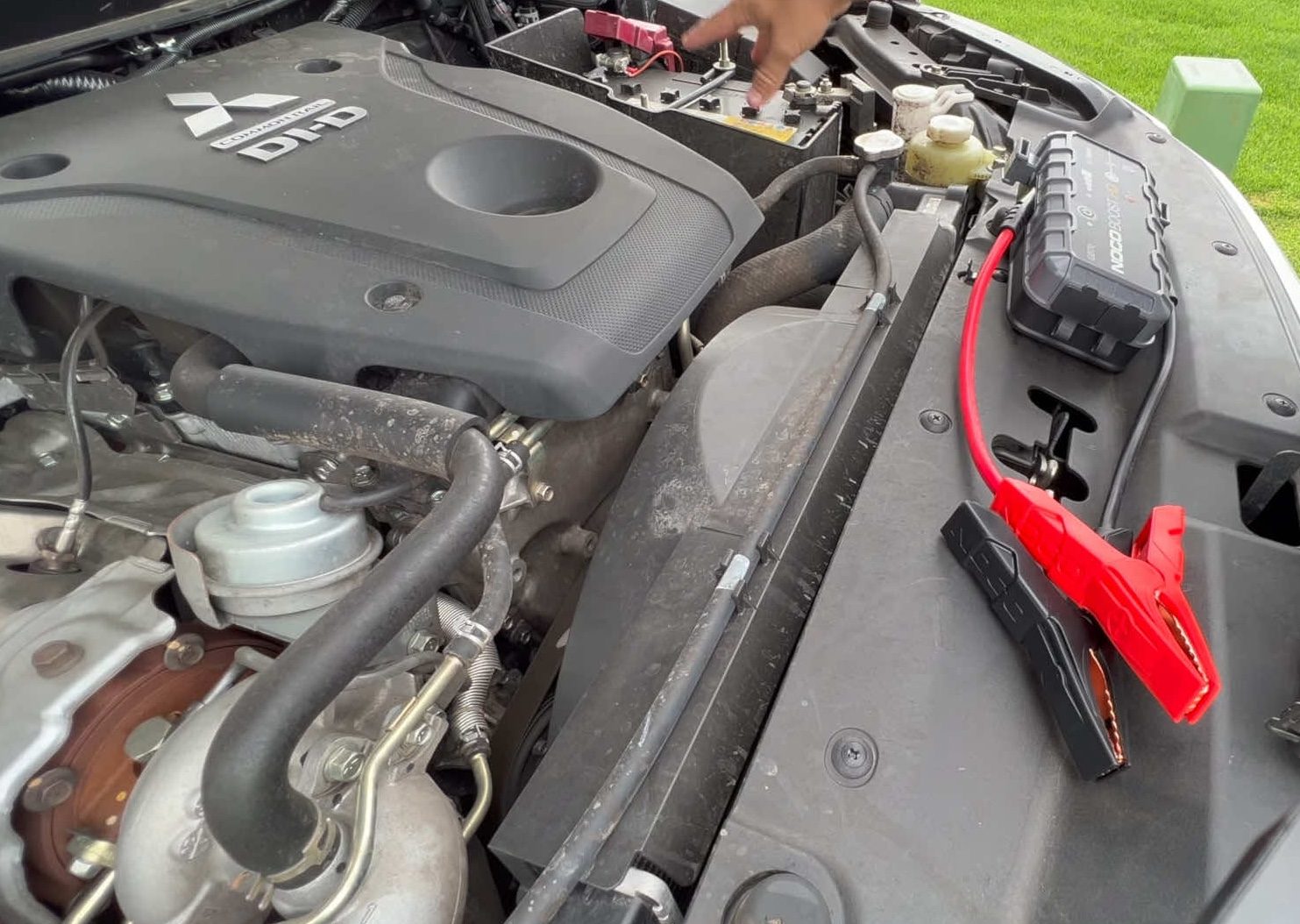
You’re renewing your insurance, or you just watched a neighbour get boosted by CAA for free while you paid $90 out of pocket last winter, and now you’re wondering whether the membership actually pencils out for someone like you. It depends entirely on how you drive - here’s the actual math instead of a sales pitch.
What CAA Membership Covers
CAA (Canadian Automobile Association) is Canada’s auto club, and membership generally covers roadside basics: towing (up to a distance limit that depends on your tier), battery boosts, lockout service, flat tire changes, and fuel delivery if you run dry. You can reach roadside help from your cell by dialing *222.
The exact mix of what’s included and how far you’re covered varies by regional club and by tier - CAA isn’t one national organization with identical benefits everywhere, it’s a federation of regional clubs, so what your Alberta membership includes can differ in the details from a membership through CAA South Central Ontario or CAA Quebec. The consistent thread across all of them is a tiered structure: a basic tier with modest towing distance, and higher tiers that extend how far you can be towed for free and add extras like trip planning, travel discounts, or home lockout service.
The Tier Concept
Most clubs structure membership something like Basic, Plus, and Premier (naming varies by club), where each step up increases your covered towing distance and adds perks. The jump between tiers is usually about how far a free tow can go before you start paying per-kilometre out of pocket - Basic might cover a short local tow, while Premier can cover a long-distance tow that would otherwise cost hundreds of dollars on its own.
Rather than quote exact numbers that vary by region, the practical question to ask when you’re comparing tiers is simple: “If my car breaks down in the worst realistic spot for me - furthest from home, or on a highway between cities - how far would this tier actually tow me for free?” That answer matters more than the list of add-on perks.
What It Actually Costs
CAA pricing isn’t uniform across the country, and quoting an exact number would be misleading - it depends on your club and tier. As a general range, membership runs roughly $70–$180 per year depending on your club and tier, with basic single-membership tiers at the lower end and premium tiers (or family add-ons) pushing toward the higher end. Get an actual quote from your regional club rather than assuming a number, since this varies enough that a wrong guess could be off by quite a bit either direction.
Break-Even Math: Membership vs. Pay-Per-Use
This is the part that actually answers “is it worth it” - compare what you’d pay a tow company directly against what a year of membership costs.
Typical Canadian pay-per-use pricing looks like this:
| Service | Typical pay-per-use cost |
|---|---|
| Battery boost | $45–$120 flat |
| Lockout | $50–$120 |
| Fuel delivery | $45–$90 |
| Local tow (light-duty) | $100–$250 total ($75–$150 hook-up + $3–$5/km) |
| Winching (simple ditch pull) | $150–$350, billed extra |
Now line that up against membership at roughly $70–$180/year. The math works out roughly like this:
- One single roadside event a year - say, one boost or one lockout - often already gets you close to break-even against a basic-tier membership, since a single flat-fee callout can run $45–$120 on its own.
- One actual tow a year, even a short local one at $100–$250, comfortably clears the cost of a year’s membership at almost any tier.
- Zero events in a typical year is where membership loses the math contest to pay-per-use - you’re paying for the option value of coverage, not for services you used.
The honest takeaway: CAA membership isn’t about guaranteeing you’ll “win” financially every year. It’s insurance against the year your car breaks down twice, or breaks down somewhere a tow would otherwise cost you $300+. If you’ve ever needed even one tow plus one boost in the same year, membership beats paying per-use.
Who Should Skip It
- Owners of newer vehicles under a manufacturer warranty that includes roadside assistance. Many new cars come with a few years of factory-backed roadside coverage bundled in - check your owner’s documentation before paying for a service you may already have for free.
- City dwellers who rarely drive far from home. If your driving is mostly short urban trips near transit and services, your realistic risk of an expensive stranded-far-from-home tow is lower, and a basic tier (or no membership at all, paying per-use if something rare happens) may make more sense.
- Drivers who already have a comparable roadside add-on through their insurance policy. Some auto insurance policies bundle roadside assistance cheaply as an add-on - check before stacking a second, redundant coverage.
Who Actually Needs It
- Drivers who regularly cover long distances - commuters between cities, road-trippers, rural drivers far from service centres - where a tow, if needed, would be expensive precisely because of distance.
- Owners of older vehicles more prone to battery, lockout, or breakdown issues, without manufacturer coverage to fall back on.
- Anyone who values not having to negotiate price or wait uncertainly during a stressful roadside moment. Membership isn’t just about the math - knowing who to call and that it’s already paid for has real value when you’re stranded.
What Membership Doesn’t Replace
Worth being clear on: a CAA membership covers breakdown roadside assistance, not what happens after a collision. If you’re in an accident, that tow is generally handled through your collision or DCPD auto insurance coverage, and you still keep the right to choose your own accident recovery destination regardless of whether you carry a membership. Membership is genuinely useful in the moment - coordinating a truck quickly and without a fresh price negotiation - but don’t confuse it with insurance, and don’t assume it stretches to cover every tow situation you might run into, like a serious winching job pulling a vehicle out of a ditch, which can still involve extra charges even for members depending on your club’s terms. Read the fine print for your specific tier before you assume “member” means “no charge, ever.”
FAQ
How much does CAA membership actually cost? It varies by regional club and tier - roughly $70–$180 per year is a reasonable general range, with basic single tiers at the lower end. Get a quote from your specific regional club for an exact number.
Is one tow a year enough to make CAA worth it? Often, yes. A single local tow can cost $100–$250 pay-per-use, which by itself can exceed or match a year’s membership at many tiers - and that’s before counting any additional boosts or lockouts in the same year.
Does CAA cover towing after a car accident? Roadside membership typically covers breakdown towing. A collision tow is usually handled differently - generally covered under your collision or DCPD auto insurance coverage rather than your roadside membership, though your membership can still be useful for coordinating help on scene.
Do new cars already come with roadside assistance? Many do, for a limited number of years under the manufacturer’s warranty. Check your owner’s package before assuming you need a separate membership - if you’re covered, that’s a strong reason to skip paying for overlapping coverage.
What’s the difference between CAA tiers? The main difference is usually the free towing distance you’re covered for, plus added perks like travel discounts at higher tiers. Exact structures vary by regional club, so compare your realistic worst-case towing distance against what each tier actually covers.
If you’re weighing membership against a one-off breakdown, run your situation through the towing cost calculator to see what pay-per-use would actually cost you. And whether or not you carry a membership, it helps to know how to find a tow truck near you before you need one - along with what battery boost and other common roadside services typically cost on their own.