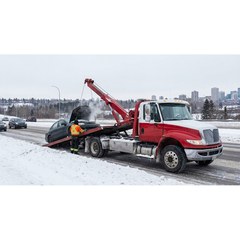
Ottawa's Highway 417 (the Queensway) carries the city end to end and is the epicentre of its collision tows. The city declares overnight winter parking bans (typically after 7+ cm forecasts) - cars left on-street during a ban get ticketed and towed so plows can work. Gatineau operators across the river frequently cover calls on both sides; bilingual dispatch is the norm here.
24/7 towing and roadside assistance across Ottawa
Ottawa's budget-friendly 24/7 towing and roadside line

Family-owned, insurance-approved towing serving Ottawa since 1999

24/7 Ottawa towing with a ten-truck fleet

24-hour towing and recovery across Ottawa and Gatineau

24-hour towing and mobile tire service in Ottawa

Ottawa towing since 2016 with a 25-plus truck fleet

Ottawa's largest towing fleet, dispatched in about 14 minutes

Ottawa towing built around the collision-to-repair-shop process

Emergency and specialty towing across Ottawa-Gatineau

Insurance-approved towing and roadside help in Ottawa South

24/7 accident and collision towing across Ottawa

Locally owned 24/7 towing across greater Ottawa

24/7 truck tire repair and towing in Ottawa

Roadside help and EV towing across Ottawa and Gatineau

TSSEA-licensed towing serving Ottawa and Gatineau

Insurance-approved collision towing across Ottawa for 8-plus years

24/7 heavy-duty truck towing and recovery in Ottawa

Light to heavy-duty towing across Ottawa, 24/7

Light and heavy-duty towing based in Long Sault, Ontario

Flat-rate light-duty towing in Ottawa

Insurance-approved accident and roadside towing in Ottawa

24/7 towing and locksmith service in Ottawa

Ottawa flatbed towing since 2012, 24/7 dispatch

24/7 towing and roadside help for Ottawa-Gatineau

24/7 towing and recovery for Ottawa and Gatineau

Local dispatch for accident and breakdown calls in South Ottawa

24/7 local towing with GPS-dispatched trucks in Ottawa

24/7 Ottawa towing with a ten-truck fleet

Ontario-wide towing from five local locations
Ontario has Canada's strictest towing rules. Since January 1, 2024, the Towing and Storage Safety and Enforcement Act (TSSEA) requires every tow operator, driver and storage yard to hold a provincial certificate. In practice that means: the operator must show you their Tow Operator Certificate number on request, get your written consent before hooking up (except police-directed tows), disclose rates before the tow, take you and your vehicle where YOU choose, accept card payment, and give you an itemized invoice. On stretches of the 400-series highways around the GTA, 'tow zones' restrict who can respond to collisions - if police are on scene, follow their direction.
Stuck on the 401, QEW or any 400-series highway: get the vehicle as far onto the shoulder as possible, hazards on, exit on the passenger side and stand well away behind the barrier. Never accept a tow from a truck that simply shows up unsolicited at a collision - under TSSEA you choose your operator and your destination, and 'accident chasers' are the main thing the law was written to stop.
Snow squalls off the Great Lakes shut down stretches of the 400, 402 and 21 corridor with little warning. Check 511 before winter travel and keep a charged phone - response times in a squall stretch from minutes to hours.
911
Any emergency, collision with injuries, or if your vehicle is a hazard to traffic
*OPP (*677)
Ontario Provincial Police from a cell phone - breakdowns and hazards on provincial highways
511
Ontario 511 - live road closures, construction and winter conditions
1-888-310-1122
OPP non-emergency line
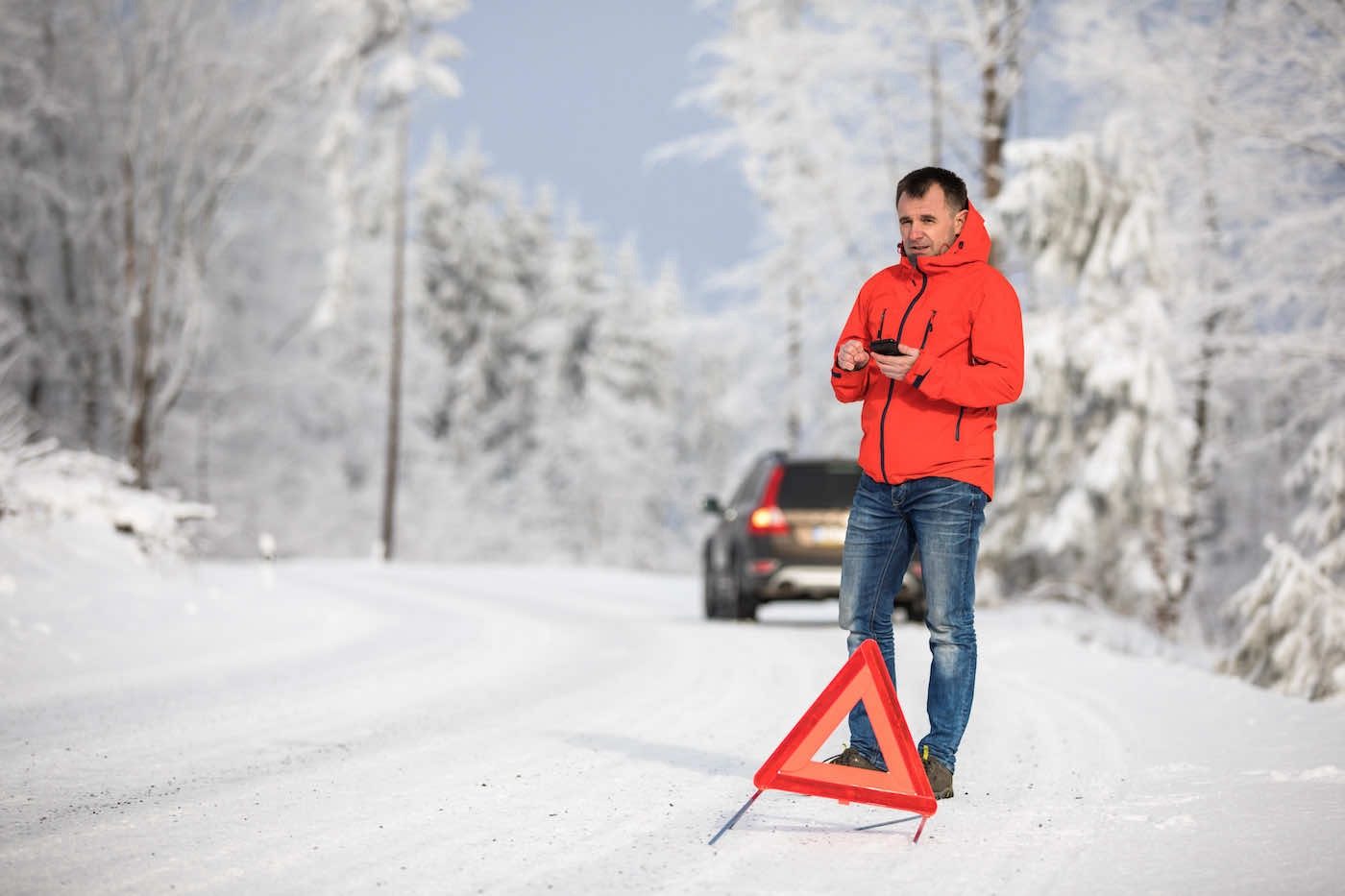
Around Ottawa, expect a typical hook-up fee of $90–$130 plus roughly $3.50–$4.75 per kilometre for a standard light-duty tow, before tax. Nights, storms, winching and heavy vehicles cost more; short in-town tows often land near the minimum. Always ask for the all-in price to your destination before the truck rolls - reputable operators quote it without hesitation. Roadside fixes (boosts, lockouts, tire changes) usually run a flat $45–$120 and are worth asking about first.
Estimate your tow


