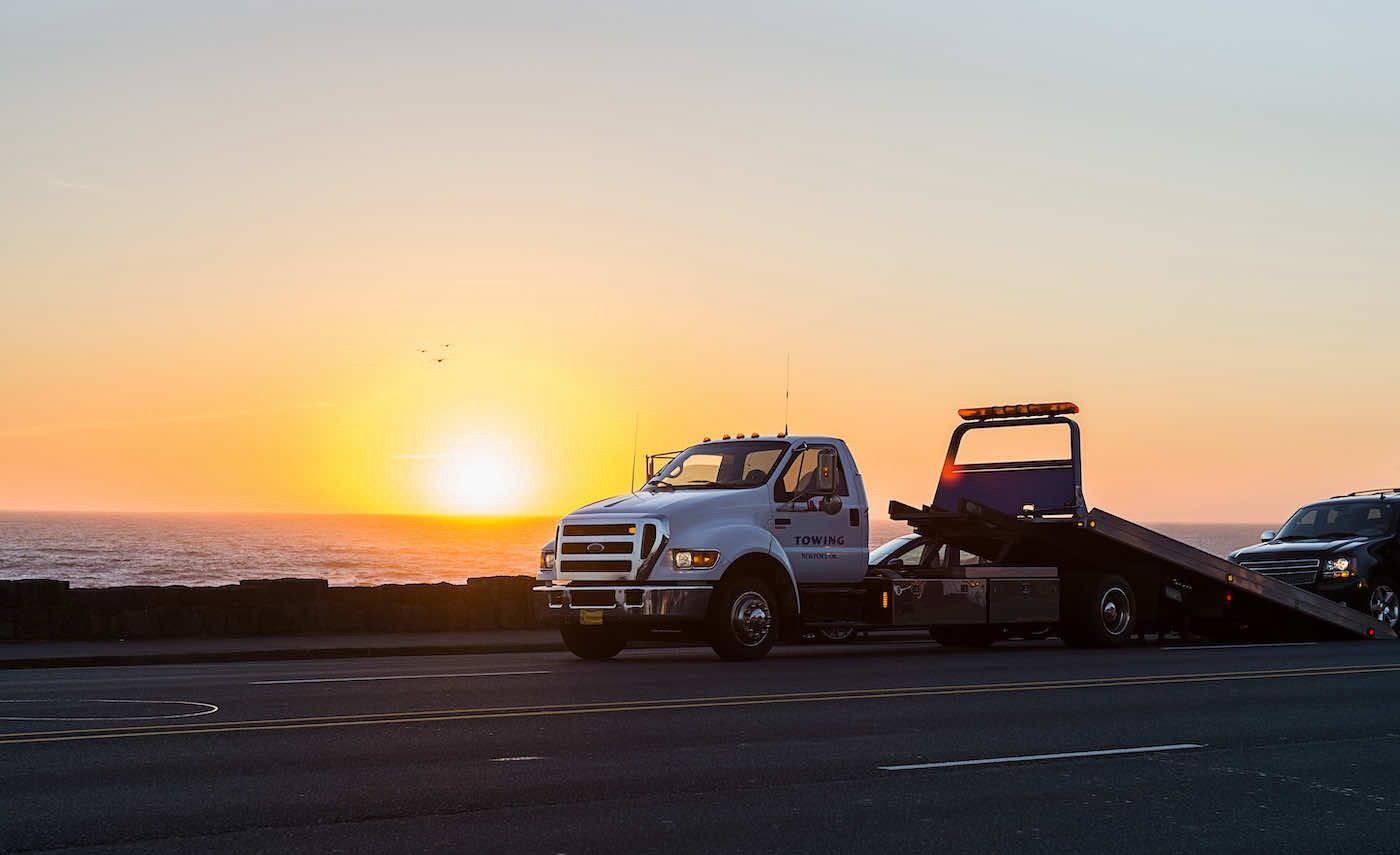
See who's nearby, who's open right now, and who runs the right truck for your vehicle - then call them directly. No call centre, no middleman, no markup.
The right tow starts with the right equipment. Compare local towing companies by what they actually run - flatbeds, wheel-lifts, heavy wreckers, rotators - and call the one built for your vehicle and your situation, the first time.
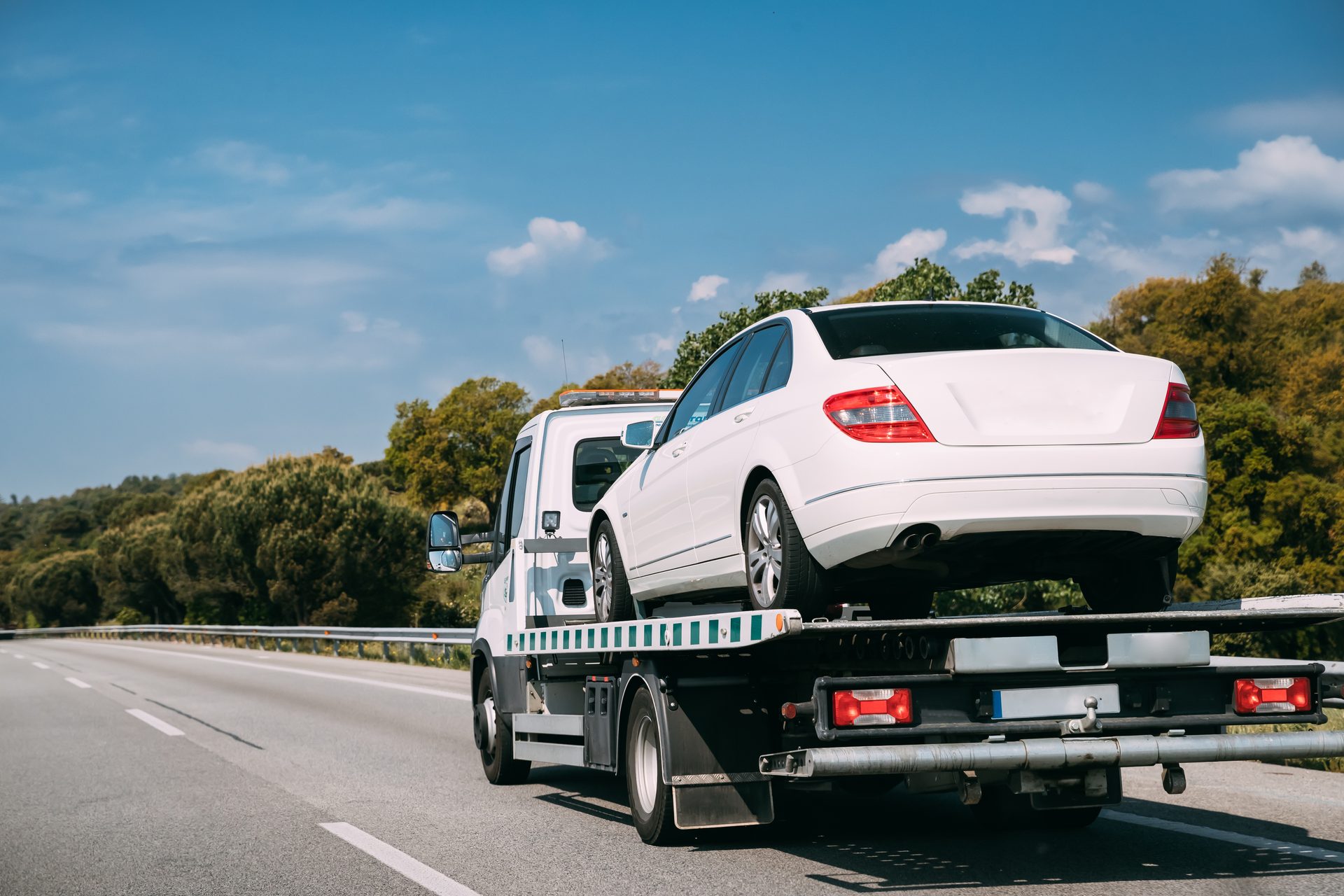
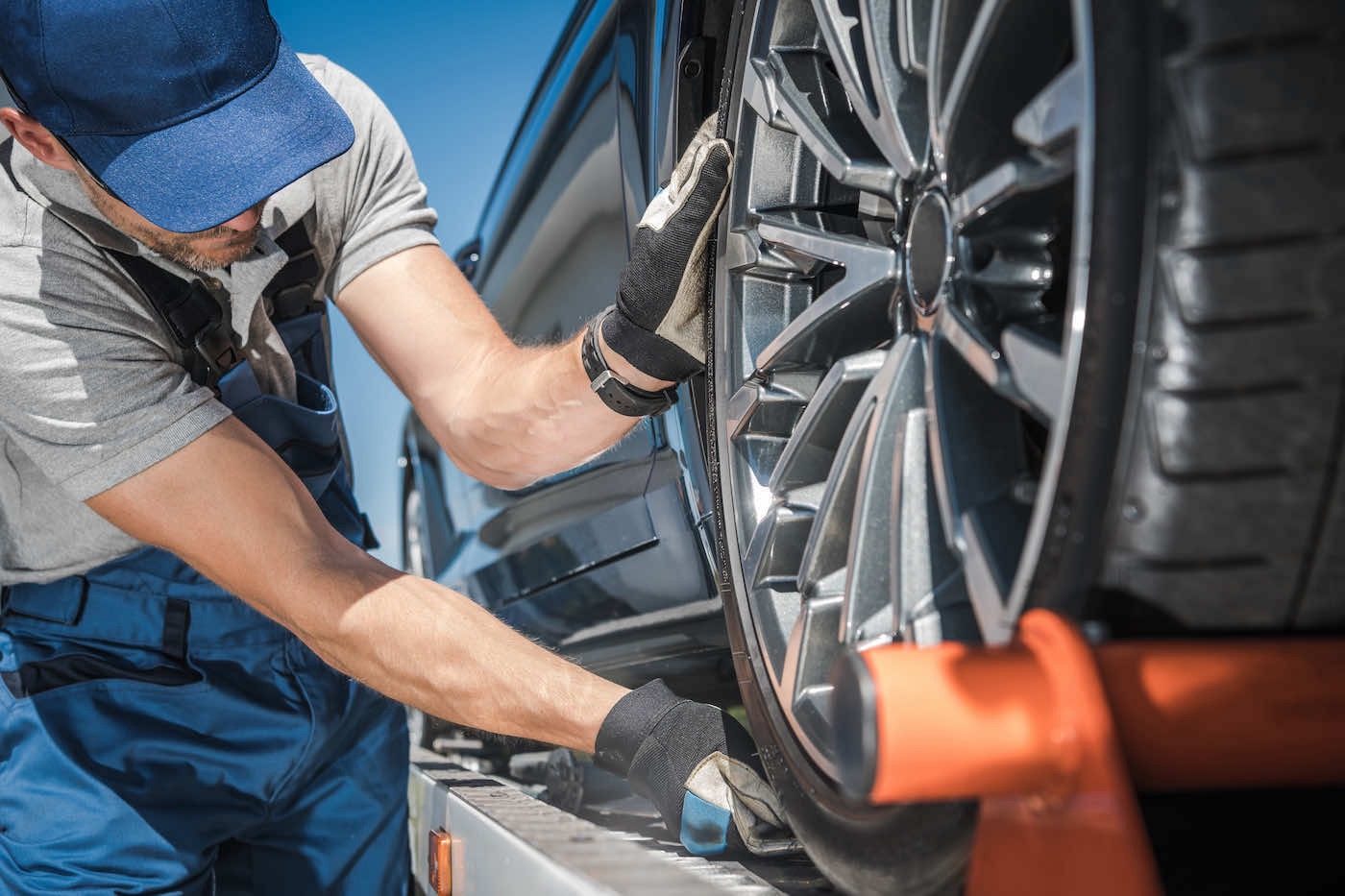
The safest ride for AWD, EVs, luxury and collision-damaged vehicles - your car travels, its wheels don't.
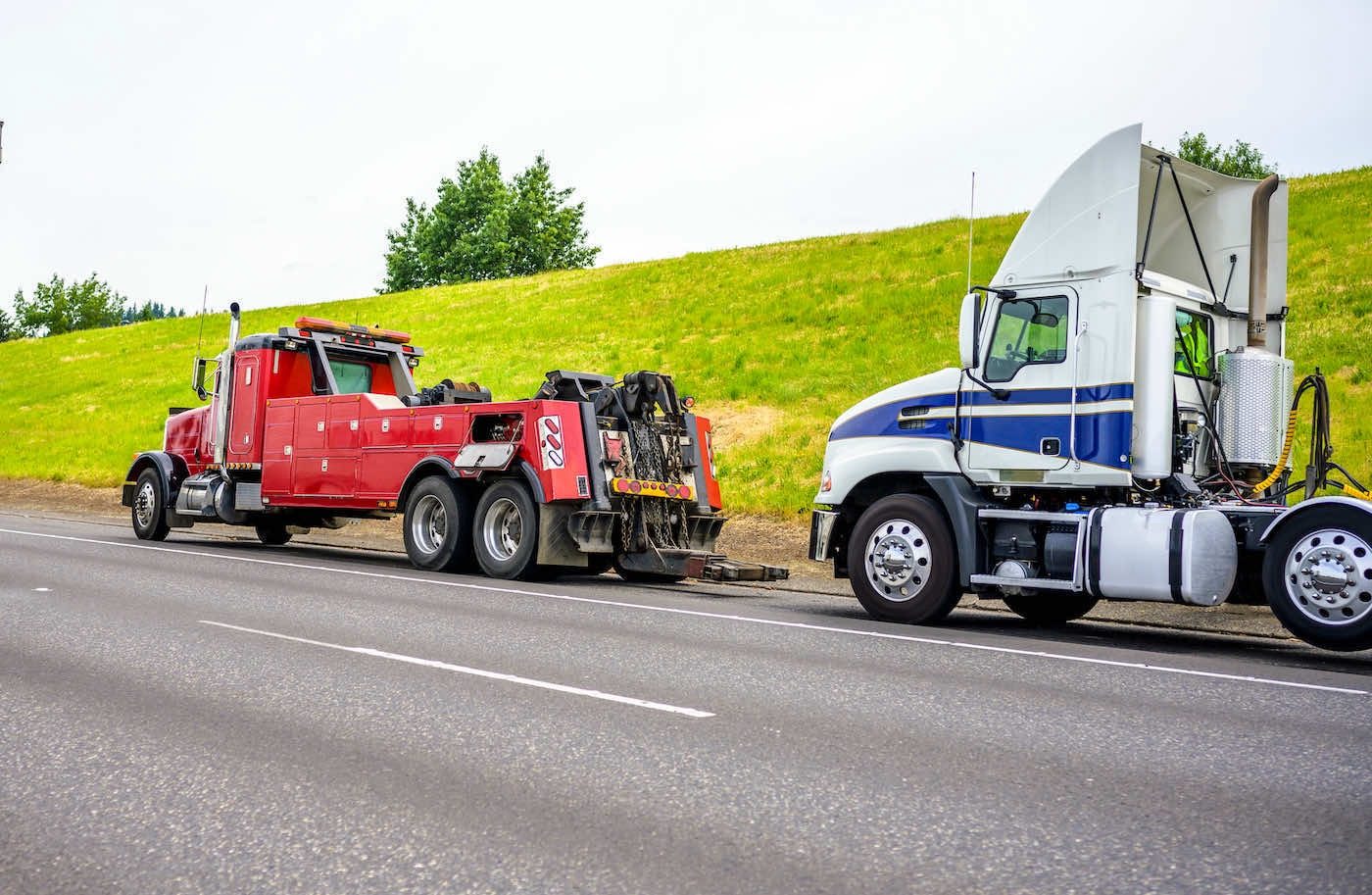
Semis, buses, RVs and equipment. Rotator and landoll operators for the jobs a pickup can't touch.
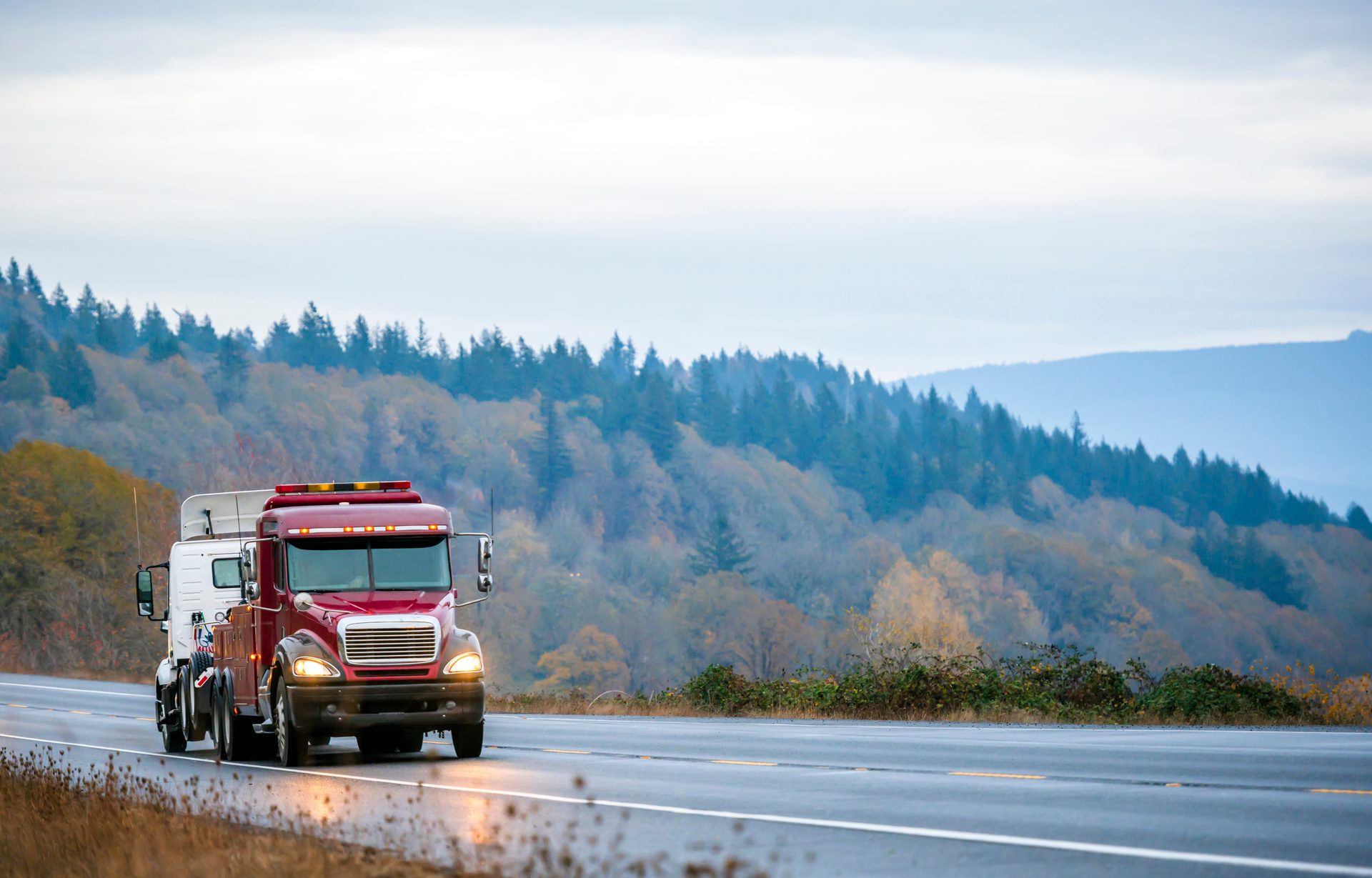
City-to-city and cross-province transport with per-kilometre rates you can compare before you book.
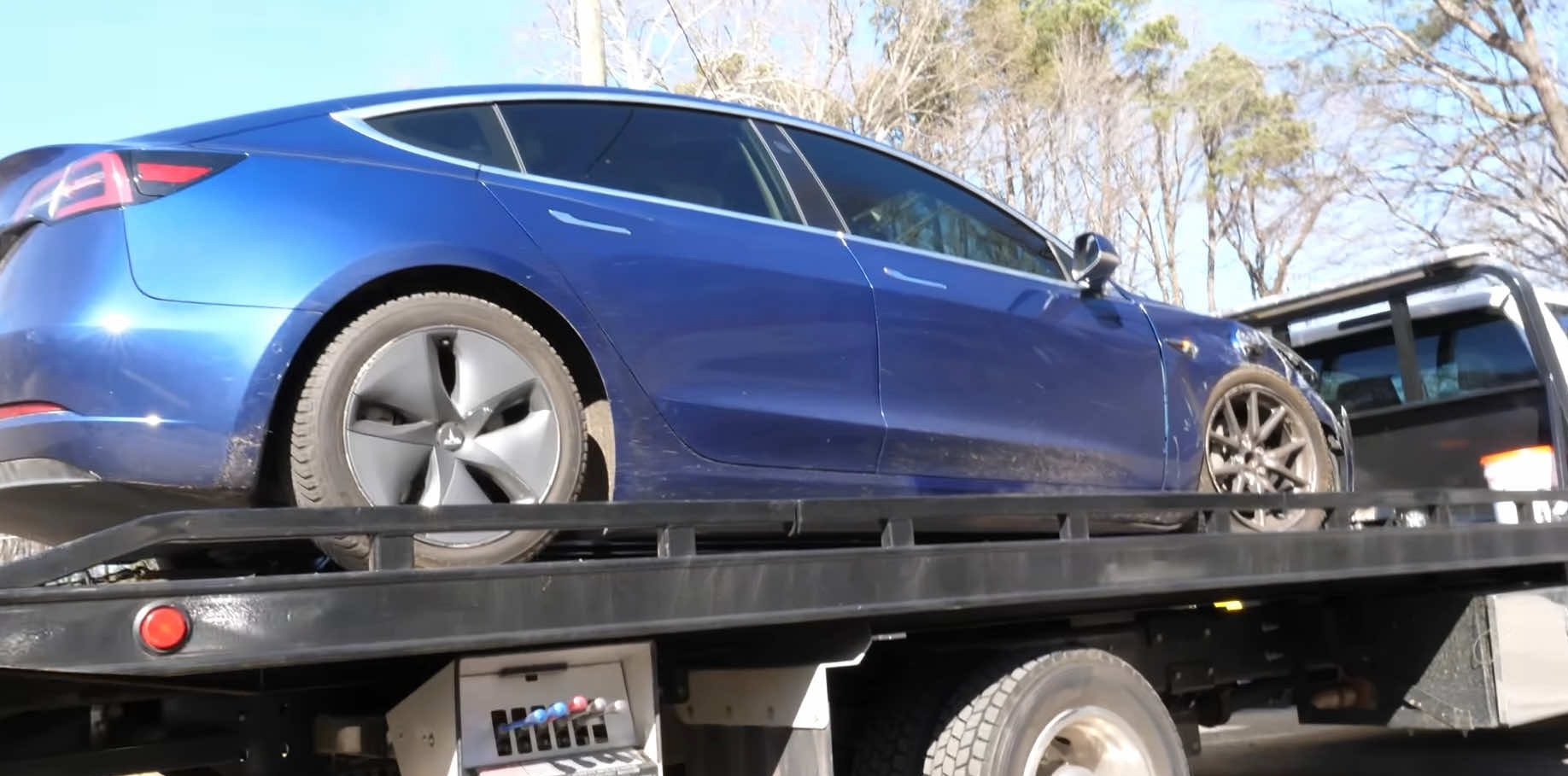
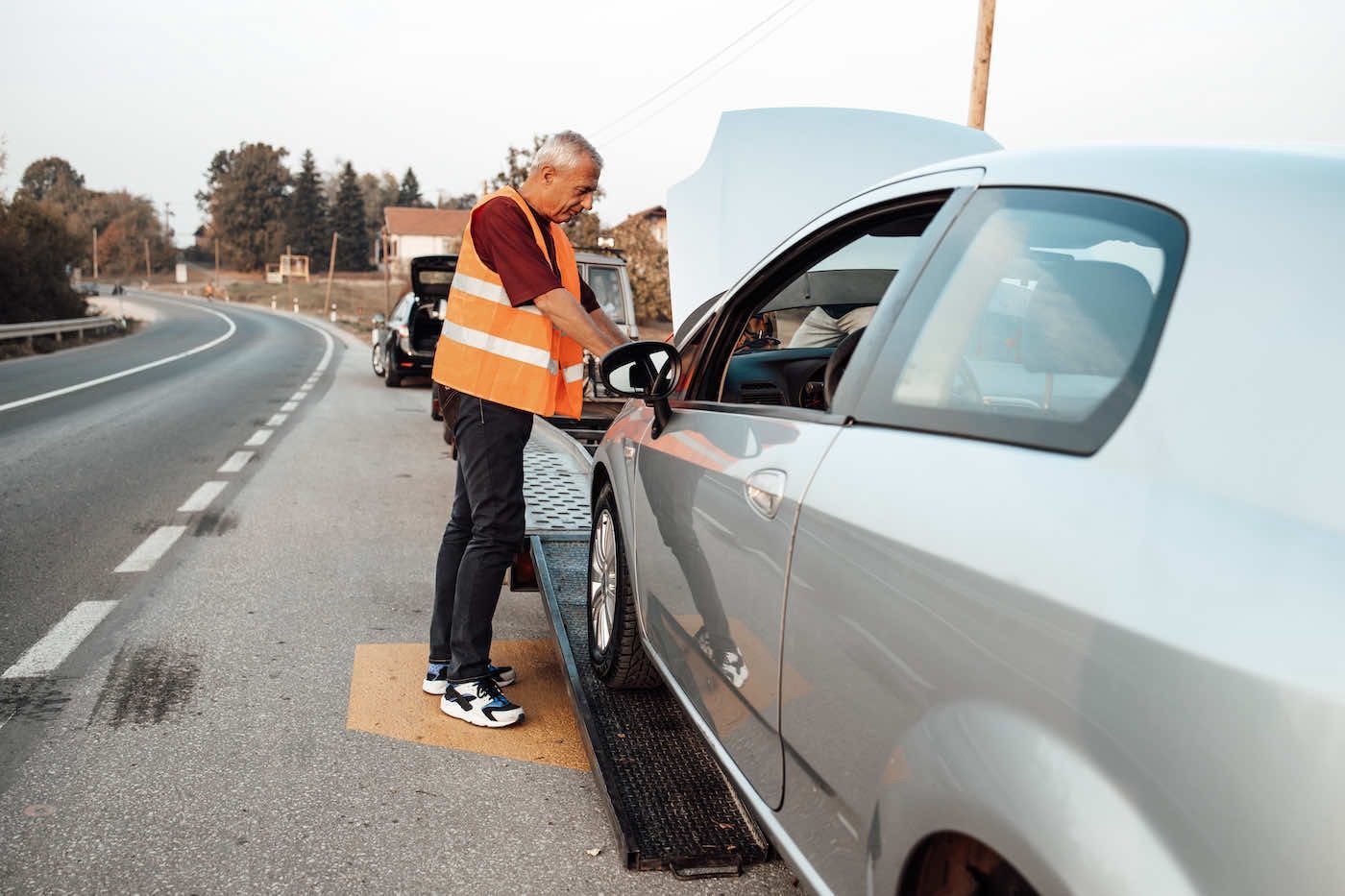
Post-collision towing, scene clearing and insurance-compatible paperwork - know your rights before the tow.
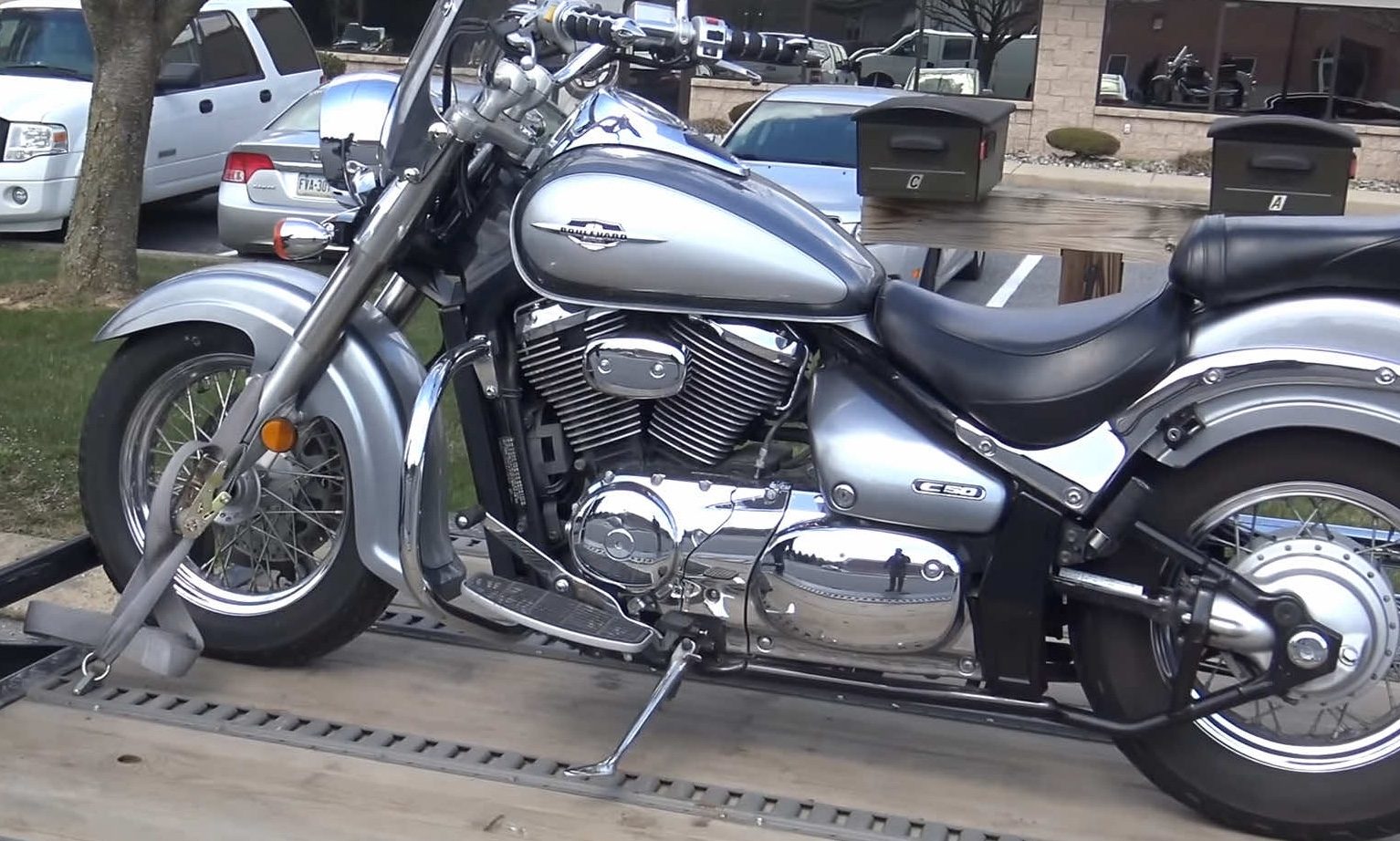
Wheel chocks, soft straps and operators who know a dropped bike is not just another load.
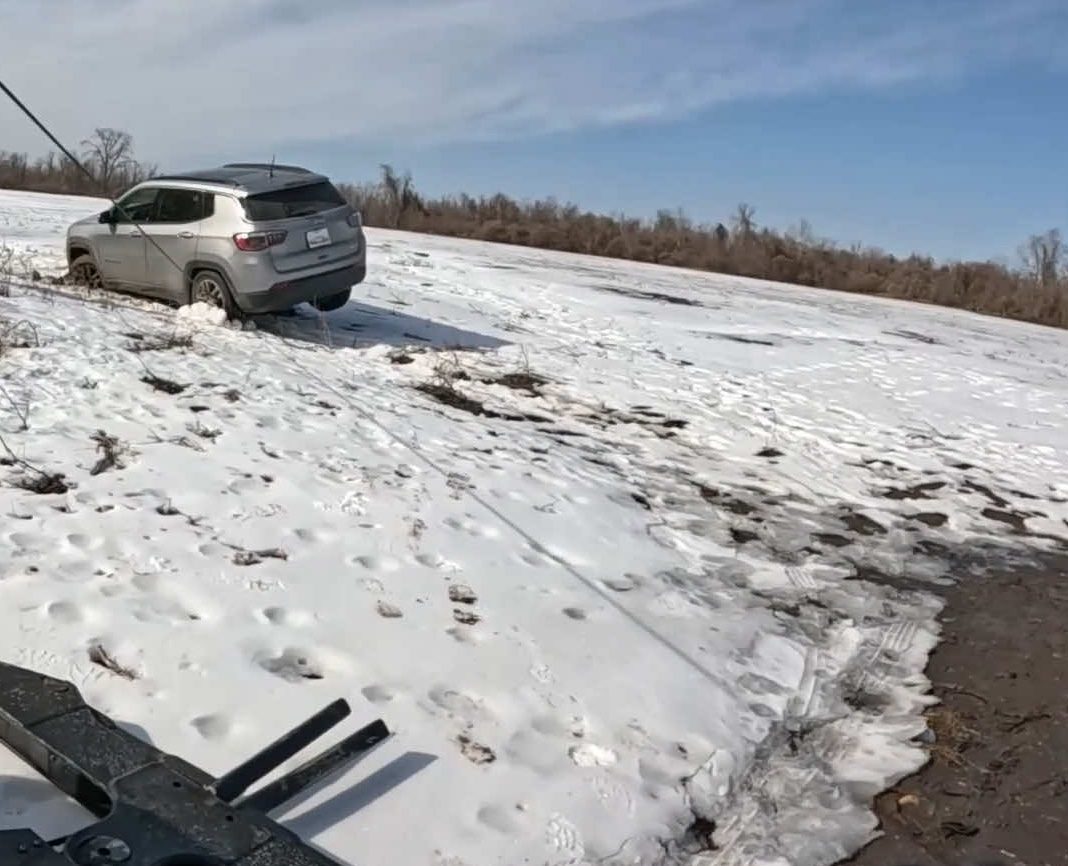
Ditches, snowbanks, mud and soft shoulders - recovery specialists who pull you back to pavement.
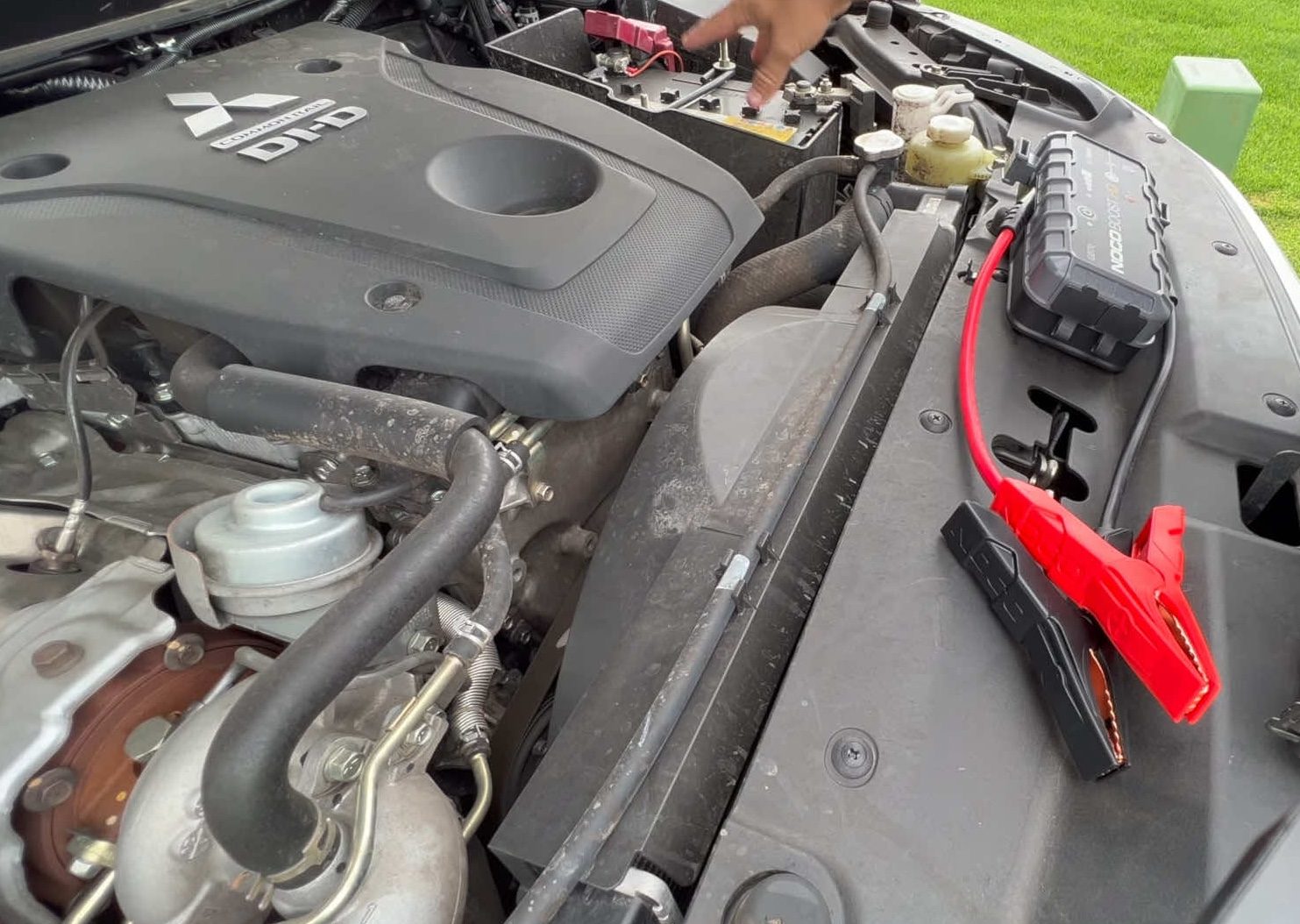
A dead battery, a flat, keys dangling in the ignition, an empty tank ten minutes from home - these are 20-minute fixes for a mobile roadside unit, and they cost a fraction of a tow. Hundreds of the companies listed here run dedicated roadside fleets alongside their trucks.
Before you assume the worst, check the company's profile: if it lists battery boosts, tire changes, lockouts or fuel delivery, ask for the roadside rate first. A boost that gets you to work beats a tow to a shop that finds nothing wrong.
Pick your province and city to see the operators who actually cover your roads - including the small-town one-truck outfits the big apps never list.
Pick your province and city, or jump straight to the service you need. Companies are ranked by rating and review depth, with 24/7 operators flagged.
Profiles are built from each operator's own published information: equipment, coverage area, hours, and what they actually specialize in, so you know before you call.
We're a directory, not a dispatcher. No call centre in the middle, no referral markup: the number on the page rings the company's own line.
Towing in Canada is typically a hook-up fee plus a per-kilometre rate, and both vary by province, vehicle and time of day. This estimator uses typical published ranges so you can sanity-check a quote before you say yes - especially after an accident, when you're in no state to haggle.
Rule of thumb: a local daytime tow for a sedan runs $100–$250 in most Canadian cities. Long distance, heavy vehicles, winching and 2 a.m. calls cost more - and impound release fees are a different animal entirely.
Open the full estimatorA sample of the companies drivers rate highest across the country.
Remorquage et transport spécialisé dans la grande région de Montréal
Ontario-wide towing from five local locations
Calgary towing since 1982, light-duty to heavy-duty
Ontario's largest towing fleet, on duty since 1984
Eight-truck flatbed fleet serving Surrey and the Lower Mainland
Remorquage lourd et léger 24/7 dans la région de Saint-Hyacinthe
Get Towing puts your company in front of drivers at the exact moment they need a truck - on a page about your city, your services, your coverage area. Claim your free listing, or go featured and take the top spot.
List your business Claim an existing listingTowing is regulated province by province, and the rules protect you more than most drivers realize. Our guides cover what a tow should cost, what an operator must show you, and how to get through a Canadian winter without meeting one.
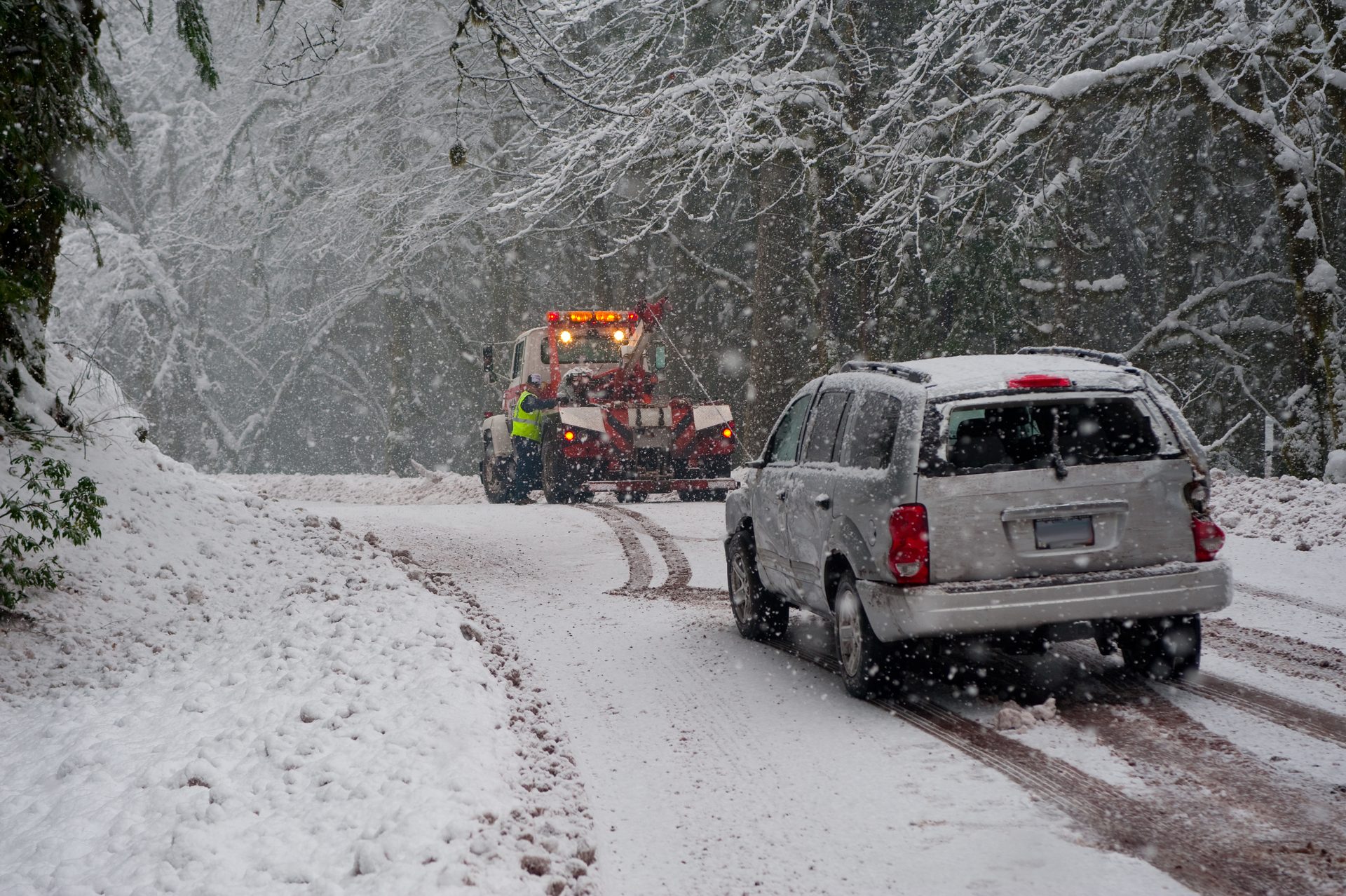
The trunk kit every Canadian needs, winter tire laws by province, and what to do when you slide off.
Province-by-province costs, impound fees, private property rules, and the red flags of a towing scam.
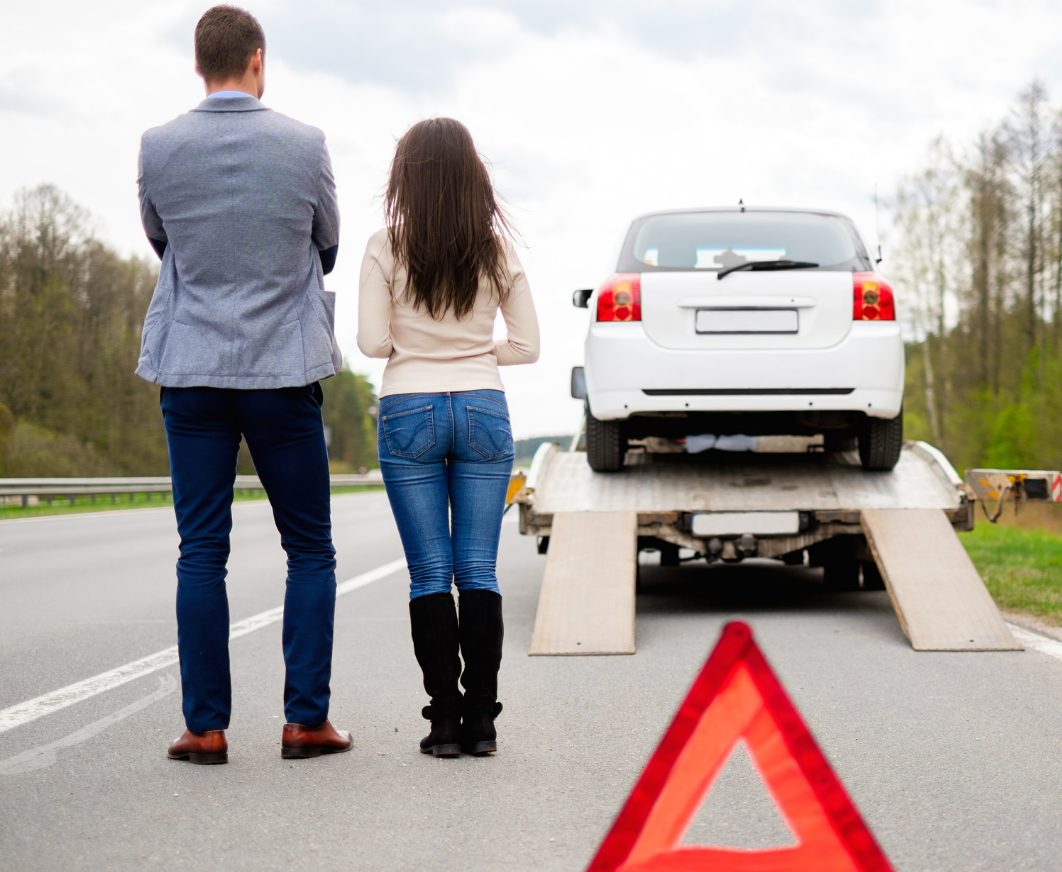
Who pays for the tow after a crash, how fault is decided in Canada, and when to claim vs. pay cash.
Most local tows for a car or SUV run $100–$250: a hook-up fee (typically $75–$125) plus a per-kilometre rate ($3–$5). Heavy vehicles, winching, storms and after-hours calls cost more. Ontario now requires tow operators to publish maximum rates - always ask for the total before the truck is dispatched.
Usually, yes. Apps and call centres add referral fees. Every number on Get Towing rings the company's own dispatch - you pay their rate, not their rate plus a middleman.
After an accident, towing from the scene is generally covered under your collision or DCPD claim. Breakdown towing is only covered if you added roadside assistance to your policy or carry a plan like CAA. Keep every receipt either way.
From private property (a plaza, a condo lot) - yes, if signage meets provincial rules. From a public street, only police or bylaw can order it. If your car vanishes, call local non-emergency police before assuming theft; they log all authorized tows.
A flatbed carries the whole vehicle on a deck - required for AWD vehicles and most EVs. A wheel-lift tows with two wheels rolling on the road: faster and often cheaper, but only for the right drivetrain. When in doubt, say what you drive and let the dispatcher choose.
In cities, 30–60 minutes is typical; 24/7 operators flagged on our listings often quote 30 or less. In storms, expect multiples of that - which is why the winter guides exist.
Pick your province, pick your city, and call the top-rated 24/7 operator on the page. That's the whole process.
Find a tow truck now