
You’re standing next to a dead car, phone in hand, about to call a tow truck - and the one question nobody answers up front is what it’s actually going to cost. Towing prices in Canada aren’t set by a single national rulebook, but the pricing structure is consistent enough that you can walk into the call knowing roughly what to expect and where the traps are.
How Tow Truck Pricing Actually Works
Almost every light-duty tow in Canada is priced the same basic way: a flat hook-up fee, plus a per-kilometre rate for the distance towed.
- Hook-up fee: typically $75–$150, charged just for the truck showing up and connecting to your vehicle, regardless of distance.
- Per-kilometre rate: typically $3–$5/km after that, based on the distance from pickup to drop-off.
Put together, a short local tow - a few kilometres to the nearest shop - commonly lands in the $100–$250 total range. A longer haul across town or between municipalities scales up from there simply because of the per-km math. Always ask for the hook-up fee and per-km rate separately before the truck leaves the lot; a company that won’t quote both numbers is a company you should be cautious about.
Typical Ranges: Other Common Services
Towing isn’t the only roadside call that comes with a price tag. Here’s what else typically runs, based on common published ranges across Canadian operators:
| Service | Typical Range |
|---|---|
| Local tow (hook-up + short distance) | $100–$250 |
| Battery boost | $45–$120 flat |
| Lockout (keys locked in car) | $50–$120 |
| Fuel delivery | $45–$90 |
| Winching (simple ditch pull) | $150–$350 |
| Heavy-duty towing (trucks, RVs, buses) | hundreds to thousands, quoted per job |
These are typical published ranges, not fixed prices - always confirm the actual quote with the operator dispatched to you before they hook up.
What Pushes the Price Higher
A few common factors push a tow bill above the baseline range:
Time of day. After-hours, overnight, and weekend calls commonly carry a premium. A 2 a.m. tow costs more than the same tow at 2 p.m. - it’s the nature of paying for a driver on call outside business hours.
Winching. If your vehicle is in a ditch, snowbank, or otherwise not sitting on a drivable surface, winching gets billed as an extra service on top of the tow itself, commonly $150–$350 for a straightforward pull. A more complicated recovery - steep embankment, deep mud, vehicle on its side - costs more.
Heavy-duty equipment. Pickup trucks, cube vans, RVs, and anything beyond a standard passenger vehicle need heavier equipment and a differently licensed driver, and pricing reflects that - from several hundred dollars into the thousands depending on size and complexity.
Storms and high-demand periods. When a snowstorm or major weather event has half the province stuck at once, expect longer wait times and after-hours-style premiums to be common, since every truck in the region is working flat out.
Distance. The per-km rate is exactly that - a rate. A tow across a city costs meaningfully more than one down the block, and a tow between cities or provinces is its own pricing conversation entirely; ask for a firm quote before agreeing to a long-distance move.
A Rough Look by Region
Towing isn’t priced provincially the way, say, insurance premiums are - there’s no government rate card. But local market conditions do shift what’s typical. In dense urban centres like Toronto, Vancouver, and Montreal, traffic congestion and higher operating costs tend to push both the hook-up fee and the per-km rate toward the upper end of the national ranges above. In smaller cities and rural areas, base rates can sit closer to the lower end, though a long tow to the nearest full-service shop can offset that if you’re far from town. Northern and remote communities are the exception that proves the rule - sparse coverage and long distances between towns mean towing costs there can run well above typical urban ranges, simply because of how far a truck has to travel either way. Treat any regional figure you see, including the ones here, as a typical published range, not a quote - always confirm the actual price with the operator dispatched to you.
The Impound and Storage Trap
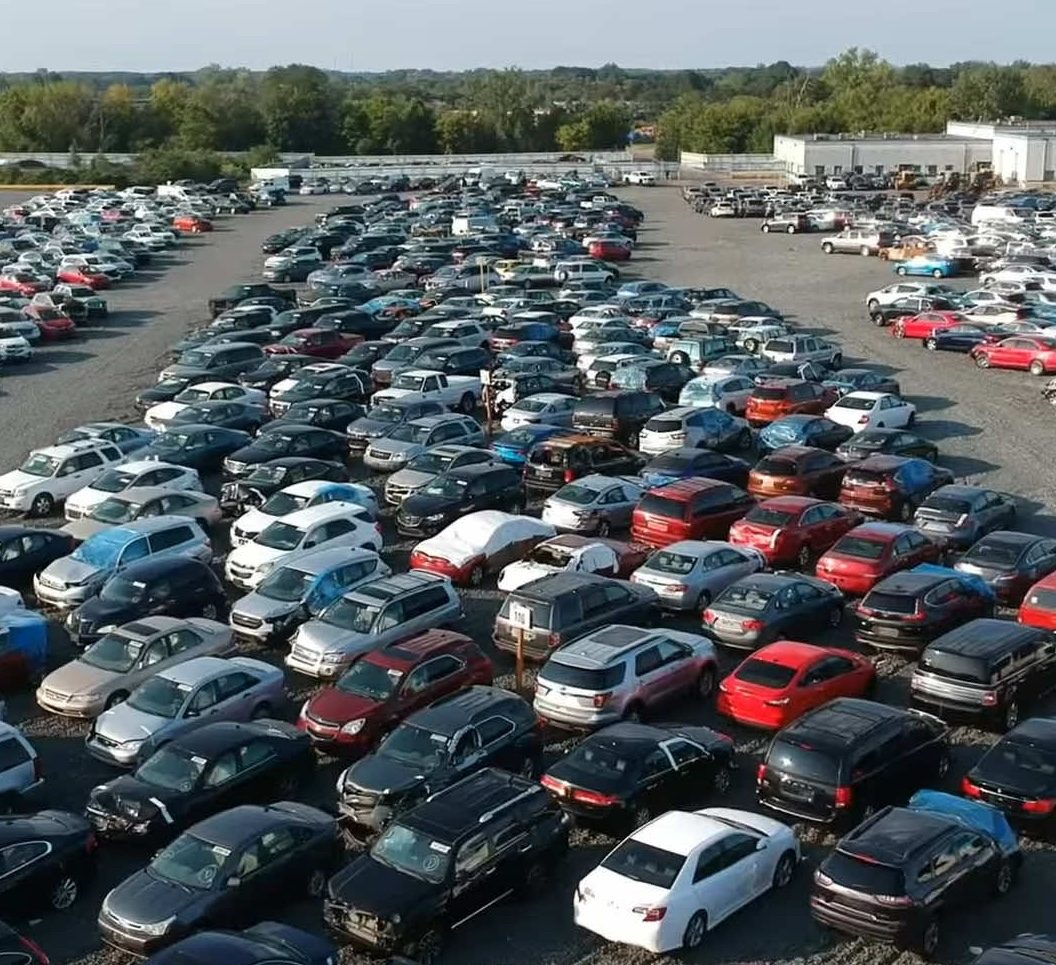
If your car gets towed to an impound or storage yard - after an accident, a parking violation, or a police-directed tow - the per-day storage fee is where costs can balloon fastest. These fees vary by province and even by yard, and they start accumulating the moment your vehicle arrives, often with no cap in sight if you don’t retrieve it promptly. Ask the yard directly what the daily rate is and how payment works before you let time pass. If you weren’t the one who chose the tow destination - say, police directed it - you’re still on the hook for asking these questions early. Don’t assume a few days won’t matter; storage fees compound quickly and can end up costing more than the tow itself.
Get a Number Before You Need One
The best time to understand towing costs is before you’re standing on the shoulder with a dead alternator. Our towing cost calculator lets you plug in your situation - distance, service type, time of day - and get a realistic estimate so you’re not caught off guard by the invoice. It’s also worth bookmarking a shortlist of towing companies near you in your home area and along routes you drive often, so you’re calling someone you’ve already vetted rather than the first name that pops up in a panic search.
If your vehicle needs a flatbed rather than a standard hook - common for AWD and EVs - expect the quote to reflect that; see flatbed towing for how that pricing differs. And if a breakdown turns out to be something simpler, like a dead battery, a battery boost is a fraction of the cost of a full tow.
FAQ
Is there a standard towing rate across Canada? No - there’s no single national rate. But the structure is consistent nationwide: a flat hook-up fee (typically $75–$150) plus a per-km charge (typically $3–$5/km), so you can estimate costs even without a fixed price list.
Why did my tow cost more than I expected? The most common reasons are after-hours timing, winching from a ditch or snowbank, longer-than-expected distance, or heavy-duty equipment for a larger vehicle. Ask for an itemized invoice so you can see exactly what was charged.
Does insurance cover the cost of towing? It depends on the situation. A tow after an accident is generally covered under your collision or DCPD coverage. A breakdown tow is only covered if you have a roadside assistance add-on or a club membership like CAA - see our insurance and towing guide for the full breakdown.
How much does impound storage cost per day? It varies by province and by yard, so there’s no single number to quote. Call the yard directly and ask for the daily rate the moment you know your car is there - costs add up fast the longer it sits.
Can I negotiate a tow price on the spot? Not usually in the moment, but you can and should ask for the price before the hook-up happens, and you’re generally entitled to choose your own destination rather than accept the first suggestion - especially after an accident.
Want a realistic number before you call? Try the towing cost calculator, or find a tow truck near you so you already know who to call when the time comes.