
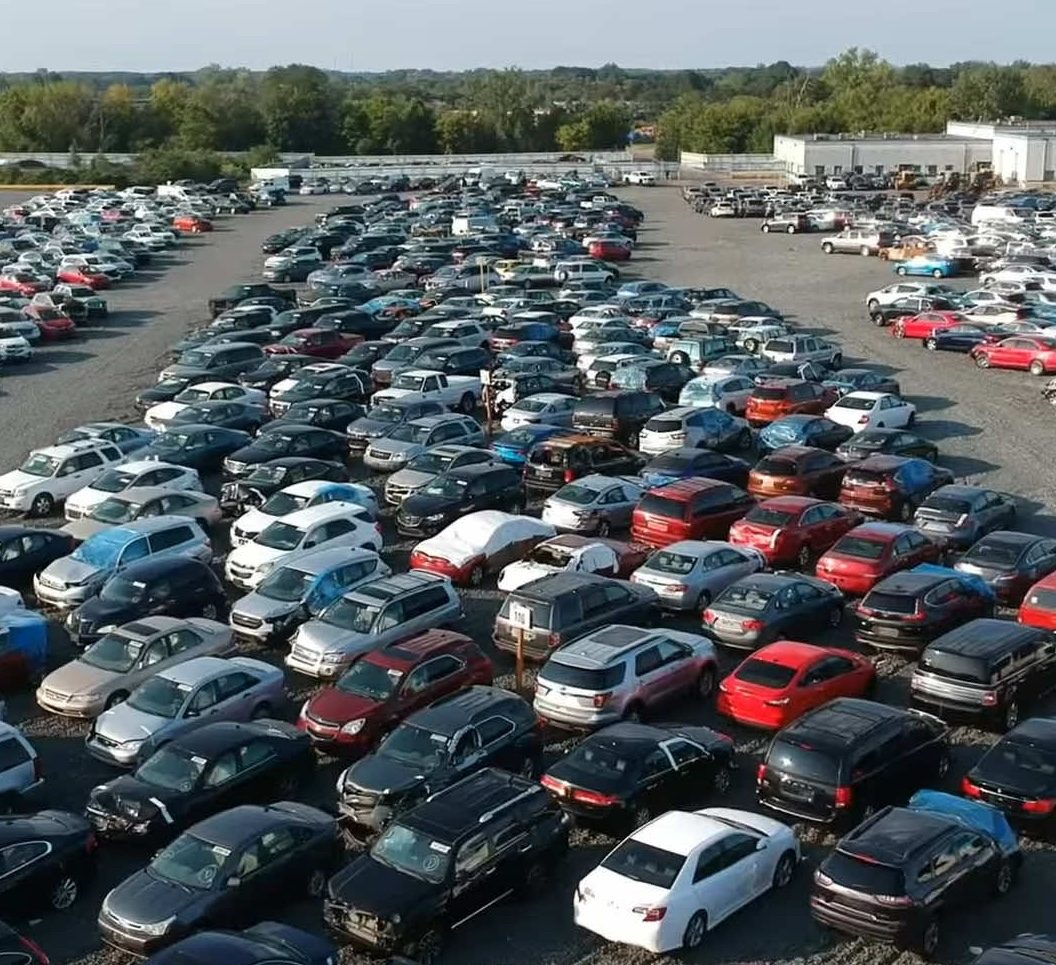
You’ve just found out your car isn’t where you left it, and someone on the phone is telling you it’s been impounded. Before you panic about what you did wrong, it helps to understand what’s actually happening - because the process, the fees, and your options depend a lot on why the vehicle was taken and which province you’re in.
Why Cars Get Impounded
Impoundment isn’t one single thing - it’s a catch-all term for several different situations, each with its own trigger:
- Police-directed tows. After a serious collision, a suspected impaired-driving stop, a stunt-driving charge, or a vehicle deemed unsafe or unlicensed to be on the road, police can direct that a vehicle be towed and held. This is separate from a driver’s own choice to call a tow.
- Parking and bylaw violations. Blocking a fire route, overstaying in a restricted zone, parking on a snow route during a ban, or sitting on private property without authorization can all trigger a tow to an impound or storage yard.
- Abandoned vehicles. A car left too long in one spot - on a street, in a lot, at the roadside after a breakdown nobody came back for - can be classified as abandoned and towed.
- Accident-related tows to a storage yard. After a collision, if you can’t immediately arrange your own tow destination, the responding tow operator may take the vehicle to a storage yard by default, where it then starts accumulating fees until someone claims it.
Whatever the trigger, the practical outcome is the same: your car is somewhere you didn’t choose, and you need to get it back.
How the Release Process Works
Getting a vehicle out of impound or storage generally follows the same rough shape everywhere in Canada, even though the specific paperwork and hours vary by yard and municipality:
- Find out where it is. If police directed the tow, they’ll typically tell you which yard it went to. If you’re not sure, ask whoever gave you the news - dispatcher, officer, or the tow company itself - for the exact facility name and address.
- Confirm what you need to bring. Most yards want proof of ownership or that you’re an authorized driver (registration, insurance, ID), and in some cases proof the vehicle is insured and roadworthy before it can leave, especially after a police-directed impound.
- Ask about outstanding fees before you go. Towing charges, storage charges, and sometimes administrative fees can all be part of the total. Ask for the breakdown over the phone if you can, so you’re not caught flat-footed at the counter.
- Pay and retrieve. Once fees are settled and paperwork checks out, the yard releases the vehicle. If it’s not driveable, you’ll need to arrange your own flatbed towing or wheel-lift tow to get it home or to a shop.
If the vehicle was impounded as part of a criminal or provincial offence process (like a stunt-driving or impaired-driving hold), there may be a mandatory minimum holding period set by the enforcing authority before release is even possible - that’s a legal hold separate from the storage yard’s own paperwork, and it’s worth confirming directly with police or the courts rather than assuming the yard can simply hand the keys over once you show up.
The Storage Fee Trap - Why Every Day Matters
This is the part that catches people off guard hardest: storage fees accrue per day, starting from the moment the vehicle arrives at the yard, and they generally keep accumulating until you retrieve it. A vehicle that sits for a week because you were untangling insurance paperwork, waiting on a police report, or simply didn’t know where it was can rack up a storage bill that rivals or exceeds the cost of the tow itself.
The exact per-day rate varies by province and even by individual yard - there’s no single number to quote here, so don’t take any figure you see online as gospel for your situation. What you should do instead:
- Call the yard directly, the same day you learn your car is there, and ask for the current daily storage rate in writing or by text if possible.
- Don’t assume a grace period exists. Some yards start billing from hour one.
- Retrieve the vehicle as soon as you’re legally and practically able to. Every day of delay is a day of additional charges, and there’s rarely a cap.
- If money is genuinely tight, get the fee schedule anyway - knowing exactly what you owe and how fast it’s growing helps you make a faster decision than guessing.
Storage and Impound Rules Vary by Province - Don’t Assume
There’s no single national rulebook governing impound lot operations, redemption fees, or timelines across Canada. Ontario’s TSSEA regulates storage-yard certification and some consumer protections for towing, but day-to-day impound procedures - hours, accepted payment, exact fee structures - still vary by municipality and yard. In provinces without a dedicated towing statute, like Alberta, municipal impound systems (Calgary and Edmonton run their own, for example) set their own rules entirely. The safest approach anywhere in Canada is the same: confirm current local rules directly with the yard or municipality holding your vehicle rather than relying on a general guide, because fee schedules and procedures do change and vary by location.
Your Rights Along the Way
Regardless of why your car ended up impounded, a few protections and good practices apply broadly:
- Ask for an itemized invoice. You’re entitled to see exactly what you’re being charged for - towing, storage per day, administrative fees - rather than accepting a single lump total.
- Photograph the vehicle’s condition when you retrieve it. If anything looks different from when it was taken - new damage, missing items - you want a record immediately, not a memory a week later.
- Keep every receipt. If the impound followed an accident, your towing and storage receipts may be reimbursable as part of a collision insurance claim - see our guide on who pays towing after an accident for how that works.
- If you believe the tow itself was improper - no signage on private property, no legal basis for the impound - that’s a separate dispute from the storage fees themselves, and it’s worth raising with the operator or municipality directly.
FAQ
How do I find out where my car was towed to? Ask whoever informed you of the tow - police, a parking authority, or the property owner - for the exact yard name and address. If you’re unsure who towed it, your local police non-emergency line can often confirm whether they have a record of it.
How much will storage cost me? It varies by province and by yard, with no fixed national rate - call the yard directly and ask for the current daily rate as soon as you know your car is there, since fees generally start accruing immediately and keep growing the longer it sits.
Can I get my car back the same day it’s impounded? Often yes, if you have the required documents and can pay outstanding fees - but police-directed impounds tied to certain offences may have a mandatory minimum holding period regardless of what you’re able to pay, so confirm directly with the enforcing authority.
What if I think my car was impounded unfairly? Document everything - photos, paperwork, timeline - and raise the dispute with the towing company, the property owner, or the municipality separately from paying to retrieve your vehicle. Getting your car back and disputing the underlying tow are two different processes; see our guide on how to dispute a towing invoice for the invoice side of it.
Does insurance cover impound and storage fees? If the impound followed a collision, towing and storage costs are often covered as part of a collision claim - check with your insurer and keep every receipt. Breakdown- or violation-related impounds generally aren’t an insurance matter at all.
Whether you’re dealing with an impound right now or just want to be prepared, knowing where to find a tow truck near you ahead of time - and understanding realistic costs through the towing cost calculator - puts you in a much stronger position than figuring it all out under pressure.