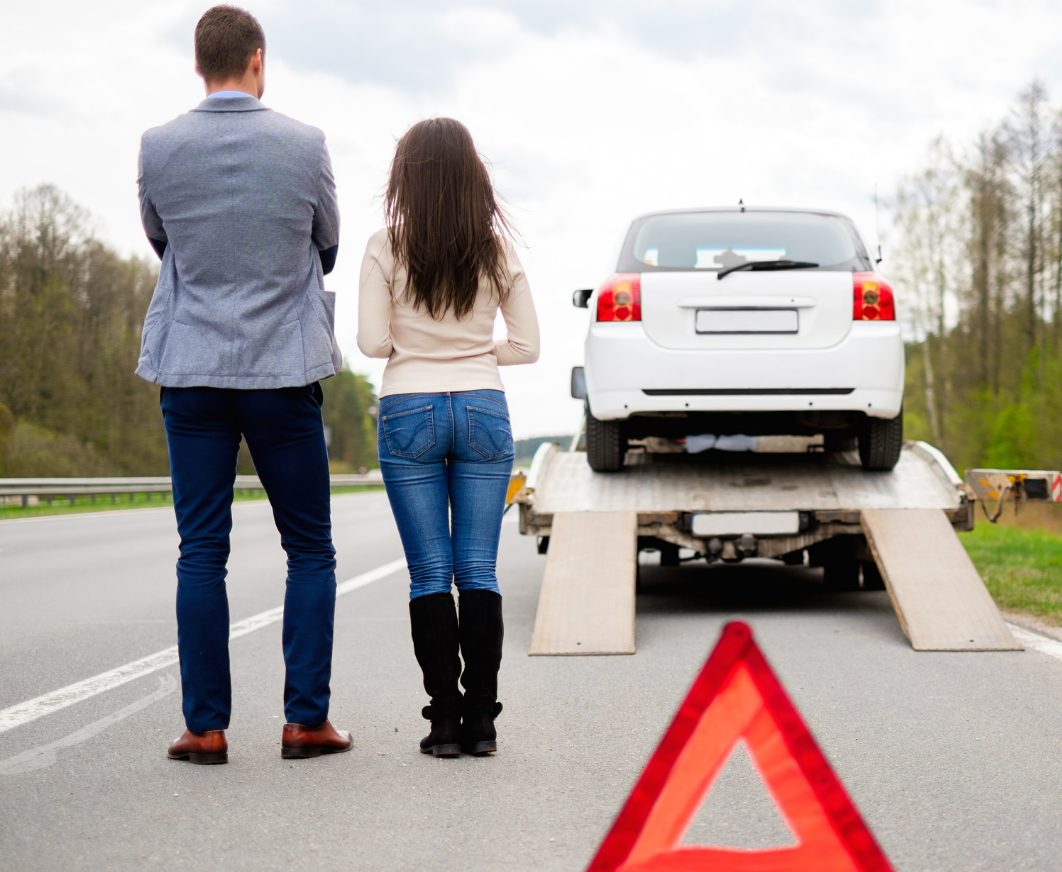
You’ve just been in an accident, the adrenaline is fading, and now there’s a claim to file - a process most drivers only deal with once every few years, if that, which is exactly why it feels confusing every single time. The steps themselves aren’t complicated. What trips people up is doing them in the wrong order or skipping one that seemed optional. Here’s the sequence that keeps a claim moving smoothly.
Step 1: Safety First, Always
Before any paperwork or phone calls, make sure everyone is safe. Check for injuries, call 911 if anyone is hurt, and if vehicles are drivable, move them out of active traffic lanes - most provinces expect this for minor, no-injury collisions. Turn on hazards. If a vehicle can’t move, get people well clear of traffic rather than standing near the wreck.
Step 2: Document the Scene
Once everyone’s safe, start documenting before anything gets moved or cleaned up, if it’s safe to do so:
- Photos of all vehicles from multiple angles, including licence plates
- Close-up photos of damage on every vehicle
- Wide shots of the overall scene - lane positions, traffic signs, signals
- Road and weather conditions
- Contact, licence, and insurance details for every other driver involved
- Names and contact info for any witnesses
Photos are the single most useful thing you can hand your adjuster later. Take more than feels necessary.
Step 3: Call Police If the Situation Calls For It
Every province sets its own threshold, but generally you should call police if there’s an injury, a vehicle needs towing, damage looks like it exceeds the local reporting threshold, or you suspect impairment or an uninsured driver. In Ontario, minor no-injury collisions may be directed to a collision reporting centre instead of an officer attending the scene. When in doubt, call and let the dispatcher tell you what applies.
Step 4: Notify Your Insurer Promptly
Call your insurance company as soon as you reasonably can - ideally the same day, and almost always within the window specified in your policy. Waiting even a few days can complicate things, and some policies technically require prompt notice as a condition of coverage. Have ready:
- Your policy number
- Date, time, and location of the accident
- Other driver’s information and insurance details
- Your photos
- A brief, factual account of what happened
Stick to facts. Fault gets determined by your insurer’s investigation and your province’s fault determination rules, not by what anyone says on the phone in the first call.
Step 5: Get Your Claim Number
Once you report the accident, your insurer opens a file and gives you a claim number. Write it down and use it every time you contact your insurer, the adjuster, or the repair shop about this specific accident - it’s the thread that ties every conversation together.
Step 6: Work With Your Adjuster
An adjuster gets assigned to assess damage, determine fault (often alongside your province’s fault rules), and manage the claim through to resolution. They may ask for a written or recorded statement, additional photos, or a vehicle inspection. Answer factually and keep a simple log of who you spoke with and when - it saves headaches if the file gets passed between people.
Step 7: Choose Your Own Repair Shop
You are not obligated to use whichever shop your insurer suggests first. In most cases you can choose your own repair shop - your regular mechanic, a dealer, wherever you trust the work. Insurers often have a network of preferred shops that can streamline the process (sometimes with perks like a lifetime warranty on the repair), but “preferred” doesn’t mean “mandatory.” Ask your adjuster directly what your options are before agreeing to anything.
Step 8: Ask About Rental Coverage
If your car is undrivable, ask your adjuster whether your policy includes rental car coverage during repairs - it’s often a separate optional endorsement, not automatic. If you didn’t add it, you’ll want to know that immediately so you can plan around being without a vehicle rather than assuming it’s covered.
Step 9: Keep Every Towing and Storage Receipt
If your vehicle needed a tow from the scene, that’s generally covered under your collision or DCPD coverage as part of the claim. Keep the itemized tow invoice, and if the vehicle sits in storage while the claim gets sorted, keep those receipts too - storage fees accrue daily and vary by province and yard, so the sooner your claim moves, the less this adds up. See who pays for towing after an accident for more on how tow and storage costs fit into a claim.
Understanding DCPD (Direct Compensation-Property Damage)
DCPD is a simpler idea than the acronym suggests. In provinces where it applies, if you’re not at fault (or only partly at fault) for an accident with another Canadian-insured driver, you deal directly with your own insurer for your vehicle damage - instead of chasing the other driver’s insurance company. Your insurer pays your claim and then sorts out reimbursement with the other driver’s insurer behind the scenes. The practical benefit for you: one phone number, one adjuster, one process, even though the accident wasn’t your fault.
Provincial Systems Differ
Not every province handles claims the same way, and this matters for who you’re actually calling:
| Province Type | How It Works | Examples |
|---|---|---|
| Public insurer (monopoly) | A single Crown corporation handles auto insurance for the province | BC (ICBC), Saskatchewan (SGI), Manitoba (MPI) |
| Hybrid | A public insurer handles basic coverage while private insurers offer optional add-ons | Quebec |
| Private, competitive market | Multiple private insurers compete; DCPD typically applies | Ontario, Alberta, Atlantic provinces |
If you’re in a public-insurer province, your claim generally goes straight to that Crown corporation rather than a private company - the process is broadly similar, but check your specific provincial insurer’s process rather than assuming it matches what a friend in another province describes.
Quick Reference: The Claim Sequence
| Step | Action |
|---|---|
| 1 | Safety first - check injuries, get clear of traffic |
| 2 | Document scene and exchange info |
| 3 | Call police if it meets your province’s threshold |
| 4 | Notify your insurer promptly, same day if possible |
| 5 | Get your claim number |
| 6 | Work with your assigned adjuster |
| 7 | Choose your repair shop |
| 8 | Ask about rental coverage |
| 9 | Keep every tow and storage receipt |
FAQ
How soon do I need to report an accident to my insurer? As soon as reasonably possible - ideally the same day. Most policies require prompt notice as a condition of coverage, and delays can complicate an otherwise straightforward claim.
What is DCPD and does every province have it? DCPD lets you deal with your own insurer for vehicle damage when you’re not at fault, instead of pursuing the other driver’s insurer directly. It applies in Ontario and several other provinces, but public-insurer provinces like BC, Saskatchewan, and Manitoba, and hybrid Quebec, work differently - check your specific provincial system.
Can my insurer force me to use a specific repair shop? Generally no - you can typically choose your own shop, though your insurer’s preferred network may offer conveniences like a repair warranty. Confirm your specific options with your adjuster.
Is towing after an accident automatically covered? A collision tow is generally covered under your collision or DCPD coverage as part of the claim. Keep the itemized invoice and confirm the specifics with your adjuster, since coverage details vary by policy.
Will filing a claim raise my premium even if I wasn’t at fault? It depends on your insurer and, in DCPD provinces, on the fault percentage assigned. A not-at-fault claim often has less impact than an at-fault one, but ask your insurer directly how your specific policy treats it.
If you need a tow after an accident right now, find a tow truck near you or check the towing cost calculator for a rough sense of cost before the truck arrives. For accident-specific recovery, see accident recovery towing.