
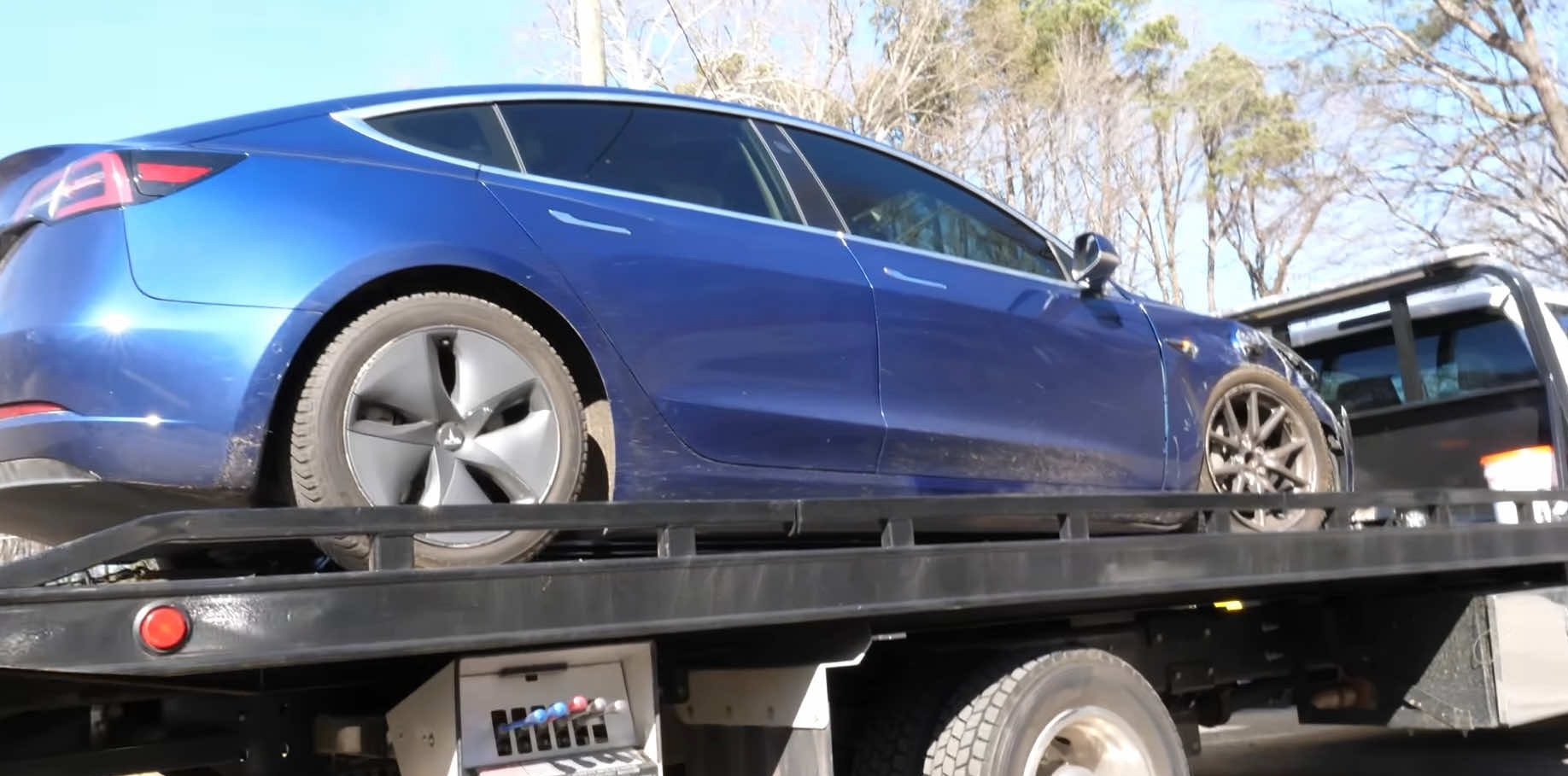
Your car just got towed away from an accident scene and now there’s an invoice, maybe two, and you’re not sure who’s actually supposed to pay it. It’s a fair question - towing after a collision usually involves more than one tow and more than one fee, and it’s easy to assume your insurer automatically covers all of it without knowing what to ask for. Here’s how the money actually flows.
There Can Be More Than One Tow
A single accident often generates two or three separate towing events, and each one gets billed separately:
1. Scene tow. The initial tow that clears your vehicle from the accident location. If police direct this tow (common when a vehicle is blocking traffic or the scene needs to clear quickly), you may not get much say in who shows up - but you still keep the right to redirect where the car ultimately goes once it’s safe to do so.
2. Storage. If your vehicle goes to a storage yard while the claim gets sorted out - waiting on an adjuster inspection, a decision on repairs, or paperwork - storage fees accrue for every day it sits there. These are billed separately from the tow itself.
3. Second tow to the repair shop. Once your insurer or adjuster clears the vehicle to move, it needs another tow from the storage yard or scene to wherever it’s actually getting repaired (or to your home, if it’s driveable-adjacent but not roadworthy). That’s a distinct trip with its own invoice.
Three separate charges from what felt like one event is normal - the key is making sure each one is accounted for and covered where it should be.
Insurer Coverage as Part of Your Claim
Generally, towing tied to a collision is covered under your collision or DCPD coverage as part of the claim - not treated as a separate out-of-pocket cost you have to fight for. That’s different from routine breakdown towing (a dead battery, running out of fuel), which is only covered if you have a roadside assistance add-on or a club membership like CAA.
In practice, this means:
- Keep every invoice - scene tow, storage, and the shop transfer - and submit them all to your adjuster under your claim number.
- Ask your adjuster directly whether you need pre-approval for the second tow (to the shop) or whether you can arrange it yourself and get reimbursed.
- If a tow company asks you to pay upfront, get an itemized receipt so you can submit it to your insurer without a dispute over what you actually paid for.
What to Demand From the Tow Operator
Whether the tow was police-directed or one you called yourself, you have rights worth knowing before the truck leaves with your car:
An itemized invoice. Not a lump-sum number - you want hook-up fee, per-kilometre or mileage charge, any winching or recovery add-ons, and storage rate per day broken out separately. This is what makes insurer reimbursement smooth and what protects you if a charge looks off.
Your choice of destination. Outside of a police-directed scene tow (where the immediate move might be out of your hands), you decide where your car ultimately goes - your own shop, a dealer, home. Don’t let anyone rush you into signing off on a destination you haven’t chosen, especially an unsolicited operator who shows up uninvited at a busy scene. In Ontario, TSSEA rules specifically require rate disclosure and your consent before towing, except when police direct it.
Confirmation of the rate before hook-up. Ask what it costs before the truck moves your vehicle, not after. A legitimate operator will tell you.
Watch for Unsolicited “Scene Chasers”
Busy accident scenes, especially on highways, sometimes attract tow operators who weren’t called by you, your insurer, or police - they simply show up and start working before anyone’s confirmed who’s actually in charge. This is precisely the situation where costs get out of hand. If a driver you didn’t summon starts hooking up your vehicle, ask directly whether police or your insurer requested them. You’re under no obligation to accept a tow from an operator you didn’t call and didn’t consent to, and rushing into one increases the odds of an inflated bill or a vehicle sent somewhere inconvenient. If you have even a moment to think, call your insurer or find a tow truck near you through a source you trust rather than accepting the first truck that arrives.
The Impound Fee Warning
If your vehicle ends up at an impound or storage yard rather than going straight to a shop, ask about the per-day storage rate immediately - don’t assume it’s small. These fees vary by province and by yard, and they compound daily the longer the vehicle sits waiting on paperwork, an adjuster inspection, or a decision about repairs. A claim that drags on for two extra weeks because of a slow inspection can turn a manageable storage bill into a genuinely painful one. If you sense delays building up, call your adjuster and ask what’s holding up the release - sometimes a quick nudge is all it takes.
Keep Every Receipt
This is the one habit that saves the most friction: keep every single piece of paper (or PDF) related to the tow and storage process.
| Keep This | Why It Matters |
|---|---|
| Scene tow invoice | Submitted to insurer under your claim; confirms hook-up and distance charges |
| Storage receipts | Shows exact per-day accrual; needed if you dispute a fee |
| Shop transfer invoice | Second tow, separate from the scene tow |
| Any payment you made upfront | Needed for reimbursement - don’t rely on memory or a verbal total |
A simple folder (physical or digital) with your claim number on it, holding every receipt as it comes in, avoids the scramble of trying to reconstruct costs weeks later when your adjuster asks for documentation.
FAQ
Does my insurance automatically cover towing after an accident? Generally yes, as part of your collision or DCPD coverage - but confirm with your adjuster whether you need pre-approval for anything beyond the initial scene tow, especially the transfer to a repair shop.
Can I choose where my car gets towed after an accident? Yes, outside of an immediate police-directed scene tow. You have the right to choose your ultimate destination and should get an itemized invoice and confirmed rate before agreeing to anything.
What if my car sits in storage for weeks during the claim? Ask your adjuster what’s causing the delay and push for a timeline - storage fees accrue daily and vary by province and yard, so a slow claim can get expensive fast. Keep every storage receipt for reimbursement.
Is a second tow to the repair shop billed separately from the scene tow? Usually yes. Treat it as its own invoice, and make sure it’s submitted to your insurer alongside the scene tow and storage receipts under the same claim number.
What should I do if a tow operator won’t give me an itemized invoice? Ask again before you agree to anything, and if they refuse, that’s a red flag worth noting - a legitimate operator itemizes hook-up, distance, and any extras without pushback. Report the interaction to your insurer if you feel pressured.
Need a tow you actually trust rather than whoever shows up first? Find a tow truck near you, or get a rough sense of cost with the towing cost calculator before you agree to anything. For collision-specific recovery, see accident recovery towing or flatbed towing if your vehicle needs to go on a deck.