You just drove a new car off the lot, or you’re a few years into ownership and a warning light has you wondering who to call - and somewhere in that stack of paperwork you got at delivery is probably an answer you’ve never read. Most new vehicles in Canada come with roadside assistance built into the purchase, no membership card required. Here’s what that typically covers, and where it quietly runs out.
Why Manufacturers Include It
Roadside assistance bundled with a new vehicle purchase isn’t charity - it keeps you inside the dealer network for repairs, builds goodwill during the ownership window that matters most for brand loyalty, and it’s a relatively low-cost benefit for the manufacturer since new vehicles break down less often than older ones. For you, the practical result is the same regardless of the manufacturer’s motive: free coverage you likely already have.
How Long It Lasts
Manufacturer roadside programs are almost always tied to your vehicle’s basic warranty period, which commonly runs 3 to 5 years depending on the brand - check your specific warranty booklet for the exact term, since it varies. Some manufacturers tie roadside assistance to time, others to a combination of time and distance (whichever comes first), matching however their basic warranty is structured.
This matters for a simple reason: the coverage isn’t tied to you as an owner, it’s tied to the vehicle and its warranty clock. If you buy a car used, check how much of the original warranty period (and therefore roadside coverage) remains - it may be years gone already, or it may still have plenty of life left.
Typical Coverage
Manufacturer roadside programs generally bundle the same core breakdown services you’d expect from any roadside plan:
- Towing to the nearest authorized dealer or service centre (sometimes with a distance limit, sometimes not)
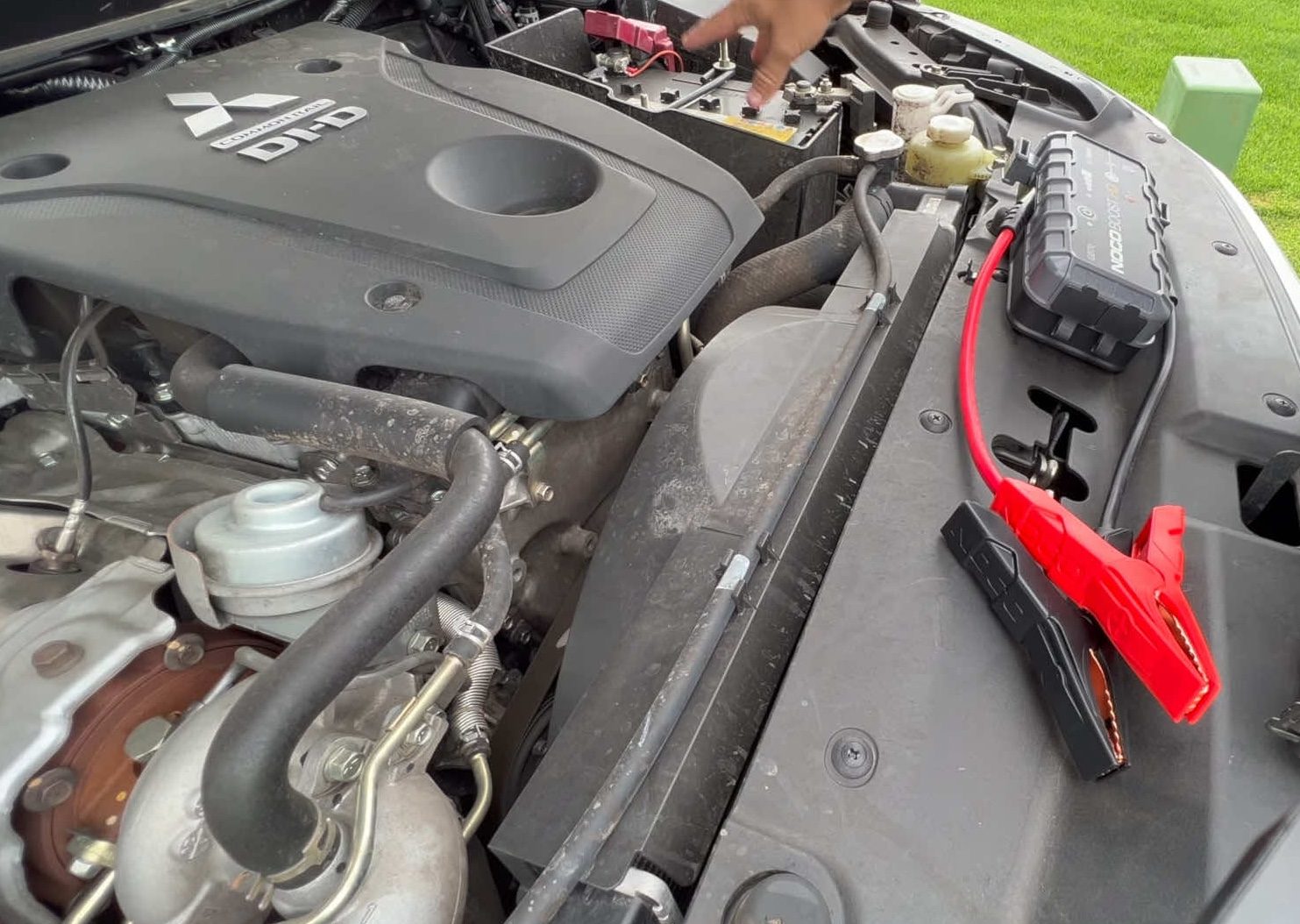
- Battery boost for a dead battery
- Lockout service if you’re locked out
- Flat tire change using your spare
- Fuel delivery if you run out of gas
Some manufacturers extend into trip-interruption benefits (a rental car or hotel reimbursement if a breakdown strands you far from home) or roadside coverage that follows the vehicle even after a change of ownership within the warranty window - but these extras vary widely by brand, so check your specific booklet rather than assuming.
Where the Warranty Booklet Matters
The warranty booklet (or the manufacturer’s website under your vehicle’s specific model and year) is the only reliable source for your exact terms. Two things worth checking specifically:
- Where you’re towed. Some manufacturer programs only cover a tow to the nearest authorized dealer, not a shop of your choosing - different from a paid roadside club, which typically lets you pick.
- What triggers a call vs. what doesn’t. Roadside assistance covers breakdown scenarios; it typically won’t cover a tow after an at-fault mechanical failure caused by neglect, or towing for reasons outside the program’s defined breakdown categories.
Common Gaps
Manufacturer coverage is genuinely good while it lasts, but it has real edges worth knowing before you need it:
| Gap | What it means |
|---|---|
| Warranty expiry | Coverage ends when the basic warranty period ends - commonly 3–5 years, check your booklet |
| Dealer-only towing destination | Some programs only tow to an authorized dealer, not your preferred shop |
| Limited calls per year | Some programs cap the number of roadside events covered annually |
| Accident towing not included | Like most roadside programs, this covers breakdowns, not post-collision towing |
| Doesn’t transfer cleanly on private resale | Confirm with the manufacturer whether coverage follows the vehicle to a new owner |
When It Beats a Club Membership
If your vehicle is still inside its warranty-period roadside coverage, it’s very likely a better deal than paying for CAA or a similar club on top of it - you’d be paying for overlapping coverage. This is worth checking before you renew or sign up for a paid membership on a newer vehicle.
| Situation | Better option |
|---|---|
| New vehicle, well inside warranty period | Manufacturer coverage - skip the paid membership |
| Vehicle near or past warranty expiry | Compare manufacturer’s remaining term against a club’s cost |
| Older vehicle, warranty long expired | A club membership (roughly $70–$180/yr depending on club and tier) or pay-per-use, since manufacturer coverage no longer applies |
| Multiple household vehicles of different ages | Check each vehicle’s warranty status individually - coverage doesn’t transfer between vehicles |
When It Doesn’t Cover You
A few situations where manufacturer roadside assistance won’t help, and where you’ll want a backup plan:
- After the warranty period ends - the coverage simply stops, regardless of how well the car has held up
- After a collision - this is insurance territory, generally your collision or DCPD coverage, not a warranty benefit
- If you’ve used up an annual call limit, on programs that cap the number of events
- Older or used vehicles bought well past their original warranty window
If any of these apply to your situation, it’s worth weighing a CAA-style membership or an insurer roadside add-on as a backup, especially if you drive long distances or in areas where a tow could otherwise run into real money.
What Happens at the Dealership Level
Most manufacturer roadside programs route your call through a dedicated roadside phone line rather than your local dealership directly - the number is usually printed in your warranty booklet, on a card in your glovebox, or accessible through the manufacturer’s mobile app if your vehicle came with one. That call centre coordinates with a network of towing and service providers on the manufacturer’s behalf, which is a different process than calling a tow company yourself.
One practical upside: because the manufacturer has a standing relationship with its provider network, dispatch and payment are usually handled without you needing to pay upfront and seek reimbursement later, unlike some credit card programs. One practical downside: you’re working within the manufacturer’s provider network and towing-destination rules, which means less flexibility than calling an independent operator directly if you have a strong preference for a specific shop.
Keeping Track of Your Coverage
Because manufacturer roadside coverage is easy to forget about - there’s no annual renewal notice like an insurance add-on, no card in your wallet like a credit card benefit - it’s worth doing a couple of simple things when you buy a new (or newer used) vehicle:
- Note your warranty start date and roadside assistance end date somewhere you’ll actually see it, like a calendar reminder a few months before expiry
- Save the roadside assistance phone number from your warranty booklet into your phone contacts, rather than relying on finding the booklet during an actual breakdown
- Check whether your specific trim or package included any roadside extensions - some manufacturers offer longer roadside terms on certain trims or as part of optional extended warranty packages
Doing this now, on a calm day, means you’re not discovering the details of your coverage for the first time while standing on a shoulder wondering who to call.
FAQ
How long does manufacturer roadside assistance last? It’s typically tied to your vehicle’s basic warranty period, commonly 3 to 5 years depending on the brand. Check your warranty booklet for your specific vehicle’s exact term.
Does manufacturer roadside assistance cover towing to any shop I want? Not always. Some manufacturer programs only cover towing to the nearest authorized dealer, unlike a paid club membership which often lets you choose your destination. Check your booklet for your specific program’s terms.
Do I still need CAA if my car has manufacturer roadside assistance? Probably not while you’re still inside the warranty coverage window, unless you want features it doesn’t include, like accident towing or extended long-distance coverage. Once the warranty period ends, a club membership or insurance add-on becomes more relevant.
Does manufacturer roadside assistance cover a used car I bought privately? Sometimes, if the original warranty period hasn’t expired - coverage is usually tied to the vehicle, not the original owner. Confirm directly with the manufacturer using your VIN.
What happens if my warranty roadside assistance runs out mid-breakdown season? Nothing changes suddenly - you simply lose free coverage going forward and pay per-use, or need a club membership or insurer add-on to fill the gap. It’s worth checking your warranty expiry date ahead of time so you’re not caught without a plan.
Before your coverage lapses, it helps to know your options: compare a CAA membership against pay-per-use with the towing cost calculator, and keep a battery boost or lockout service number on hand regardless of what’s covered.