You’ve just watched a flatbed pull up before you even finished calling anyone, and now someone’s asking you to sign something on a phone screen. Or maybe you’re just trying to understand what a tow operator is actually allowed to charge you before it happens to you. Either way, Ontario has real rules on the books for this - here’s what they say and how to use them.
What Is the TSSEA?
The Towing and Storage Safety and Enforcement Act (TSSEA) has been in force in Ontario since January 1, 2024. It’s the province’s answer to years of complaints about predatory towing - trucks chasing crash calls on scanners, inflated invoices, cars steered to storage yards drivers never agreed to. TSSEA doesn’t cover every tow in the province yet (municipal rollout has been staged), but where it applies, it sets out concrete protections that didn’t exist before.
The core idea is simple: towing and vehicle storage are now regulated the way plumbing or electrical work is. Operators, individual drivers, and storage yards all need to hold a provincial certificate to legally operate. That single change is what makes the rest of the law enforceable - if a company or driver isn’t certified, they shouldn’t be towing you at all.
What TSSEA Actually Covers
Certification
Tow truck operators, the drivers behind the wheel, and vehicle storage facilities must each be certified through Ontario’s provincial program. Certification is meant to weed out the fly-by-night operators who show up at accident scenes uninvited and disappear once they’ve got your car and your money. If you’re ever unsure whether a company is legitimate, ask to see their certification - a properly licensed operator will have it on hand.
Consent
Under TSSEA, a tow operator generally needs your consent before towing your vehicle. The major exception is when police direct the tow themselves - in that case, consent isn’t required, because the tow is happening under police authority, not commercial solicitation. Outside of that, nobody should be hooking up your car without you agreeing to it first.
Rate Disclosure Before the Tow
Operators are required to disclose their rates before the tow happens, not after the vehicle is already on the truck. This is the rule that ends the classic “surprise invoice” problem - you’re supposed to know roughly what you’re paying before you agree to anything, not find out when the bill lands.
Your Right to Choose the Destination
You get to decide where your vehicle goes. Not the tow driver, not whoever happens to answer dispatch first. If you have a preferred shop, want the car taken home, or need it at a dealer, that’s your call - and it’s written into the law, not just good practice.
Card Payment
Operators have to accept card payment. This closes off a pressure tactic that used to be common: demanding cash on the spot from someone who’s stressed, standing on a shoulder, and in no position to negotiate.
Itemized Invoice
You’re entitled to an itemized invoice - a real breakdown of what you’re being charged for (hook-up, distance, labour, any extras), not a single lump number. If a component looks unfamiliar or inflated, an itemized invoice is what lets you actually question it.
Ontario Tow Zones
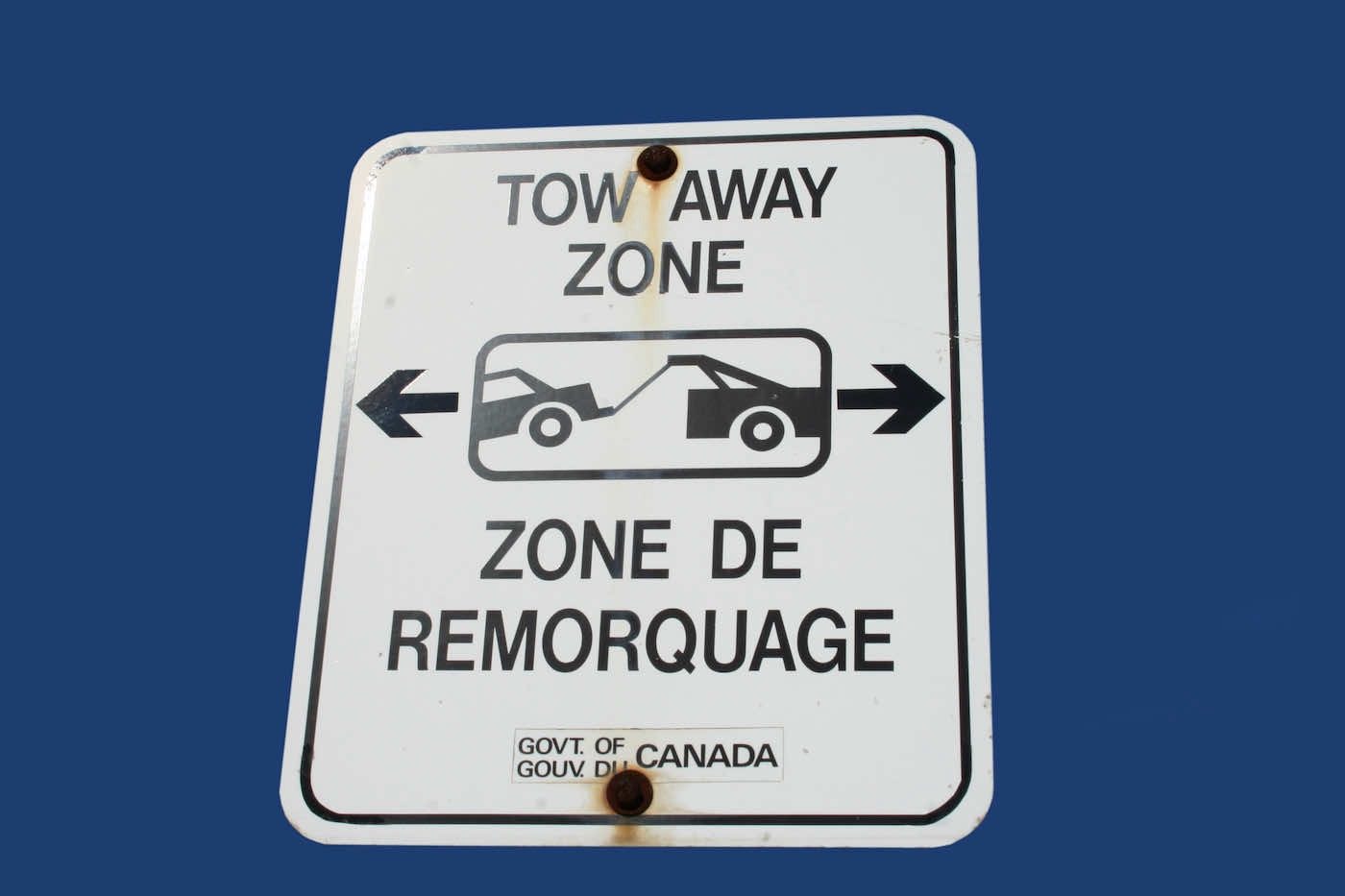
Some 400-series highway segments in Ontario operate as designated tow zones, where vehicles involved in incidents or breakdowns are required to be cleared quickly to keep traffic moving - this is separate from TSSEA’s consumer protections and is about highway operations, not billing. If you break down in a tow zone, expect a faster, more directive response from whoever arrives, since keeping the highway open is the priority in that stretch.
Getting Help Safely on an Ontario Highway
If you break down on a 400-series highway, dial #677 from your cellphone - it reaches OPP dispatch directly and is the fastest way to get an official response rather than waving down whoever passes first. Checking Ontario 511 before a long drive is also worth the habit, since it flags closures and conditions that might explain why traffic (and tow response times) are slower than usual. Whether you need a full flatbed towing because your vehicle can’t safely roll, or just a battery boost to get moving again, calling a certified operator yourself - rather than accepting the first truck that stops - puts you back in control of the consent and rate-disclosure protections TSSEA gives you.
Why Predatory Towing Was a Problem Before TSSEA
Part of what makes TSSEA worth understanding is the pattern it was built to stop: tow trucks monitoring police scanners and racing to crash scenes, arriving before a driver has even processed what happened, and getting a signature before anyone’s thought to ask about price. Once a vehicle is hooked up and moving, a driver’s leverage drops fast - which is exactly why the law focuses on the moment before the hook-up: consent, disclosed rates, and your right to name the destination. Knowing this history is useful context for why these particular protections exist, rather than some other set of rules.
What To Do If the Rules Are Broken
If a tow operator skips consent, refuses to disclose rates upfront, won’t take your card, won’t give you an itemized invoice, or won’t let you choose your destination, don’t argue it out on the roadside. Note the company name, driver name if you can get it, licence plate of the tow truck, and take photos. Pay what you must to get your vehicle back if it’s already at a storage yard, but keep every document - the itemized invoice is your paper trail for a dispute afterward.
For the specifics of filing a complaint, current certification status of a company, or anything beyond what’s summarized here, Ontario’s official government resources are the right place to check - this article covers the shape of your rights, not every procedural detail of enforcement.
Practical Steps If You’re Being Towed in Ontario
| Situation | What you’re entitled to |
|---|---|
| Non-police-directed tow | Your consent before hook-up |
| Any TSSEA-covered tow | Rate disclosed before towing starts |
| Choosing where the car goes | You decide, not the driver |
| Paying the bill | Card payment must be accepted |
| Reviewing the charge | Itemized invoice, not a lump sum |
| Highway tow zones | Faster clearance may be required for traffic flow |
If you’re dealing with a breakdown rather than a collision, the same consent and rate-disclosure principles apply - you can find a tow truck near you through operators who work within these rules rather than accepting whoever pulls up first. For a rough sense of what a fair price looks like before anyone arrives, the towing cost calculator is a useful gut-check. Note that a collision tow is a different animal from a breakdown tow when it comes to who pays - see accident recovery for that side of it.
FAQ
What is the TSSEA and when did it start? The Towing and Storage Safety and Enforcement Act is Ontario’s towing regulation law, in force since January 1, 2024. It requires certification for operators, drivers, and storage yards, and sets out consumer protections like consent, rate disclosure, destination choice, card payment, and itemized invoices.
Can a tow truck take my car without asking me? Not generally. Consent is required except when police direct the tow. If a tow operator hooks up your vehicle without your agreement and it isn’t a police-directed tow, that’s a problem worth documenting.
Do I have to pay cash for a tow in Ontario? No. Certified operators are required to accept card payment. You shouldn’t be pressured into paying cash on the roadside.
Can I choose where my car gets towed? Yes. Under TSSEA, you have the right to choose the destination - your own shop, a dealer, home, wherever makes sense for you, rather than wherever the tow operator prefers.
What should I do if a tow company won’t give me an itemized invoice? Ask again in writing if possible, and keep any documentation you do get - company name, driver name, licence plate, photos. If they still won’t provide one, that’s grounds for a formal complaint through Ontario’s official channels.