Your heart is pounding, there’s a dented bumper or worse in front of you, and someone’s probably already pulled out their phone. Whether it’s a parking-lot tap or a highway collision, the next twenty minutes set the tone for everything that follows - your claim, your repair, and whether you get towed somewhere you actually want to go. Here’s the order that works.
1. Check for Injuries First
Before anything else - paperwork, photos, insurance - check yourself and your passengers for injuries. Then check the other vehicle if it’s safe to approach. If anyone is hurt, call 911 immediately and don’t move an injured person unless they’re in immediate danger (fire, traffic).
2. Get to Safety
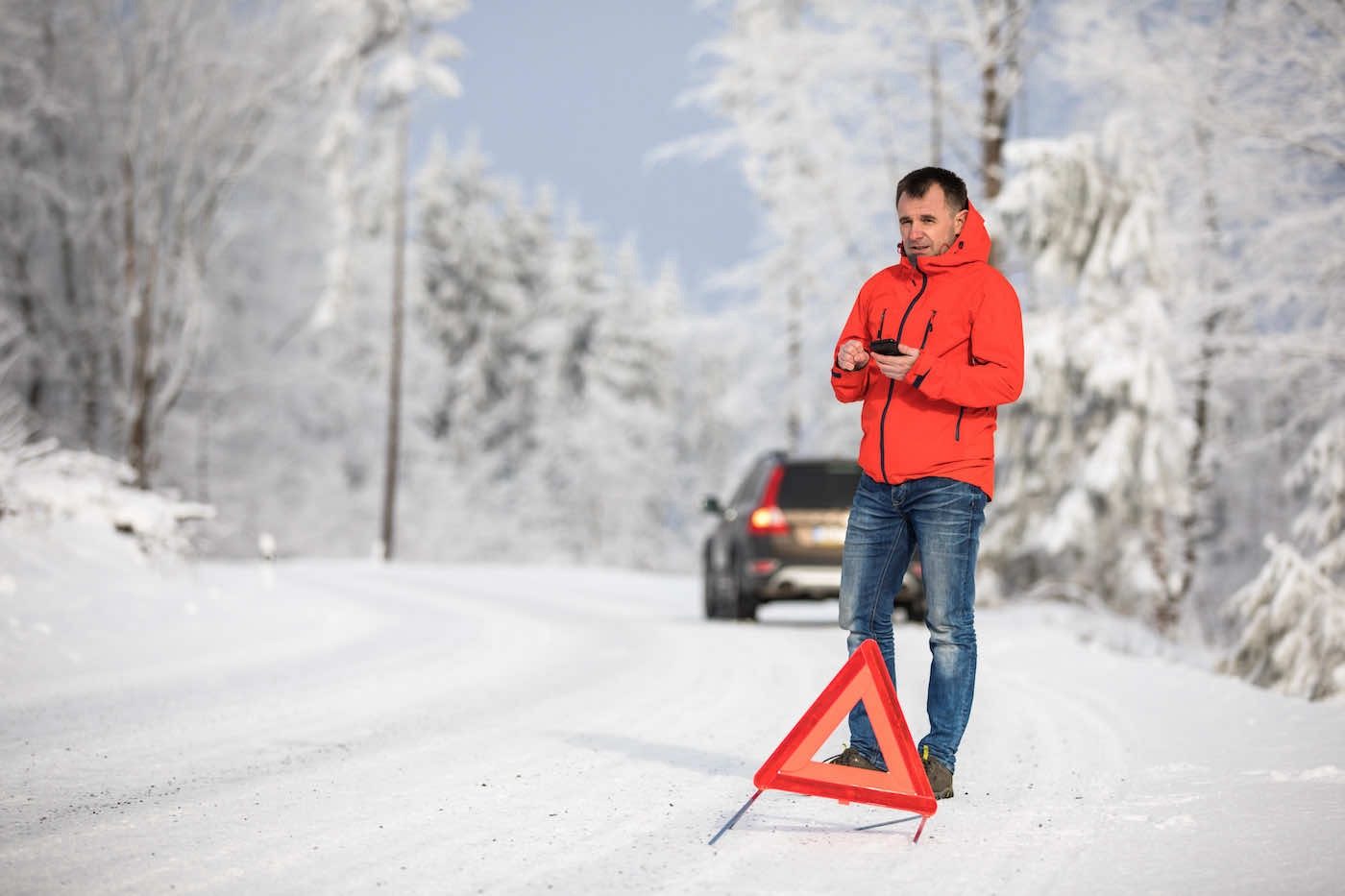
If the vehicles are drivable and it’s safe to do so, move them out of the active lane - most provinces actually require this for minor collisions with no injury, to keep traffic flowing. If a vehicle won’t move or there’s significant damage, turn on hazards and get people behind a barrier or well clear of traffic, the same way you would for a breakdown.
3. Call the Police - Know When It’s Mandatory
Every province has its own threshold, but the general rule across Canada is: call police if anyone is injured, if a vehicle needs to be towed, if damage looks like it’s over the province’s reporting threshold (often somewhere around $2,000–$3,000, varies by province), or if you suspect the other driver is impaired, uninsured, or leaving the scene. When in doubt, call.
In Ontario, for minor collisions with no injury and no criminal element, police may direct you to a collision reporting centre instead of attending the scene - you drive both vehicles there (if drivable) and file the report in person. Ask the call-taker whether that applies to your situation.
4. Document Everything With Photos
Before anything gets moved (if it’s safe to leave it in place) or immediately after, photograph:
- All vehicles from multiple angles, including licence plates
- Damage close-up on every vehicle involved
- The overall scene - lane positions, skid marks, traffic signs, signals
- Road and weather conditions
- Any visible injuries
Photos are your best evidence and cost nothing to take. Take more than you think you need.
5. Exchange Information
Get from every other driver involved:
- Full name and phone number
- Licence plate and driver’s licence number
- Insurance company and policy number
- Vehicle make, model, and colour
If there are witnesses, ask for their contact info too - an independent account can matter later.
6. Note the Details While They’re Fresh
Write down (or voice-record on your phone) the time, location, direction of travel, weather, and a plain description of what happened, right after the collision. Memory fades fast under stress, and insurers will ask for specifics.
7. Don’t Admit Fault at the Scene
Stick to facts when talking with the other driver, witnesses, or police. Fault gets determined by your insurer and, if needed, the province’s fault determination rules - not by what anyone says in the heat of the moment on the roadside.
8. Choose Your Own Tow Destination
This is the step people get rushed on. If your car needs a tow, you decide where it goes - your regular shop, a dealer, home, wherever. You don’t have to send it wherever the first truck on scene suggests. Be especially cautious of unsolicited tow operators who show up uninvited at a busy collision scene and pressure you to sign before you’ve thought it through; in Ontario, TSSEA rules require rate disclosure and your consent before towing, except when police direct the tow. Ask for an itemized invoice and confirm the price before the hook-up. See accident recovery or flatbed towing if your vehicle needs to go on a deck rather than be wheel-lifted.
9. Notify Your Insurance Company
Call your insurer as soon as you reasonably can, ideally the same day. Have your policy number, the other driver’s info, and your photos ready. A collision tow is generally covered under your collision or DCPD coverage as part of the claim - separate from everyday breakdown roadside assistance, which only applies if you’ve got a roadside add-on or a club membership like CAA.
10. Keep Records of Everything After
Save every receipt: the tow invoice, any storage fees, rental car costs, repair estimates. Keep a simple log of who you spoke to and when at both the police service and your insurer. If your car ends up in an impound or storage yard, ask about per-day storage fees right away - these vary by province and by yard, and they add up fast the longer a vehicle sits.
If the Other Driver Leaves the Scene
A hit-and-run adds stress on top of stress, but the steps don’t change much. Get whatever you can - a partial plate, vehicle colour and make, direction of travel - and call police right away to file a report. Photograph your own damage and the scene as thoroughly as you would in any collision, since insurers will still want documentation even without a second driver to exchange information with. Most policies have provisions for unidentified-driver claims, so don’t assume a hit-and-run means you’re stuck paying for everything yourself; that’s a conversation to have with your insurer, not an assumption to make on the roadside.
Multi-Vehicle Collisions
When three or more vehicles are involved, the same checklist applies, but expect it to take longer. Get information from every driver, not just the one directly in front of or behind you, and take extra photos showing how the vehicles ended up positioned relative to each other - that context matters more in multi-vehicle claims than in a simple two-car collision. Police attendance is also more likely to be required simply because of the complexity, even if damage looks minor.
Quick Reference Table
| Step | Do It |
|---|---|
| 1–2 | Check injuries, get to safety |
| 3 | Call police if required (injury, tow, damage threshold, impairment) |
| 4–6 | Photos, exchange info, note details |
| 7 | Don’t admit fault |
| 8 | Choose your own tow destination |
| 9 | Notify insurer same day |
| 10 | Keep every receipt |
FAQ
Do I always have to call the police after an accident? Not always - it depends on your province’s threshold, but generally yes if there’s an injury, a vehicle needs towing, damage looks significant, or you suspect impairment or an uninsured driver. When unsure, call and let the dispatcher decide.
What is a collision reporting centre? In Ontario, it’s a facility where police may direct drivers involved in a minor, no-injury collision to file their report in person, rather than sending an officer to the scene. Both vehicles are typically driven there if they’re still drivable.
Can I refuse a tow truck that shows up uninvited? Yes. You’re never obligated to use a tow operator you didn’t call. You have the right to choose your own destination and ask for an upfront, itemized price before any hook-up happens.
Is towing after an accident covered by insurance? Generally yes - a collision tow is typically covered under your collision or DCPD coverage as part of the claim process. That’s different from routine breakdown towing, which needs a roadside add-on or a club like CAA.
What if the other driver won’t share their insurance information? Note their licence plate, get witness contact info if possible, and call police to report it - refusing to exchange information after a collision is a problem the police can help resolve, especially if you also file a report with your own insurer right away.
Need to find a tow truck near you after a collision, or want a sense of cost before the truck arrives? Try the towing cost calculator to get a rough estimate for your situation.