
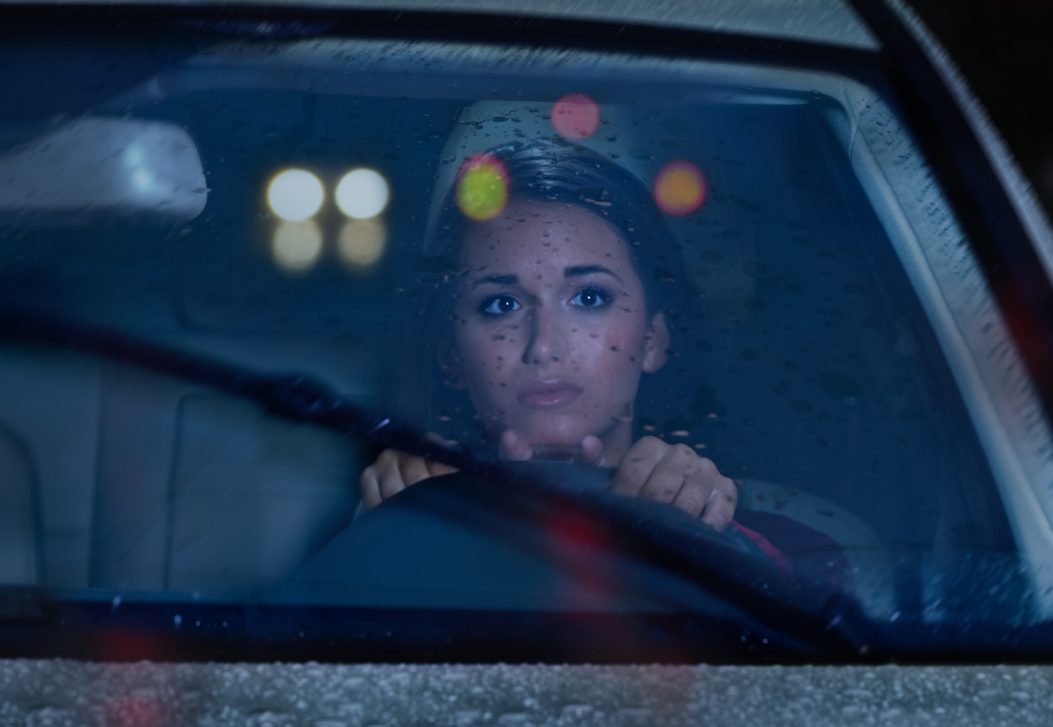
Your dashboard lights up, the engine sputters, or you just feel the car lose power at 100 km/h with transports roaring past. The next ten seconds matter more than anything else that happens today. Here’s exactly what to do, in order, and what to skip.
Step 1: Signal and Get Off the Travel Lane
The instant you sense trouble - a warning light, a shudder, a smell - put your four-way flashers on immediately. Do this before you even decide what’s wrong. Then check your mirrors and blind spot, signal, and ease toward the shoulder or the nearest exit ramp. Don’t slam the brakes in the lane. A rolling car that can still steer is far safer than a stalled car sitting in traffic.
Aim for as much shoulder width as you can get, and if there’s an exit, off-ramp, or gas station within a few hundred metres, try to coast there rather than stopping on the shoulder of a high-speed corridor.
Step 2: Pull as Far Right as Possible
Get every part of the vehicle off the paved travel lane if you can - onto the gravel, the grass, or as close to the guardrail as the shoulder allows. On a divided highway, the right shoulder is almost always safer than the left/median shoulder, since traffic passes on your right at speed either way. Straighten your wheels and put the car in park (or first gear/low if manual) before you do anything else.
Turn on your hazards, and if you have flares or reflective triangles, this is the moment - but only deploy them if you can do so without walking into traffic.
Step 3: Exit From the Passenger Side
This is the step most drivers skip, and it’s the one that saves lives. If your car is stopped on the right shoulder, do not open the driver’s door into moving traffic. Climb across and exit from the passenger side, away from the lanes. Get everyone out the same way, including kids and pets.
Step 4: Get Behind the Barrier
Once out of the car, don’t stand next to it, lean on it, or sit on the trunk. Move well away - behind the guardrail, up the embankment, or as far from the pavement as the terrain allows. A shocking number of roadside injuries and deaths happen to people standing beside their own disabled vehicle, not inside it. If there’s no barrier and no safe distance available, it’s often safer to stay buckled in your seat with hazards on than to stand next to live traffic - use your judgment based on the specific shoulder.
Step 5: Call for Help - Know Who to Call
Who you call depends on the situation:
| Situation | Call |
|---|---|
| Injury, fire, fuel leak, or blocking a live lane | 911 |
| Ontario highway, no injury, need traffic control or it’s a hazard | *OPP (*677) |
| Checking road/weather conditions before you decide | 511 (provincial road conditions line, most provinces) |
| Simple mechanical breakdown, no hazard | Your own tow provider, CAA (*222 from a cell), or find a tow truck near you |
If you’re not blocking traffic and nobody’s hurt, you don’t need 911 - a call to your insurer’s roadside line, CAA, or a local towing company is the right move. Use the towing cost calculator to get a rough idea of what a shoulder call and hook-up will run before the truck arrives.
What NOT to Do
- Don’t stand behind or beside the vehicle to “wave down” help. You’re not visible until it’s too late for a driver to react.
- Don’t try to fix it roadside on a live shoulder, even a quick tire check, unless you’re well clear of traffic and it’s a low-speed, low-traffic road.
- Don’t leave the car running unattended for long periods on the shoulder if you’ve left the area - but do leave hazards on.
- Don’t block a live travel lane if you can possibly avoid it. A car stopped in-lane on a highway is one of the most dangerous roadside situations there is; keep coasting to the shoulder even if it means going another minute on a rough engine.
- Don’t get back in through the driver’s-side door once you’re safely out and traffic is close.
The Unsolicited Tow Truck Warning
If you break down and a tow truck shows up that you didn’t call - no dispatch, no confirmation, just someone who “saw you and happened to be nearby” - be careful. This happens most often right after collisions in busy corridors, but it happens with breakdowns too. Unsolicited tow operators sometimes pressure stressed drivers into signing on the spot, then charge inflated rates or take the vehicle somewhere inconvenient to reach.
You are allowed to say no. In Ontario, under the TSSEA rules in force since January 1, 2024, tow operators must disclose their rates before towing and get your consent (except when police direct the tow) - and you get to choose the destination. That right exists across the country in practice even where it isn’t written into a specific act: it’s your vehicle, and you decide who tows it and where it goes, unless police direct otherwise at the scene. If a driver won’t tell you the price up front, or gets pushy about you deciding right now, wait for the truck you actually called.
Waiting Safely
Once you’ve called for help, stay behind the barrier or well off the roadway. Keep your phone charged if possible, and watch for your tow operator or roadside assistance provider - most will call or text an ETA. If it’s after dark, a storm, or a low-visibility stretch, expect the wait and the eventual invoice to run a bit higher; after-hours and storm premiums are common in this industry, same as with any emergency trade.
While you wait, it’s worth deciding in advance where you actually want the car to go - a specific shop, your driveway, or a dealer - rather than defaulting to wherever the tow operator suggests. You have that choice.
FAQ
Should I call 911 for a simple breakdown with no injuries? No. 911 is for emergencies - injuries, fires, fuel leaks, or a vehicle blocking a live lane. A straightforward mechanical breakdown on the shoulder is better handled with your insurer’s roadside line, CAA, or a local tow company.
Is it safer to stay in the car or get out? Generally, get out and move behind a barrier or well off the roadway, exiting from the passenger side away from traffic. If there’s genuinely no safe space to stand - no shoulder, no barrier, a narrow bridge - staying buckled in with hazards on can be the safer call. Read the specific location.
What if a tow truck I didn’t call stops to help? You’re not obligated to use them. Ask for ID, ask what they’d charge, and feel free to decline and wait for your own tow. You always have the right to choose your destination and provider.
Do I need reflective triangles or flares in the car? They’re not legally required everywhere, but they’re genuinely useful for making a disabled vehicle visible on a highway shoulder, especially at night. Only set them out if you can do it without stepping into traffic.
How much will a highway breakdown tow cost? A typical light-duty tow runs $75–$150 for the hook-up plus $3–$5/km, with a local tow commonly landing between $100–$250 total. Costs run higher after hours or in bad weather. Try the towing cost calculator for a quick estimate, and see flatbed towing if you’re driving an AWD or EV, which typically require a flatbed rather than a wheel-lift tow.