
You’ve got roadside coverage, you’re confident it’s solid, and then your EV goes quiet on the shoulder - and it occurs to you that everything you know about roadside assistance was learned from gas vehicles. Fair concern. EVs break down differently than gas cars do, and a plan that’s perfectly adequate for a Civic can leave real gaps for an EV owner. Here’s what actually changes.
The Big One: A Dead Traction Battery Isn’t a Boost
The single most important thing to understand about EV roadside assistance is this: a dead 12-volt battery and a dead traction battery are two completely different problems, and only one of them is fixable at the roadside.
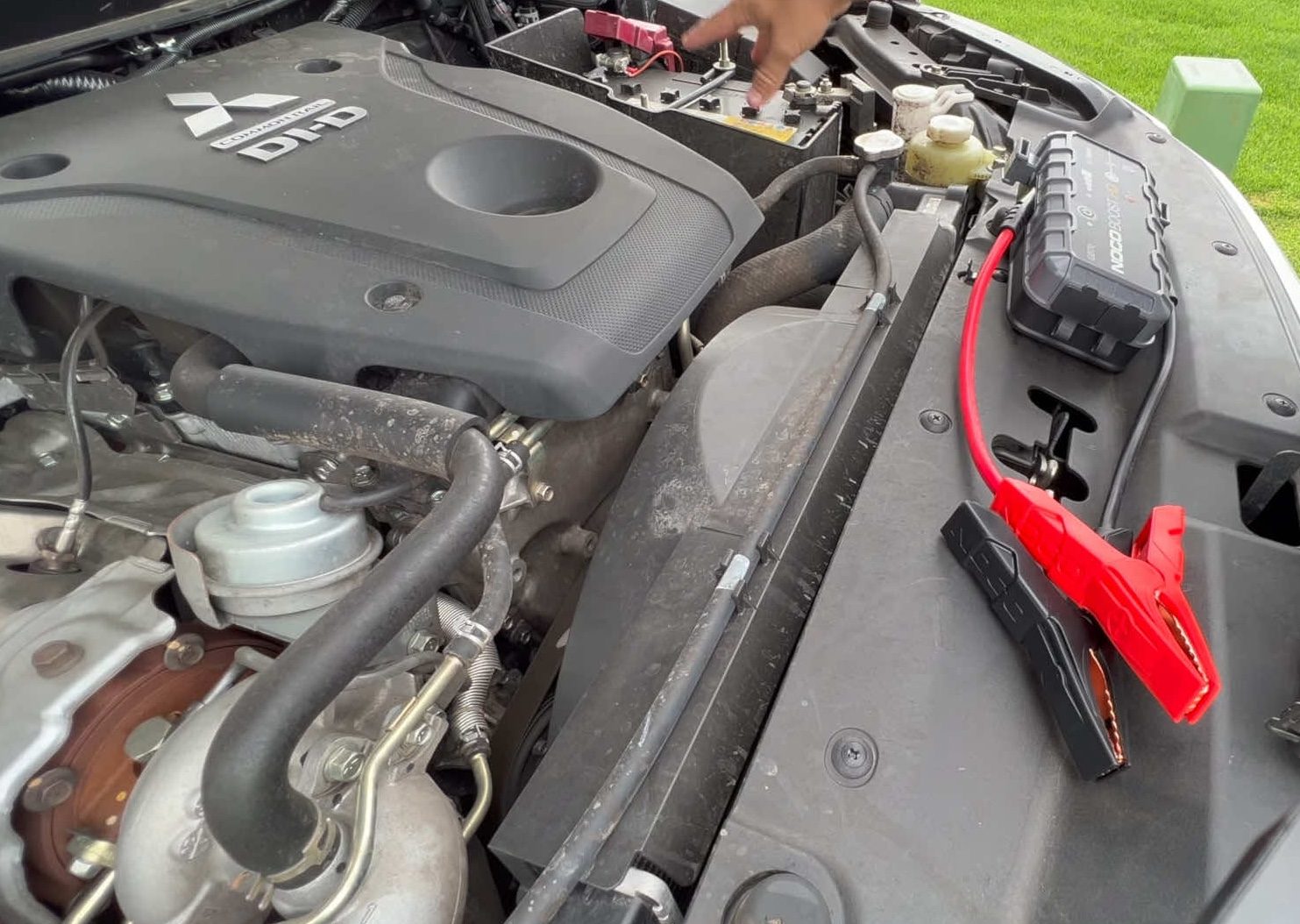
Every EV has a small 12-volt battery that runs the electronics - locks, infotainment, the systems that wake the car up. If that battery dies, it can often be boosted much like a conventional car’s battery, restoring basic functions like unlocking the doors. That’s a normal roadside call, and most plans handle it fine.
The high-voltage traction battery - the one that actually powers the drive motor - is a different system entirely. If that battery is genuinely depleted, there is no roadside boost that fixes it. The vehicle needs to be towed to a charging station or service centre. No amount of cable-and-clamp technique changes that; it’s a physical limitation of how EVs store and deliver drive power, not a service gap. If your plan’s marketing talks about “battery boost service” for EVs, ask specifically whether that means the 12-volt system only - in most cases, it does.
The Flatbed Rule Still Applies
Most EVs have their drive motor connected directly to the wheels with no traditional transmission to fully disengage that connection. That means rolling the wheels during a tow - the way a wheel-lift tow works - can force the motor to spin and risk damage to the drive unit. The practical result: EVs almost always require flatbed towing, full stop, regardless of why they’ve stopped moving.
This matters for roadside plans specifically because not every plan’s dispatch network guarantees a flatbed truck shows up on the first call. When you’re evaluating or using a plan, confirm:
- Whether the plan’s dispatcher asks if your vehicle is electric before sending a truck
- Whether their network has flatbed capacity in your area, not just wheel-lift trucks
- Whether there’s any extra charge for flatbed vs. wheel-lift under your plan (some plans price them the same; some don’t)
If you’re calling for a tow yourself rather than going through a plan, say “this is an electric vehicle” as the very first thing you tell dispatch - see how EVs get towed for the full mechanics of why this matters.
Mobile Charging: An Emerging Option, Not a Guarantee
Some roadside providers in Canada are beginning to add mobile charging trucks - a vehicle that comes to you and delivers a partial charge on the spot, enough to reach a proper charging station, rather than towing you there. This is a genuinely useful development for EV owners, but it’s not yet standard across the industry, and coverage varies a lot by region and provider. Treat mobile charging as a bonus to look for, not something to assume your plan includes. If it matters to you, ask your provider directly whether mobile charging is available in your area, and don’t be surprised if the honest answer, for now, is “tow to the nearest charger” in a lot of regions.
What to Look for in an EV-Specific Roadside Plan
| Feature | Why It Matters for EVs |
|---|---|
| Dispatcher asks about vehicle type | Ensures a flatbed gets sent the first time, not a wheel-lift that has to be swapped out |
| Confirmed flatbed network coverage | Some rural or lower-density areas may have limited flatbed availability |
| Clear policy on traction battery depletion | You want tow-to-charger covered, not marketed as a “boost” that won’t actually work |
| Mobile charging availability (if offered) | Genuinely useful where available, but confirm it isn’t just marketing language |
| Distance limits appropriate to charging network gaps | A dead EV may need to travel further to reach a compatible charger than a gas car needs to reach a gas station |
Where EV Roadside Coverage Comes From
The same general categories of roadside coverage apply to EVs as to any vehicle - auto clubs like CAA, insurer add-ons, credit card perks, and manufacturer programs - but a few EV-specific notes are worth knowing:
- Manufacturer programs for EVs are often more attuned to EV-specific handling than a generic third-party plan, since the manufacturer’s own network is trained on the vehicle. Check your warranty booklet for how long this runs (commonly 3–5 years, similar to gas vehicles) and whether it includes anything charging-related.
- Auto club coverage works fine for EVs in the general sense (tow distance, service call limits by tier), but ask specifically whether their network in your area has flatbed capacity and any EV-specific dispatch protocol, rather than assuming it’s identical to gas-vehicle service.
- Insurer roadside add-ons typically cover the same core services for EVs as gas vehicles - confirm the flatbed point specifically, since a generic add-on’s marketing material may not spell it out.
For a full comparison of these categories generally, see best roadside assistance in Canada.
What to Do If Your EV Dies on the Road
- Get safely off the travel lane if the vehicle is still capable of any movement, and put on hazards.
- Say “electric vehicle” as the first thing you tell dispatch, whether you’re calling a plan or a towing company directly.
- Note whether you’re at zero range or experiencing a fault with charge still showing - this distinction helps dispatch and the operator understand what they’re dealing with.
- Confirm a flatbed is being sent before the truck leaves the yard, not after it arrives.
- Know your nearest charging option if you’re able to specify a destination - the operator can confirm compatibility, but knowing your target ahead of time speeds things up.
FAQ
Can roadside assistance boost a dead EV battery? Only the small 12-volt battery, which can restore basic functions like unlocking the car. A depleted traction (drive) battery cannot be boosted at the roadside - it requires a tow to a charging station or service centre.
Do I need a special roadside plan for an EV? Not necessarily a completely different plan, but confirm whatever plan you have - auto club, insurer add-on, manufacturer program, or credit card perk - guarantees flatbed dispatch and understands the traction-battery limitation before you rely on it.
Is mobile charging available everywhere in Canada? No - it’s an emerging service offered by some providers in some regions, not a standard feature. Ask your specific provider whether it’s available where you drive rather than assuming it’s included.
Does towing an EV cost more under a roadside plan? Not inherently, but since EVs almost always require flatbed towing rather than the sometimes-cheaper wheel-lift option, confirm your plan doesn’t treat flatbed as a premium add-on with extra out-of-pocket cost.
What if my EV won’t shift into neutral for a flatbed loading? Some EVs need a specific procedure - sometimes through the touchscreen - to allow towing. Check your owner’s manual ahead of time so you’re not searching for it roadside with a dying phone and low signal.
If your EV needs a tow right now, find a tow truck near you and confirm flatbed service specifically, or check EV towing for operators who list electric vehicle handling directly. For a cost estimate before you call, the towing cost calculator gives you a rough range.