
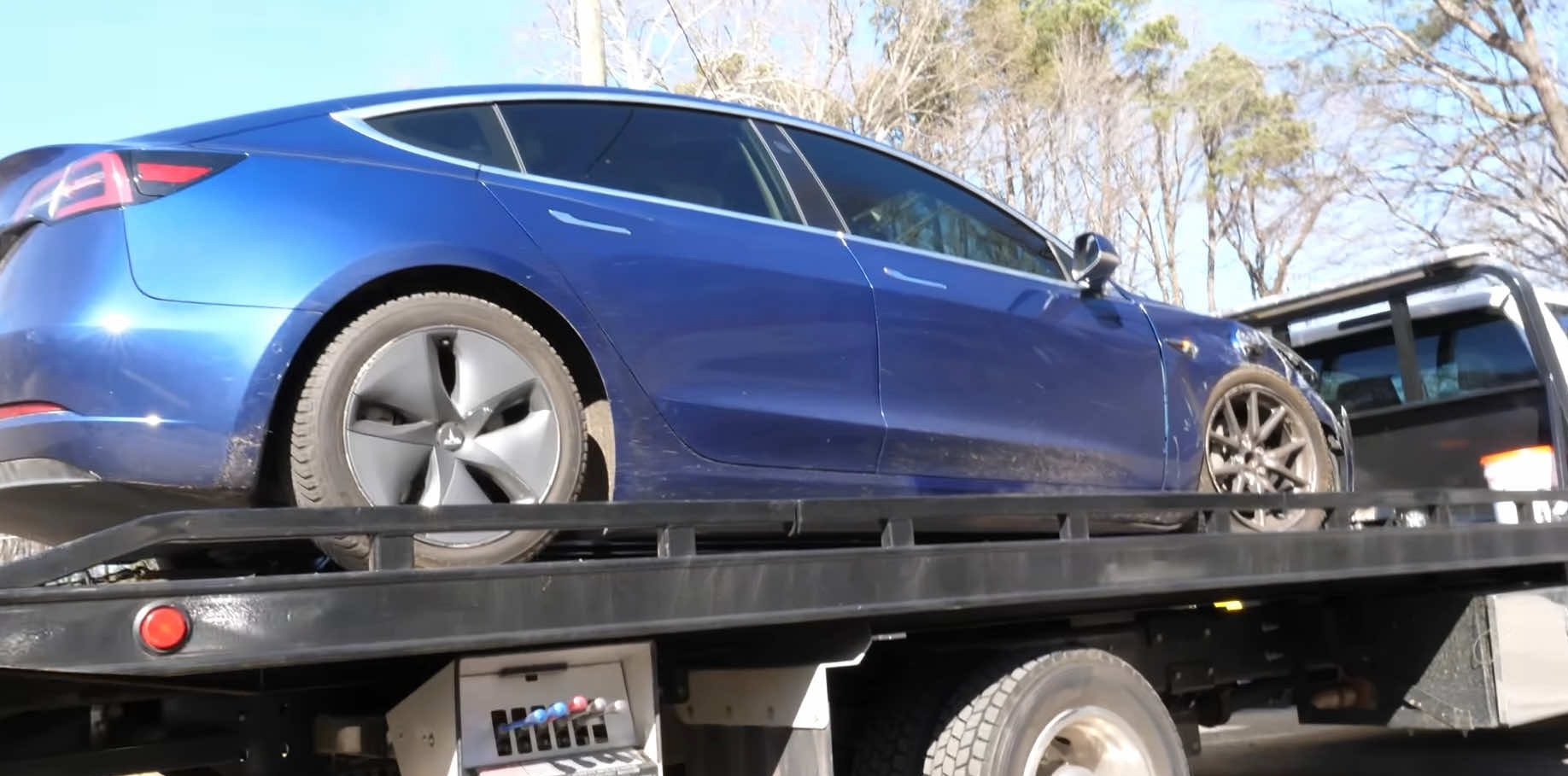
Someone hit your car and drove off, and now you’re left with the damage, no name, no plate number, and a genuine question about whether your insurance will even cover this. Hit and runs are frustrating precisely because the usual claims process assumes there’s another driver to identify and coordinate with - and here, there isn’t. The process still works, but it works a little differently.
Report to Police Promptly - Always
The very first step, before anything else, is reporting the incident to police. This matters for a few reasons: it creates an official record with a timestamp, it may help police actually identify the other driver (especially if there are witnesses, nearby cameras, or paint transfer evidence), and - critically - most insurers require a police report as a condition of processing a hit-and-run claim, precisely because there’s no other driver’s insurer to coordinate with. Report promptly, even if the damage seems minor or you doubt police will find anyone; the report itself is often what your claim depends on.
When you report, provide as much detail as you can:
- Time, date, and exact location
- A description of the other vehicle, if you saw anything at all (colour, approximate make/model, direction of travel)
- Any partial plate information, even a fragment
- Names and contact information for witnesses
- Photos of the damage and the scene
Why Coverage Paths Vary by Province
Because there’s no identifiable other driver, the mechanisms that normally handle “not at fault” claims - like DCPD, which requires another Canadian-insured driver to coordinate with - don’t apply the same way in a hit and run. How your damage actually gets covered depends on your specific policy and your province’s insurance structure, so this is genuinely a “confirm with your insurer” situation rather than one with a single Canada-wide answer.
In general terms, coverage for a hit and run typically comes through:
- Your own collision coverage, which generally applies regardless of who’s at fault or identifiable - treating the hit and run similarly to any other collision where you can’t pursue the other party directly.
- Uninsured/unidentified motorist coverage, if your policy includes it, which exists specifically for situations like this - another driver caused damage but can’t be identified or held responsible.
- Your province’s specific framework, particularly relevant in full public-insurer provinces (BC, Saskatchewan, Manitoba) and Quebec’s hybrid system, where the process for an unidentified-driver claim follows that province’s own rules rather than a private DCPD-style mechanism.
Ask your insurer directly which of these applies to your policy and your province - don’t assume based on how a regular collision claim would be handled, since a hit and run is specifically the scenario where the usual not-at-fault mechanisms may not directly apply. For how DCPD and standard fault-based claims normally work, see what is DCPD? Direct Compensation Property Damage explained and how fault is determined after a car accident in Canada - useful context for understanding why a hit and run doesn’t fit neatly into either.
Deductible Considerations
Because a hit and run is typically processed through your collision coverage (rather than a not-at-fault DCPD-style path, which often carries a $0 deductible), you may be responsible for your standard deductible even though you did nothing wrong. This is a genuinely frustrating quirk of how the system is built around identifiable at-fault parties, and it’s worth confirming directly with your insurer - some policies and some provinces may treat a well-documented hit and run differently, but don’t assume a $0 deductible applies without checking. If the deductible makes filing feel marginal, should you file a claim or pay out of pocket walks through that trade-off in more general terms.
What Helps Your Claim
Beyond the police report, a few things strengthen a hit-and-run claim:
- Photograph everything immediately - the damage to your vehicle, the surrounding area, any debris left behind (like a broken side mirror or paint transfer), and the exact location.
- Look for camera coverage nearby - parking lot cameras, doorbell cameras, or traffic cameras sometimes capture the incident or the fleeing vehicle. Mention this to the responding officer, since they may be able to follow up on it.
- Ask around for witnesses immediately, rather than assuming no one saw anything - a parking lot or residential street often has more potential witnesses than it first appears.
- Report to your insurer promptly, the same way you would for any other accident - most policies require prompt notice as a condition of coverage, hit and run or not.
Parked-Car Hit and Runs
A large share of hit and runs happen to parked vehicles - you come back to your car in a parking lot or on the street to find fresh damage and no note. The same core process applies: report to police promptly, document everything, and notify your insurer. The main difference is that there’s rarely a live scene to work with, so nearby cameras and any witnesses who happened to see the incident become even more important. If you’re parked somewhere with visible security cameras (a shopping centre, a parkade, a business with a doorbell camera pointed at the street), it’s worth asking whether footage exists and passing that along to the investigating officer, since footage can disappear or get overwritten if it isn’t requested promptly.
If Your Vehicle Needs a Tow
If the damage is severe enough that your vehicle needs to be towed, that’s generally covered as part of your claim once you’ve reported both to police and to your insurer, similar to how towing works after any collision. Keep the itemized tow invoice for your claim file. See who pays for towing after an accident for more on how tow and storage costs fit into a claim.
Quick Reference
| Step | Why It Matters |
|---|---|
| Report to police promptly | Often required for the claim; may help identify the driver |
| Photograph damage and scene | Supports your claim and any police investigation |
| Check for nearby cameras | Could identify the fleeing driver |
| Notify your insurer promptly | Standard requirement regardless of claim type |
| Confirm which coverage applies | Varies by policy and province - ask, don’t assume |
| Confirm your deductible | May apply even though you weren’t at fault, depending on your policy |
FAQ
Do I have to report a hit and run to police even if the damage is minor? Yes - report promptly regardless of severity. Most insurers require a police report to process a hit-and-run claim, and reporting also gives police a chance to identify the other driver.
Will my insurance cover a hit and run if the other driver is never found? Generally yes, through your collision coverage or uninsured/unidentified motorist coverage if your policy includes it - but exactly how it’s handled depends on your policy and province, so confirm with your insurer.
Do I still pay my deductible if I wasn’t at fault? Possibly, since hit-and-run claims often don’t qualify for the $0-deductible treatment that some not-at-fault DCPD claims get, given there’s no identifiable other driver. Confirm with your insurer.
What if there are no witnesses and no camera footage? Still report to police and your insurer. Your claim can generally still proceed through your own collision coverage even if the other driver is never identified - the police report and your documentation are what support the claim.
Does a hit-and-run claim affect my premium the same way an at-fault claim does? This depends on your insurer, since you weren’t at fault, but treatment of hit-and-run claims specifically can vary. Ask your insurer directly how they classify and treat this type of claim.
Hit-and-run coverage varies by policy and province - this is general guidance, not a description of your specific coverage. Confirm the details with your insurer before assuming how your claim will be handled. For the full claims picture, see the complete guide to car insurance claims in Canada. If you need towing help after a hit and run, find a tow truck near you or see accident recovery towing.