
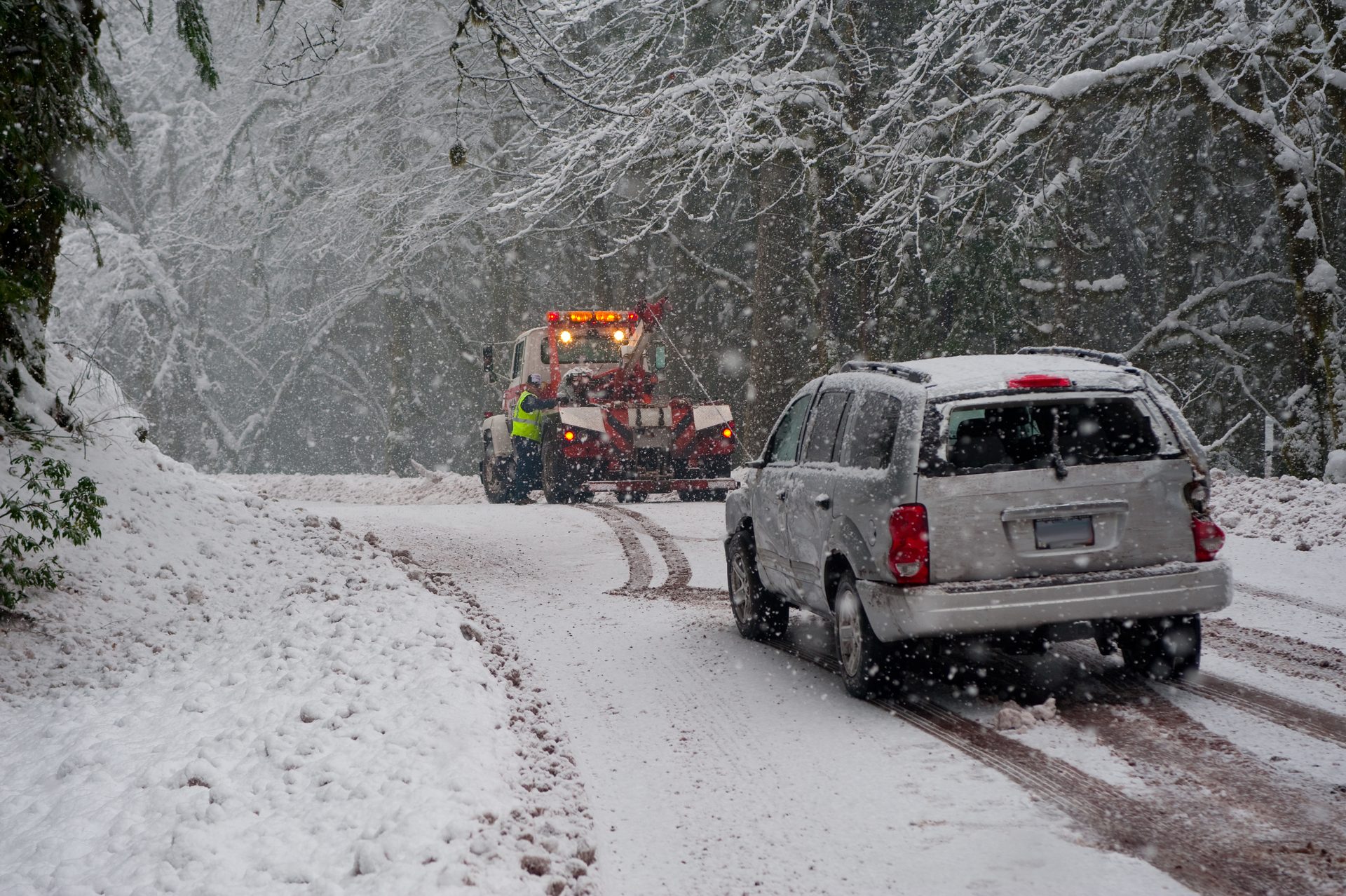
The road looks fine. Wet, maybe, but fine - and then the back end steps sideways before you’ve even touched the brake. That’s black ice, and the scary part isn’t the ice itself, it’s that you usually don’t see it coming. Here’s how to spot the conditions that produce it, how to react in the two or three seconds you get, and what to do if you slide off anyway.
What Black Ice Actually Is
Black ice is a thin, almost invisible layer of ice that forms when moisture on the road freezes without trapping air bubbles, so it takes on the colour of the asphalt underneath instead of looking white or frosty. It’s most common right around the freezing point - a degree or two either side of 0°C - when melted snow, light rain, or road spray refreezes as temperatures drop, often overnight or at dawn.
It doesn’t form evenly. It shows up in predictable spots:
- Bridges and overpasses - cold air circulates above and below the deck, so they freeze before the road on either side does.
- Shaded stretches - under an overpass, beside a tree line, or on the north side of a hill, where sun never hits the pavement long enough to melt overnight frost.
- Low spots and valleys - cold air pools there.
- Intersections and ramps - where braking and turning polish existing ice smooth and shiny.
If the temperature is hovering near freezing and the road looks slightly darker and wetter-looking than the rest of the highway, treat it as ice until proven otherwise.
Reading the Conditions Before You’re On It
You can’t always see black ice, but you can usually see the conditions that produce it:
- Check the temperature, not just the forecast icon. Black ice risk peaks in that narrow band around 0°C, especially after rain, fog, or a partial thaw the day before.
- Watch your side mirrors and other cars’ spray. If cars ahead suddenly stop kicking up road spray on a wet-looking stretch, that section may already be frozen.
- Trust the temperature gauge in your car more than your eyes. Many vehicles show outside temperature - if it reads 0°C to -4°C, assume bridges and shaded curves are icy even if the pavement looks merely damp.
- Slow down before bridges and shaded corners, not once you feel the car move. By the time you feel it, you’re already reacting instead of preventing.
Ontario 511, Alberta 511, Québec 511, and DriveBC (BC doesn’t use a 511 system) all post real-time road condition alerts before you head out - worth a quick check on a morning where frost is likely.
What to Do the Moment You Feel the Car Slide
This is the part that matters most, and it runs against instinct for a lot of drivers:
- Ease off the accelerator. Don’t brake, don’t lift suddenly - just gently stop adding power.
- Keep the wheel steady and look where you want to go. Steering into a slight fishtail correction is fine, but avoid sharp, fast corrections - they tend to send the car into a slide the other way.
- Don’t touch the brakes if you can help it. Braking on ice locks the wheels (or triggers hard, sudden ABS pulsing) and takes away what little steering control you have left.
- Let the car decelerate on its own as it rolls off the ice, then regain control gradually once you feel traction return.
The whole sequence takes a few seconds, and it works because you’re letting the car’s momentum carry it through the low-traction patch instead of fighting it. Sudden inputs - hard braking, sharp steering, aggressive throttle - are what turn a slide into a spin or a slide off the road.
If You Slide Off the Road
It happens to careful, experienced drivers too - ice doesn’t care how good you are. Once you’re off the pavement:
- Turn on your hazards immediately, even before you check on yourself. Visibility to other drivers matters most in the first seconds.
- Check yourself and passengers for injuries before assessing the vehicle.
- Stay in the car if you’re on or near a live traffic lane, seatbelt on, until it’s clearly safer to get out. If you’re safely off the roadway in a ditch or field, you can exit, but move well away from the travel lanes and any traffic.
- Don’t try to gun it out yourself if the car is in a ditch or high-centred. Spinning the wheels on ice or snow just digs you in deeper and risks transmission damage. This is a winch-out recovery job, not a DIY one.
- Call 911 if anyone’s hurt, the car is blocking traffic, or you’re not sure it’s safe to wait where you are. Otherwise, call for a tow or recovery - Ontario drivers can reach the OPP by dialing *677 from a cell; roadside members across Canada can reach CAA at *222.
Once you’re safely off to the side and have called for help, find a tow truck near you that offers winch-out or flatbed recovery for icy-road conditions.
What It Costs to Get Pulled Out
A simple ditch pull off an icy shoulder is usually billed as a winch-out rather than a standard tow, commonly $150–$350 depending on how deep the vehicle went in, the terrain, and whether it’s after hours or mid-storm - and storm nights are exactly when premiums are most likely to apply, since every operator in the region is getting the same calls. If the vehicle needs a full tow afterward - say, a wheel is damaged or it won’t drive out under its own power - that’s billed separately, typically $75–$150 for hook-up plus $3–$5/km. The towing cost calculator gives you a general sense before the operator arrives; confirm the actual price with them directly.
Reducing Your Risk Before You Even Leave
A few habits cut your odds of an ice encounter turning into a slide-off:
| Habit | Why it helps |
|---|---|
| Winter tires | Far more grip on cold pavement and ice than all-seasons, even ones rated for “all weather” |
| Slow down on bridges/shaded curves proactively | You react from a lower base speed if the car does move |
| Increase following distance | Ice affects braking distance more than steering - more space buys more reaction time |
| Check 511/DriveBC before dawn or late-evening drives | Frost and ice risk cluster at those hours |
| Keep a winter emergency kit in the trunk | Useful whether you slide off or just get stuck waiting for help |
Quebec requires winter tires by law from December 1 to March 15; BC requires winter tires or chains on many highways from October 1 to April 30. Elsewhere in Canada they’re strongly recommended rather than mandatory, and some insurers offer a discount for having them - worth asking about.
FAQ
Should I brake if I feel my car sliding on ice? Generally no. Braking on ice tends to lock the wheels or trigger hard ABS pulsing, which reduces steering control. Ease off the accelerator, keep the wheel steady, and let the car slow on its own.
Where does black ice form most often? Bridges, overpasses, shaded stretches near tree lines or hills, low-lying valleys, and intersections where braking polishes existing ice smooth - all spots that freeze before the surrounding road does.
Is it safe to try to drive my car out of a ditch myself after sliding off? Usually not, especially on ice or packed snow. Spinning the wheels can dig the vehicle in further and risks transmission or tire damage. If the car is high-centred or off the roadway, call for a winch-out.
What number do I call for roadside help in Canada? 911 for emergencies with injuries or blocked traffic. CAA members can reach roadside dispatch at *222 from a cell. Ontario drivers can reach the OPP at *677. Otherwise, contact a local towing operator directly.
Do winter tires actually prevent black ice slides? They significantly improve grip on cold and icy pavement compared to all-season tires, which reduces your risk, but no tire eliminates black ice risk entirely - slowing down in known ice-prone spots still matters.
Ice on the road is one of those things you can’t always see coming, but you can control how you react. If you do end up off the road, find a tow truck near you that handles winter recovery, and don’t try to muscle the car out yourself.