
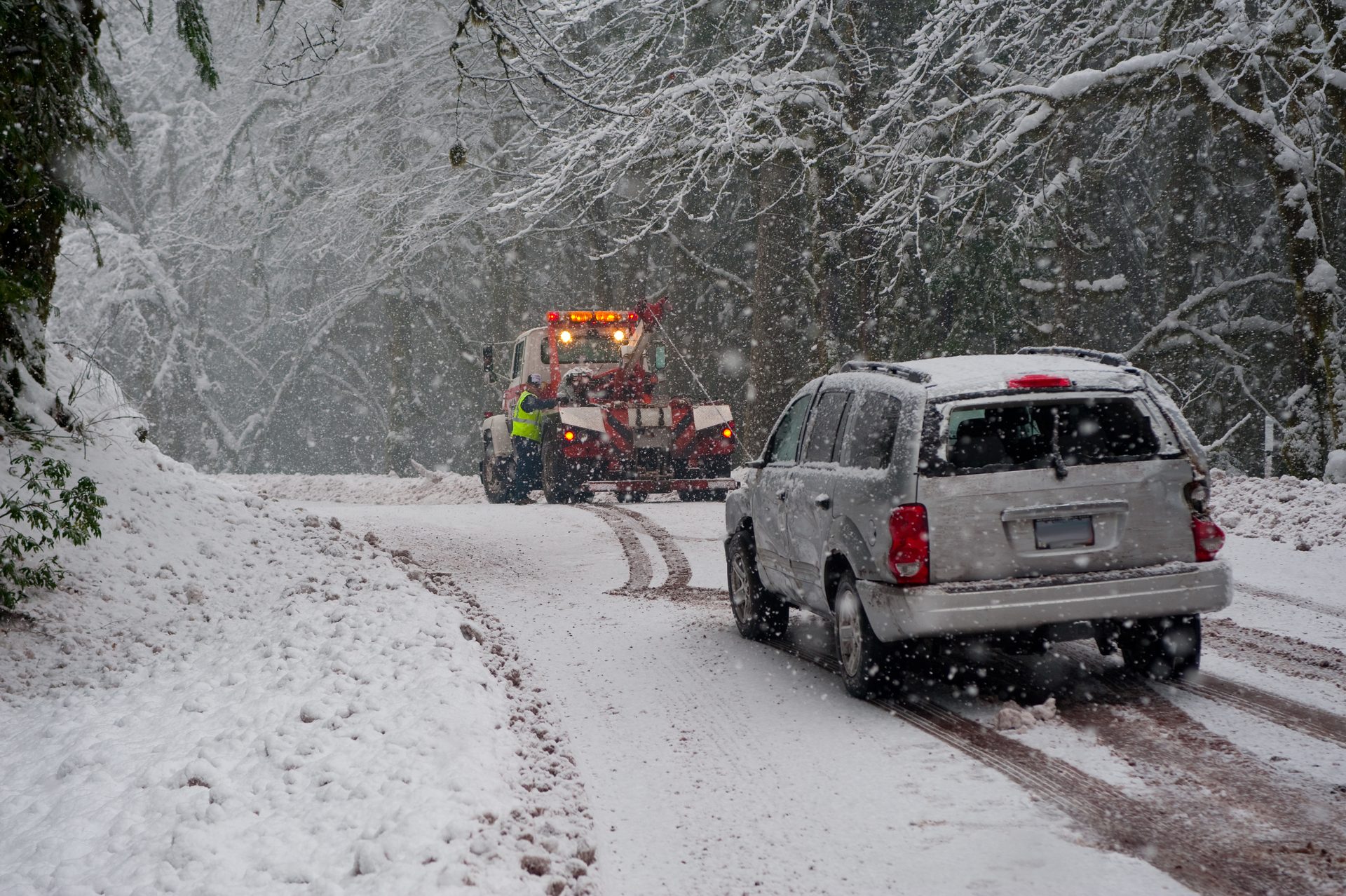
Somewhere between the first snowfall and the coldest week of February, you’ll either be glad you built a winter kit or wish you had. A breakdown in July means an inconvenient wait. The same breakdown in January, on a rural highway, with the sun going down, is a different situation entirely. Here’s what actually belongs in the trunk.
The Checklist
| Item | Why It Matters |
|---|---|
| Warm blanket or sleeping bag | Retains body heat if you’re stuck waiting with the engine off or intermittently running |
| Extra hat, mittens, and socks | Wet or thin gloves and socks lose insulating value fast in real cold |
| Booster/jumper cables or portable jump-starter | Cold weather is the single biggest cause of dead batteries |
| Small shovel | Digs out tires, clears snow from around the exhaust pipe, clears a path to walk |
| Sand, kitty litter, or traction mats | Provides grip if you get stuck in snow or on ice |
| Ice scraper and brush | Basic visibility - useless to have working lights you can’t see through frosted glass |
| Flashlight with extra batteries | Working under the hood or being visible to others after dark |
| Reflective triangles or flares | Makes a stopped vehicle visible to approaching traffic |
| Phone charger (car adapter or power bank) | Your phone is your lifeline for calling a tow - a dead phone in the cold is a real problem |
| Non-perishable snacks | Cold burns more calories than you’d think, and waits can run long in storms |
| Water | Bottled water can freeze in extreme cold - keep it in an insulated container if possible |
| Basic first aid kit | Covers minor injuries until help arrives |
| Tow strap or chain | Useful if another driver can pull you, or for your own use helping someone else |
| Warning light or road flare | Extra visibility on unlit rural roads |
| Candle and metal tin (optional) | A lit candle in a car with a cracked window can add a small but real amount of warmth in an extended wait |
| Basic tool kit | Covers minor fixes - a loose clamp, a battery terminal - without waiting on a truck |
Why Cold-Specific Advice Matters
A winter breakdown isn’t just an inconvenient version of a summer one - cold changes the risk profile entirely.
Stay With Your Vehicle
If you break down somewhere remote in winter, your car is your shelter - it holds heat far better than standing outside, and it’s what search-and-rescue or a tow operator will be looking for. Unless you can see help nearby or you’re in immediate danger, stay with the vehicle rather than setting out on foot through snow, especially if visibility is poor or you’re unsure of the distance to help.
Keep the Exhaust Clear
If you’re running the engine periodically for heat while you wait, check that the exhaust pipe isn’t blocked by snow before you start it, and check again every so often if snow is still falling or drifting. A blocked exhaust with the engine running can let carbon monoxide build up inside the cabin - this is a genuine, serious risk, not a minor caution. Crack a window slightly whenever the engine is running for extra safety.
Run the Engine in Short Bursts
Rather than idling continuously, run the engine for roughly ten minutes every half hour or so to conserve fuel and reduce exhaust risk, using the heat to warm the cabin and yourselves, then shutting off and relying on blankets in between. This stretches your fuel and battery further if a tow is taking a while to arrive during a storm.
Watch for Hypothermia Signs
Shivering, confusion, slurred speech, and drowsiness are early hypothermia warning signs, especially in kids and older passengers. If you notice these, prioritize warmth - extra layers, huddling together, engine heat - over waiting it out passively.
Regional Notes
Canada’s winter driving conditions vary enormously by region, and your kit should reflect where you actually drive.
Prairie Provinces (Alberta, Saskatchewan, Manitoba)
Long, exposed highway stretches with real distances between towns mean waits can be longer if you break down between communities. Extreme cold snaps are common and temperatures can drop fast after sunset. Prioritize extra blankets, a full tank of gas (never let it run low in winter), and a fully charged phone before any highway trip. Alberta’s Slow Down Move Over law requires drivers to slow to 60 km/h when passing a stopped tow truck with flashing lights - worth knowing if you’re the one waiting roadside.
Coastal BC
Milder temperatures overall, but wet snow, freezing rain, and mountain passes (Coquihalla, Sea-to-Sky) bring their own risk - sudden elevation-related weather changes are common even on short trips. BC requires winter tires or chains on many designated highways from October 1 to April 30; check DriveBC before mountain travel, since BC doesn’t have a 511 system. A kit with chains (if you’re headed into the mountains) and extra layers for sudden weather shifts matters more here than extreme-cold gear.
Ontario and Quebec
Lake-effect snow squalls can drop visibility to near zero in minutes, particularly around the Great Lakes and the St. Lawrence corridor. Keep your kit accessible (not buried under other cargo) since squalls can strand you with little warning. Quebec mandates winter tires December 1 to March 15. In Ontario, check 511 for conditions before a trip, and know that *OPP (*677) reaches provincial police from a cell if you need help on a 400-series highway.
Atlantic Canada
Coastal storms can bring heavy, wet snow and high winds that make visibility and traction worse than the temperature alone would suggest. Ferry-dependent routes add another wrinkle - a breakdown near a terminal during a weather delay can mean a longer wait than usual. A solid kit plus a habit of checking local marine and weather forecasts before winter travel goes a long way here.
Building the Kit Without Overspending
You don’t need to buy a pre-made kit - most items are things you likely already own or can pick up cheaply: an old blanket, a bag of sand from the garage, a basic flashlight. The two items worth spending a bit more on are a reliable portable jump-starter (cold weather kills batteries, and a dead battery stranded in a driveway or lot is one of the most common winter calls) and a genuinely warm blanket or sleeping bag rated for the cold you actually see in your region.
If you do end up stuck despite the kit - high-centred in snow or genuinely unable to get traction - that’s a winch-out recovery situation, not a dig-yourself-out one. And if the battery’s the issue, a battery boost is usually a quick, affordable call rather than a full tow.
FAQ
What’s the single most important item in a winter car kit? A warm blanket and a way to charge your phone are the two most important - everything else supports getting help or getting unstuck, but staying warm and able to communicate covers you while you wait.
Is it safe to run my engine while stuck in snow? Yes, in short bursts, but only after confirming the exhaust pipe is clear of snow, and with a window cracked slightly. A blocked exhaust with the engine running risks carbon monoxide building up in the cabin.
Should I stay with my car if I break down in a remote area during winter? Generally yes. Your vehicle is more visible to rescuers and holds heat better than standing outside. Only leave it if you can see help nearby or staying poses a greater danger.
Do I need tire chains in my kit? Only if you’re regularly driving mountain routes or BC highways with signed chain requirements. Most drivers in flatter regions are better served by good winter tires and traction aids like sand or a traction mat instead.
How much does a battery boost or winch-out cost if my kit doesn’t solve it? A boost typically runs $45–$120 flat, while a simple winch-out or ditch pull commonly runs $150–$350, depending on conditions and how remote you are. Try the towing cost calculator for an estimate, or find a tow truck near you if you need help now.