
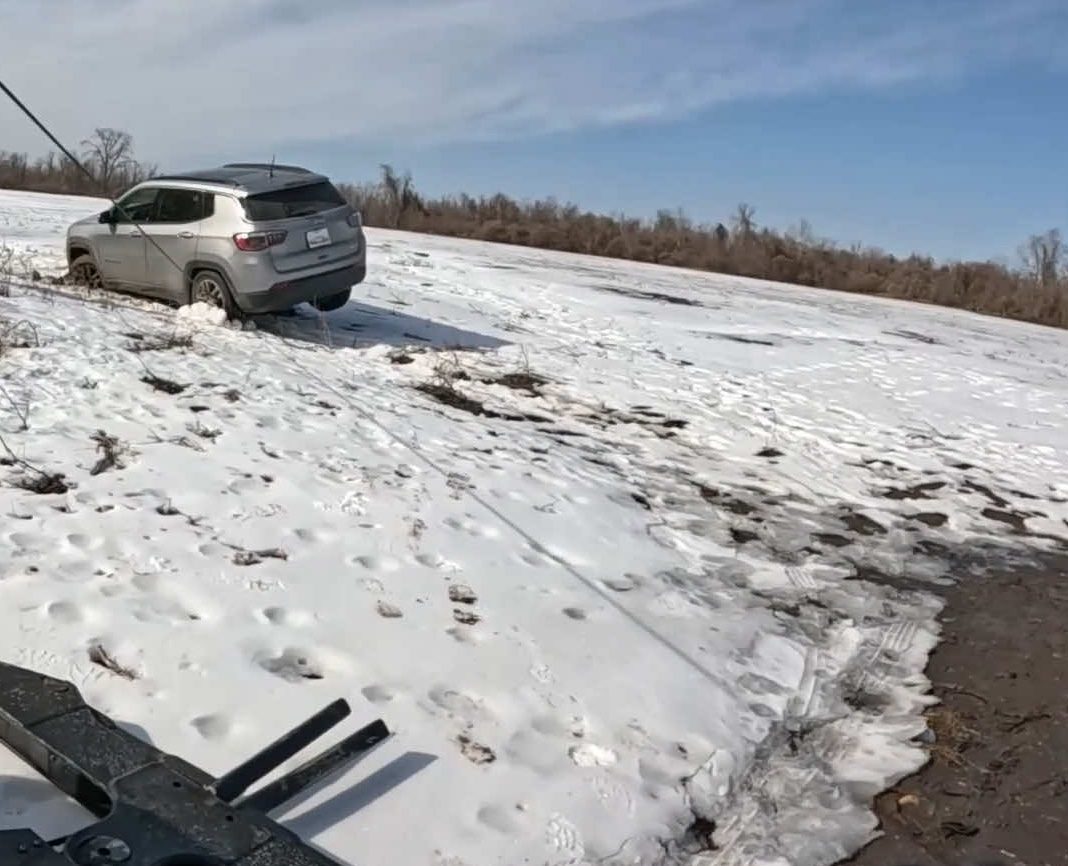
You hit the gas, the tires spin, and the car doesn’t budge an inch - just that unmistakable whine of rubber on packed snow going nowhere. Before you keep flooring it and dig yourself in deeper, here’s what actually works, and how to tell when it’s no longer a DIY job.
First, Assess How Stuck You Actually Are
Get out and look at all four wheels. If the tires are spinning on top of snow with the car body clear of the ground, you’ve likely got a good shot at getting out yourself. If the vehicle’s frame or undercarriage is resting on packed snow or ice - often called being “high-centred” - spinning the wheels won’t help at all, no matter what you try next. That’s a different problem, and it points straight to needing a tow.
The Rocking Technique
This is the classic method, and it works more often than people expect:
- Straighten your wheels.
- Shift into drive (or first gear manual), give it light, steady throttle - not a stomp - and let the car creep forward as far as it’ll go.
- As it stalls out, shift to reverse and ease backward the same way.
- Repeat, building a small amount of momentum each cycle, packing a track in the snow under the tires.
- Once you feel the car gaining a bit more distance each rock, keep the momentum going forward and steer out of the rut smoothly - no sudden turns.
Keep the throttle gentle throughout. Aggressive gas pedal use is the single biggest mistake here - it just melts the snow under the tire into slick ice, which makes the problem worse, not better.
Traction Aids That Actually Help
If rocking alone isn’t cutting it, add traction under the drive wheels:
| Aid | How to use it |
|---|---|
| Sand or kitty litter | Pour a line under and just ahead of each drive tire |
| Traction mats/boards | Wedge under the tire in the direction you want to move |
| Floor mats (in a pinch) | Rubber side up, under the drive tires |
| Shovel | Clear packed snow from around and under the tires and undercarriage first |
| Winter tires | Not an in-the-moment fix, but proper winter tires reduce how often you get stuck in the first place |
Combine a bit of digging with a traction aid and gentle rocking, and most everyday snow-stuck situations resolve in a few minutes.
What Spinning Tires Ruins
Keep spinning the wheels hard and you’re not just wasting time - you can genuinely damage things:
- Tire wear: hard spinning against packed snow or ice grinds tread and can overheat the tire.
- Transmission strain: repeated hard shifts between drive and reverse under load put real stress on the transmission, especially in older or automatic vehicles.
- Digging in deeper: melted-then-refrozen snow under a spinning tire turns into a polished ice bowl that’s harder to escape than the original snow.
- Clutch and CV joint wear on manuals and AWD vehicles from aggressive engagement.
If you’ve been rocking gently for a few minutes with no progress at all, stop. Continuing to spin just makes the eventual tow-out harder and adds wear you didn’t need.
When It’s a Winch-Out Job
Some situations aren’t DIY-fixable, and that’s fine - it happens to careful drivers too. Call for a winch-out if:
- The car is high-centred on packed snow or a snowbank and the wheels have no contact with solid ground.
- You’re in a ditch or off the shoulder, even partially.
- The vehicle sank into deep, unplowed snow and none of your traction aids are making contact with anything solid.
- You’ve tried rocking and traction aids for several minutes with zero progress and don’t want to risk more transmission or tire damage.
- It’s a slope, and pulling forward or backward risks sliding further off the road.
A winch-out uses a cable and winch mounted on a tow truck to pull the vehicle back onto solid ground, sometimes without a full tow afterward if the car’s undamaged and drivable once freed. This is routine, common winter work for towing operators - see winch-out recovery for what to expect.
What It Costs
Winching is typically billed separately from a standard tow. A simple ditch pull commonly runs $150–$350, depending on how deep the vehicle is stuck, the terrain, and whether it’s after hours or during a storm - expect a premium in bad weather, since that’s exactly when everyone else is calling too. Use the towing cost calculator to get a general sense before you call, and confirm the price with the operator before they hook up.
While You Wait
If you’ve called for a winch-out, stay warm and visible. Keep hazards on, and if you’re on a road shoulder rather than a driveway, move to a safe spot away from traffic while you wait - the same rules that apply to any roadside breakdown apply here. If it’s genuinely cold, run the engine periodically for heat but make sure the exhaust pipe is clear of snow first - a blocked exhaust with the engine running is a real carbon monoxide risk.
Preventing It Next Time
A few habits go a long way toward not getting stuck again. Keep your driveway and the path to the street shovelled before a storm compacts the snow into ice under your tires. If you park on the street during snow season, avoid parking directly in a drift zone created by wind or plows. And if your vehicle struggles in snow every winter, it may be worth a quick check of your tires - a worn all-season tire with shallow tread offers far less grip than a proper winter tire, and that gap shows up most in exactly this kind of situation. A dead battery can also compound a stuck-in-snow situation once you’re spinning and draining power trying to get out; if the car won’t even turn over afterward, that’s a separate call for a battery boost rather than a winch-out.
FAQ
Should I keep spinning my tires if the car won’t move? No. If gentle rocking for a few minutes isn’t producing progress, stop - continued hard spinning wears tires, strains the transmission, and often digs you in deeper by melting and refreezing snow into ice under the tire.
What household items work as traction aids? Sand, kitty litter, and even rubber floor mats placed under the drive tires can provide enough grip to get moving, especially combined with some digging around the tire first.
How do I know if I need a winch-out instead of trying to drive out? If the car’s frame or undercarriage is resting on snow (high-centred) so the wheels aren’t fully touching solid ground, or you’re in a ditch, spinning the wheels won’t help - that’s a winch-out job.
Is winching covered by roadside assistance or CAA? It depends on your specific plan and tier - winching is usually billed as an extra service beyond a standard tow, so check your membership or insurance roadside add-on for what’s included before assuming it’s covered.
Does having winter tires prevent getting stuck? Winter tires significantly improve traction in snow compared to all-seasons, which reduces how often you get stuck, but they don’t guarantee it in deep or drifted snow. In Quebec, winter tires are mandatory Dec 1–Mar 15, and BC requires winter tires or chains on many highways Oct 1–Apr 30.
If you’re stuck and it’s past the point of shovels and floor mats, find a tow truck near you that offers winch-out recovery.