
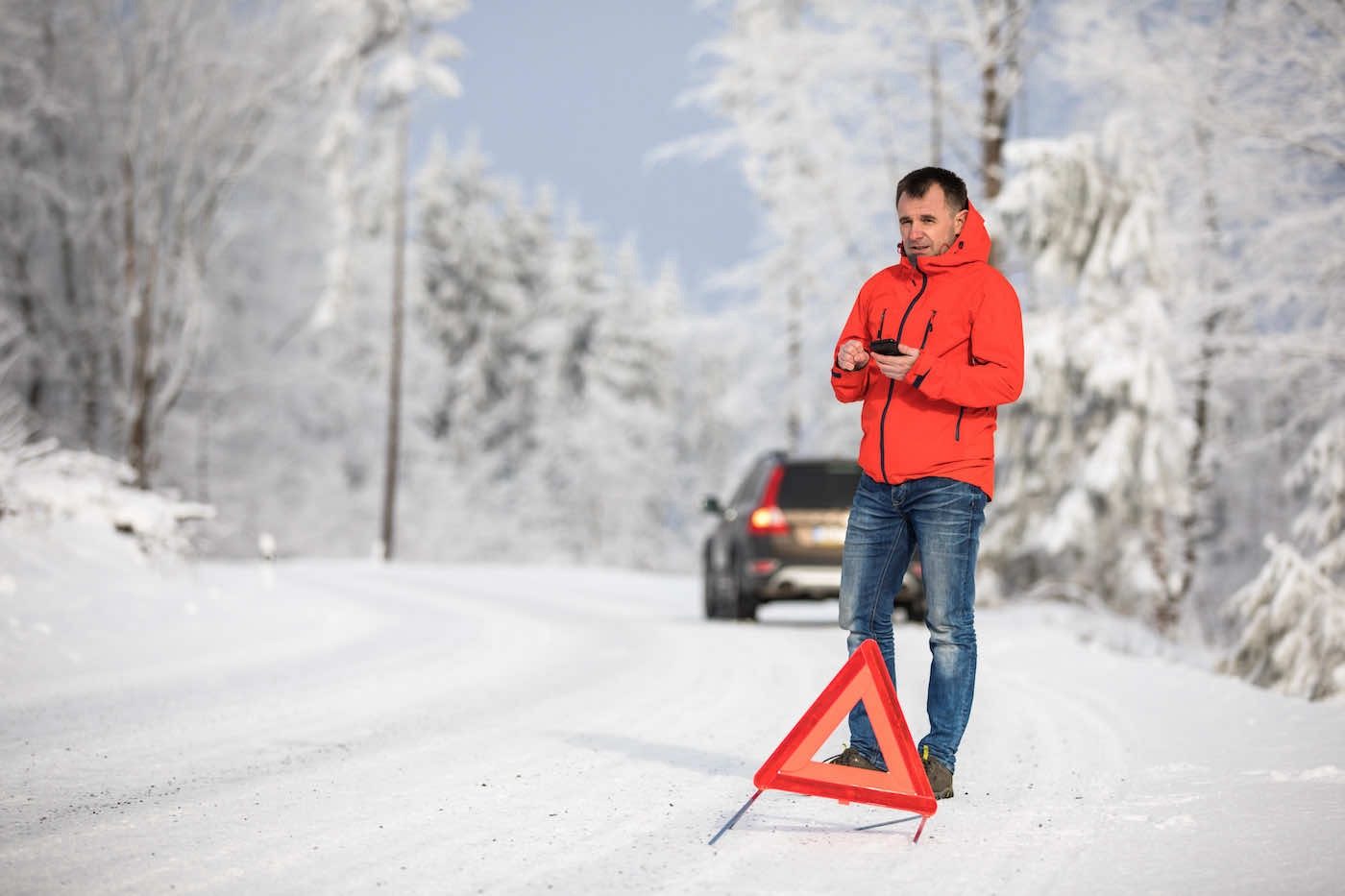
You hit it before you even see it - a jolt through the wheel, a bang from underneath, and now the car pulls slightly to one side. Pothole season isn’t a myth; late winter and early spring genuinely produce the worst roads of the year in most of Canada. Here’s why it happens, what it actually damages, and how the “who pays” question generally works.
Why Potholes Explode in Spring
Potholes form through a repeating freeze-thaw cycle. Water seeps into small cracks in the pavement, then freezes and expands, widening the crack. As temperatures bounce above and below freezing - which happens constantly in a Canadian spring - that cycle repeats dozens of times, and traffic weight eventually breaks the weakened pavement, leaving a hole. Because thaw cycles are most frequent and dramatic in late winter and early spring, that’s when new potholes appear fastest and existing ones get worse, particularly on roads that already had cracked or aging pavement going into winter.
Certain spots are especially prone: intersections and stop-sign approaches (repeated braking wears pavement faster), lane edges where water pools, and any road that just had a hard freeze-thaw swing overnight.
What Pothole Damage Actually Looks Like
A hard hit can cause damage that isn’t always obvious right away:
- Tire damage - sidewall bulges, cuts, or a sudden flat. A bulge is dangerous even if the tire hasn’t lost air yet, since it signals internal cord damage that can fail without warning later.
- Bent or cracked wheels/rims - especially on lower-profile tires with less cushioning sidewall.
- Suspension damage - bent control arms, damaged struts or shocks, or thrown-off wheel alignment. A car that now pulls to one side or feels different over bumps after a pothole hit is showing you this.
- Exhaust system damage - a low-hanging exhaust component can get struck directly on a deep enough hole.
- Steering issues - alignment problems from a hard hit often show up as uneven tire wear over the following weeks, not just immediately.
What to Do Right After You Hit One
- If the car still drives normally, get it to a safe spot and check the tire visually - look for bulges, cuts, or obvious deformation in the wheel.
- If a tire is losing air or the wheel looks bent, don’t keep driving on it. A tire that fails at speed, or a bent wheel that damages the tire further, is a bigger problem than a slow, careful stop.
- If the car pulls hard to one side, makes a new noise, or the steering feels loose after the hit, treat it as a possible suspension issue and get it inspected before driving much further.
- Photograph the pothole and your damage if you plan to pursue a claim - location, depth, and the damage itself, ideally before the pothole gets patched or filled in.
- Note the exact location, date, and time. Municipal claims typically require you to identify precisely where the pothole was.
If the vehicle isn’t safe to drive - a flat that ruined the wheel, or steering that’s clearly compromised - that’s a tow, not a slow drive to a shop. A local tow commonly runs $100–$250 total depending on distance; use the towing cost calculator for a general estimate, and find a tow truck near you if you need one dispatched right away. A flatbed is generally the safer choice for a car with a bent wheel or damaged suspension, since it avoids putting any further load on the compromised component - see flatbed towing for how that works.
Who Pays: General Guidance
This is genuinely one of the more variable areas in Canadian driving, because municipal claim processes differ by city and province, and outcomes aren’t guaranteed. Here’s the general shape of how it works, without promising a specific result:
- Municipalities are generally responsible for maintaining roads they own, and many have a claims process for pothole damage - but most also have a standard defence: if they can show they had a reasonable road maintenance and inspection program in place, and didn’t have prior notice of that specific pothole, they may deny the claim.
- “Prior notice” matters a lot. If the pothole had already been reported (by you or anyone else) before your damage occurred, that generally strengthens a claim. If it appeared suddenly overnight from a thaw cycle, municipalities often argue they couldn’t reasonably have caught it in time.
- Claims processes vary by municipality - some have online forms, some require a formal written notice within a specific window (sometimes quite short), and requirements differ across provinces and cities. Check your specific municipality’s website for their process rather than assuming a generic approach applies.
- Your own insurance is often the more reliable path. Pothole damage is typically covered under collision coverage on your policy (subject to your deductible), and it doesn’t require proving municipal fault the way a direct municipal claim does. Compare your deductible against the repair cost before deciding which route to pursue - a claim under your deductible amount usually isn’t worth filing either way.
- A claim against the municipality, even if approved, can take time. If you need the car fixed now, your own insurance claim moves faster in most cases.
| Path | Pros | Cons |
|---|---|---|
| Municipal claim | No deductible, no impact on your insurance history | Often denied if no prior notice; process varies by city; can be slow |
| Own insurance (collision) | Faster, more predictable process | Subject to your deductible; may affect renewal depending on your insurer’s rules |
| Pay out of pocket | Simplest for minor damage | Only sensible for damage below or near your deductible |
Given how much this varies by city and province, treat the above as general guidance and check your specific municipality’s pothole claims process directly - a quick search for “[your city] pothole damage claim” usually turns up the current form and requirements. If you go the insurance route, our guide on how to file a car insurance claim in Canada covers the general process.
Preventing Pothole Damage
You can’t avoid every pothole, especially ones hidden under puddled meltwater, but a few habits reduce your odds:
- Slow down through areas with known rough pavement, especially during active thaw weeks.
- Keep more following distance in spring - it gives you time to see and avoid a hole the car ahead swerves around.
- Don’t swerve hard or suddenly to avoid a pothole if it risks moving into another lane; a controlled hit is often safer than a sudden lane change.
- Keep tires properly inflated - underinflated tires are more vulnerable to pinch damage (sidewall bulges) from a hard hit.
If a hard hit does leave you with a flat, a roadside tire change can often get you moving again without a full tow, provided the wheel itself isn’t bent.
FAQ
Why are potholes worse in spring than winter? Repeated freeze-thaw cycles - water seeping into cracks, freezing, expanding, then thawing again - happen most frequently in late winter and early spring, breaking down weakened pavement fastest during that window.
Can I claim pothole damage from my municipality? Sometimes, but processes and outcomes vary widely by city and province, and municipalities often defend claims by showing they had a reasonable maintenance program and no prior notice of that specific pothole. Check your municipality’s specific claims process.
Is pothole damage covered by car insurance? Often yes, under collision coverage, subject to your deductible. This is frequently a faster and more predictable path than a municipal claim, though it does apply your deductible.
What if my wheel is damaged and the tire is losing air? Don’t keep driving on it if you can avoid it - a compromised tire or bent wheel can fail further at speed. Get to a safe stop and call for a tow if the vehicle isn’t safe to continue on.
How do I know if pothole damage is serious enough to need a tow versus just a shop visit? If the car pulls hard to one side, the steering feels loose, a tire is losing air, or you can see an obviously bent wheel, treat it as unsafe to drive and call for a tow rather than risk further damage or a blowout en route.
If a pothole leaves your car undrivable, find a tow truck near you rather than risk the drive to a shop on a compromised tire or wheel.