
The first hard frost is a better deadline than the first snowstorm. Once winter actually arrives, every shop is booked, every parts counter is busy, and you’re doing this checklist in a parking lot at -15°C instead of a warm driveway on a Saturday. Here’s what actually matters, in the order it’s worth tackling.
1. Test the Battery
Cold weather doesn’t kill a healthy battery - it exposes one that was already weak. Batteries lose roughly a third of their cranking power around -18°C, and roughly half by around -30°C, so a battery that’s been marginal all fall will likely fail on the first genuinely cold morning. Most shops and parts stores test batteries for free. If yours is 3+ years old or was slow to start recently, get it tested now. See why car batteries die in Canadian winters for more on this.
2. Switch to Winter Tires
This is the single biggest safety upgrade you can make. Winter tires use a rubber compound that stays flexible in the cold and a tread pattern designed to bite into snow and ice - all-season tires simply harden and lose grip below about 7°C, regardless of tread depth. Quebec requires winter tires by law from December 1 to March 15. BC requires winter tires or chains on many highways from October 1 to April 30. Elsewhere in Canada they’re recommended rather than mandatory, and some insurers offer a discount for having them.
3. Check Tread Depth and Tire Pressure
Cold air shrinks tire pressure - expect it to drop as temperatures fall, so check it monthly through winter, not just once in November. Low tread depth on any tire, winter or all-season, reduces grip in snow and slush regardless of compound.
4. Top Up Antifreeze/Coolant
Coolant needs to be mixed to a ratio that won’t freeze at your region’s expected low temperatures. A weak mix can freeze in the block on a severe cold snap, which is a serious and expensive problem. If you’re not sure of your last coolant service, have it checked.
5. Switch to Winter Washer Fluid
Summer washer fluid can freeze in the reservoir and lines in real cold, leaving you with a frozen, useless system right when road salt spray makes visibility worst. Winter-rated fluid (rated to at least -40°C in most of Canada) is cheap insurance.
6. Check Wiper Blades
Worn blades smear rather than clear, and winter grime is worse than summer rain. Consider winter-specific blades, which have a rubber boot that keeps ice and snow from jamming the mechanism.
7. Inspect Belts and Hoses
Cold makes rubber brittle. A belt or hose that was fine in summer heat can crack or fail in a January cold snap. A quick visual check (or having a shop do it during another service) catches this before it strands you.
8. Have a Block Heater Installed (or Use the One You Have)
If your climate regularly sees deep cold, a block heater is genuinely one of the highest-value upgrades available. Plugging it in a few hours before you plan to drive warms the engine block, easing strain on both the oil and the battery at start-up.
9. Check the Heating and Defrost System
Test your heater and defroster before you need them in an emergency. A weak defroster in freezing rain or after a storm is a real visibility hazard, not just a comfort issue.
10. Build (or Restock) a Winter Emergency Kit
At minimum: a warm blanket, extra layers, gloves, a flashlight, a small shovel, sand or kitty litter for traction, jumper cables or a portable jump-starter, a phone charger, and some emergency food and water. If you get stuck or break down somewhere without quick help, this kit is the difference between an uncomfortable wait and a genuinely dangerous one.
11. Know Your Roadside Options Before You Need Them
Figure out now - not mid-storm - what roadside coverage you actually have. CAA membership, a credit card’s bundled roadside benefit, an insurer’s roadside add-on, or your vehicle’s manufacturer warranty program may already cover boosts, lockouts, and tows. Check the terms before winter, because distance limits and call caps vary by tier and provider.
| Coverage source | What to check |
|---|---|
| CAA membership | Tier (Basic/Plus/Premier), tow distance limit, calls/year |
| Credit card roadside benefit | Certificate of insurance - often shorter distances, limited calls |
| Insurer roadside add-on | Typically $20–$60/yr, but confirm if calls affect claims history |
| Manufacturer warranty | Often included 3–5 years from new - check the warranty booklet |
12. Save Key Numbers in Your Phone
Program in your roadside provider’s number, a local towing operator, and know the regional shortcuts: CAA roadside from a cell is *222 across Canada, Ontario drivers can reach the OPP at *677, and Quebec drivers can reach the SQ at *4141. 911 is always for emergencies with injuries or blocked traffic. Check your province’s 511 service (Ontario, Alberta, Quebec) or DriveBC (BC has no 511) before driving in questionable conditions.
Quick Reference Table
| Item | Why it matters | Frequency |
|---|---|---|
| Battery test | Cold cuts cranking power by a third to a half | Once before winter, retest if 3+ years old |
| Winter tires | Real grip below ~7°C; mandatory in QC, required BC highways | Swap by late fall |
| Tire pressure | Drops with cold air | Check monthly |
| Coolant mix | Prevents freezing in the block | Once before winter |
| Washer fluid | Summer fluid freezes | Switch before first frost |
| Emergency kit | Safety if stranded | Restock each fall |
If Something Still Goes Wrong
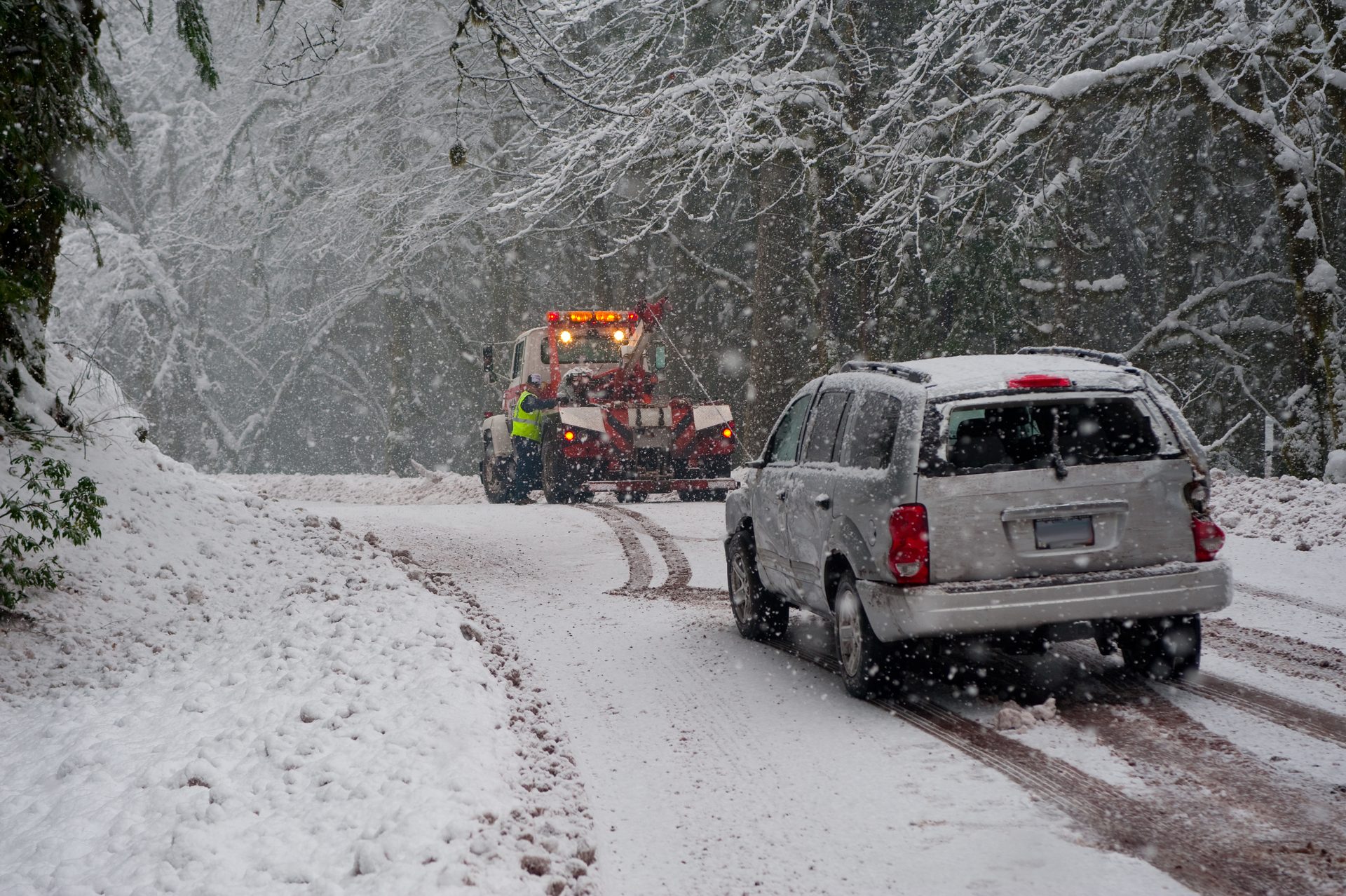
Even a well-prepped car can have a bad morning - a battery that was fine in the fall can still fade after a brutal cold snap, and no checklist prevents every flat tire or lockout. If you do get stranded, find a tow truck or roadside operator near you rather than risk driving on a problem you’re not sure about. A battery boost is typically $45–$120, and a local tow commonly runs $100–$250 total depending on distance.
FAQ
When should I switch to winter tires in Canada? Once temperatures are consistently below about 7°C, generally by late October to mid-November depending on your region. Quebec mandates it by December 1; BC requires winter tires or chains on many highways from October 1.
How often should I check tire pressure in winter? At least monthly - cold air causes tire pressure to drop, and a tire that was properly inflated in fall can be noticeably low by a hard freeze.
Do I really need a block heater? If your area regularly sees extended deep cold (well below -15°C), yes - it meaningfully eases starting strain on both the engine and battery. In milder winter regions it’s less critical but still helpful.
What should be in a winter car emergency kit? A blanket, warm layers, gloves, flashlight, small shovel, sand or kitty litter, jumper cables or a jump-starter pack, phone charger, and some food and water - enough to stay safe and warm for a few hours if you’re stuck waiting for help.
What’s the single most important thing on this checklist? Battery and tires cover the two failure points that cause the most winter breakdowns and slide-offs. If you only have time for two things before the first snow, do those.
Getting through this list before the first real cold snap means fewer surprises later - and if one still happens, find a tow truck near you that’s ready for winter conditions.