
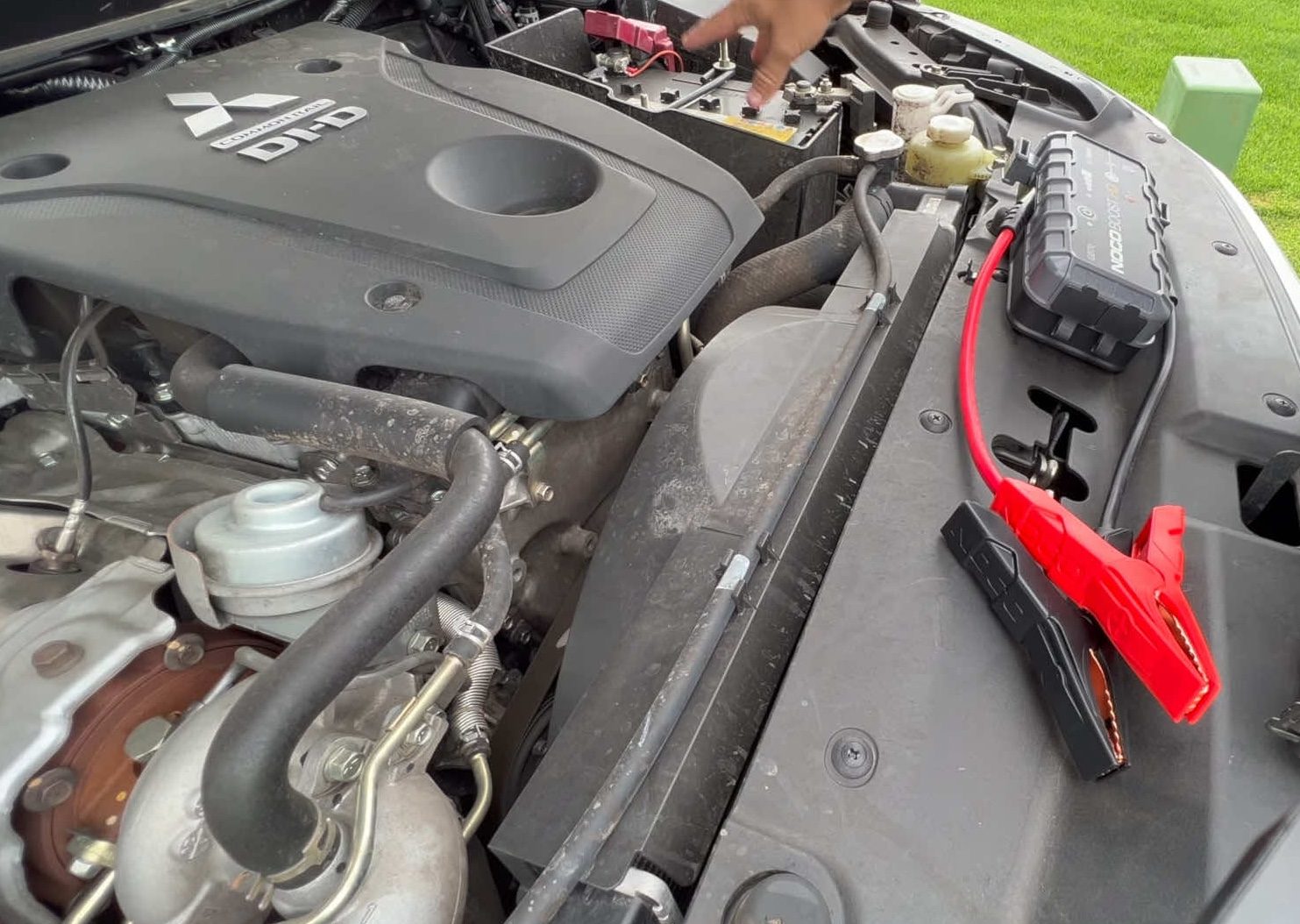
Most breakdowns don’t come out of nowhere. There’s usually a noise, a light, or a feeling that something’s off in the days or weeks before the car actually strands you - the trouble is most of us drive right past those signs until the morning it doesn’t start at all. Here are seven of the most common ones, and what each usually means.
1. Slow or Struggling Engine Cranking
If the engine turns over noticeably slower than usual before catching, or takes a couple of extra seconds longer than it used to, that’s very often a battery losing capacity - especially if it’s been getting worse over the last few starts rather than a one-off. Cold weather makes this worse, since batteries lose roughly a third of their cranking power around -18°C. Don’t wait for a morning it doesn’t start at all; get it tested, and know that a mobile battery boost is a quick fix if it does die on you. See our guide on why car batteries die in Canadian winters for more.
2. Dashboard Warning Lights
The check engine light, battery light, or temperature warning aren’t decorative - they’re the car telling you something specific:
| Light | Likely meaning | Urgency |
|---|---|---|
| Battery/charging light | Alternator or battery issue | Get checked soon - can lead to a stall |
| Temperature warning | Engine overheating | Pull over immediately, don’t keep driving |
| Check engine (steady) | Various - often emissions or sensor related | Get diagnosed soon |
| Check engine (flashing) | Serious misfire - can damage the catalytic converter | Stop driving, get it towed |
| Oil pressure light | Low oil pressure - real engine damage risk | Stop driving immediately |
A flashing check engine light or an oil pressure light are the two on this list that mean stop now, not “get to it this week.”
3. New or Changing Noises
Cars develop a baseline of normal sound, and a genuinely new noise is worth paying attention to:
- Grinding when braking - often worn brake pads down to the metal backing, which also damages rotors the longer it continues.
- Squealing belt, especially on startup - a belt losing tension or wearing out.
- Knocking or ticking from the engine - can range from minor to serious; worth a diagnosis rather than ignoring.
- Clunking over bumps - often a suspension component wearing out.
- A new grinding or humming from a wheel - can indicate a failing wheel bearing, which can eventually seize.
None of these mean “tow it right now” on their own, but a new noise that’s getting louder or more frequent over a few days is exactly the pattern that precedes a roadside breakdown.
4. Fluid Leaks Under the Car
A puddle where you park is worth identifying, not ignoring:
- Coolant (usually green, orange, or pink, sweet-smelling) - a leak here risks overheating, which can badly damage the engine if you keep driving on it.
- Oil (dark brown/black, slick) - low oil pressure from a leak is a serious engine damage risk.
- Brake fluid (light yellow to brown, slightly oily) - a genuine safety issue; don’t drive on a suspected brake fluid leak.
- Transmission fluid (red to brown, distinct smell) - worth a prompt check, especially if shifting also feels off.
If you’re not sure which fluid it is, a phone photo of the puddle and a quick shop call can often identify it without guessing.
5. Vibration or Pulling While Driving
A car that pulls to one side under normal driving, or vibrates through the steering wheel or seat at certain speeds, is usually telling you about tires, alignment, or a suspension issue:
- Vibration at highway speed often points to a tire balance or wheel issue.
- Pulling to one side can be alignment, uneven tire pressure, or a brake dragging slightly on one wheel.
- Vibration specifically when braking often means warped rotors.
These rarely cause a sudden breakdown on their own, but a tire issue in particular can progress to a blowout if ignored, and that’s a genuinely dangerous roadside situation at highway speed.
6. Exhaust Smoke or Unusual Smell
- Blue-ish smoke - often oil burning, a sign of engine wear.
- White smoke that doesn’t clear after startup - can indicate coolant getting into the engine, a more serious issue.
- Black smoke - often a fuel mixture problem.
- A sweet smell inside the cabin - can indicate a coolant leak, sometimes into the heater core; worth checking before it leads to overheating.
- A burning smell of any kind - worth investigating immediately rather than continuing to drive.
7. Electrical Glitches
Flickering dashboard lights, power windows working slower than usual, or accessories cutting out intermittently often point to a charging system issue - a weak battery or a failing alternator not keeping up with demand. This one’s easy to write off as “the car being weird” until the day it doesn’t start at all. If you notice more than one electrical symptom together, that’s worth a battery and alternator check before it strands you.
What to Do When You Spot One of These
Most of these signs give you a window - days or weeks - before they become an actual breakdown, which is valuable time to get ahead of it:
- If it’s a light, noise, or smell that’s clearly urgent (flashing check engine, oil pressure light, overheating, brake fluid leak, burning smell) - stop driving and get it looked at or towed rather than pushing on.
- If it’s a slower-developing sign (slow cranking, a new but stable noise, minor vibration) - book a diagnostic appointment soon rather than waiting for it to worsen.
- If it does progress into a full breakdown before you get to it, get the car safely off the road, hazards on, and find a tow truck near you rather than attempt to diagnose or drive through it.
A local tow commonly runs $100–$250 total, and catching a problem before it strands you on a highway shoulder is almost always cheaper and safer than dealing with it after.
FAQ
What’s the most common early warning sign of a breakdown? Slow engine cranking and dashboard warning lights are the two most common early indicators - both often point to a weakening battery or charging system before it fails completely.
Is it safe to keep driving with the check engine light on? A steady check engine light usually allows driving to a shop soon, but a flashing check engine light means stop driving and get the car towed - it typically indicates a serious misfire that can damage the catalytic converter.
What should I do if I see fluid under my car? Try to identify the colour and location before dismissing it. Coolant, oil, and brake fluid leaks are all worth addressing promptly, and a brake fluid leak specifically is a safety issue you shouldn’t drive on.
Can a vibration while driving actually cause a breakdown? Not usually on its own, but an ignored tire or wheel issue causing vibration can progress to a blowout or wheel bearing failure, both of which can strand you.
When should I stop driving immediately versus book an appointment? Stop immediately for a flashing check engine light, oil pressure light, overheating warning, brake fluid leak, or any burning smell. Book an appointment soon for slower-developing signs like a new stable noise or slightly slow cranking.
Catching these signs early is almost always cheaper than the tow that follows ignoring them - but if you do end up stranded, find a tow truck near you rather than risk driving further on a compromised car.